Exercise can support both physical and mental well-being, but it does not need to be centered on weight loss or changing how your body looks.
A more useful question is often: What do I want my body to be able to do?
For some people, that means getting stronger. For others, it means having more energy, improving endurance, moving with less stiffness or simply feeling more confident being active.
Exercise for Weight Management
Exercise can contribute to weight management because it increases energy expenditure and can help preserve or build muscle.
But body weight is influenced by many things, including food intake, sleep, stress, medications, hormones, age and genetics.
Exercise is valuable even when the scale does not change.
Rather than using movement only to “burn calories,” it can be more sustainable to choose activities you enjoy and can repeat consistently.
Strength Training and Body Composition
What people often call “toning” usually means building some muscle while reducing body fat.
Strength training is one of the best tools for this because it helps maintain and develop muscle.
Useful exercises include:
- squats
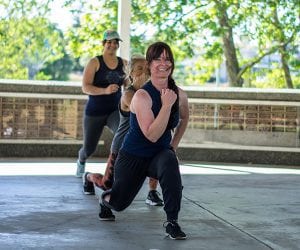
- lunges
- rows
- presses
- deadlift variations
- step-ups
- push-ups
- core exercises
You do not need to train every day.
For many people, two or three strength sessions per week can be a good starting point.
You can read 10 Benefits of Strength Training for more.
Cardio Still Matters
Walking, cycling, swimming, hiking, dancing and other forms of cardiovascular exercise can improve endurance and support heart health.
Cardio and strength training are not competitors.
A balanced routine can include both.
You can also read Aerobic vs. Anaerobic Exercise: What’s the Difference? for a better understanding of how different types of training work together.
Exercise and Mood
Movement can help some people feel more energized, grounded or mentally clear.
It may also support mood and stress management.
That does not mean exercise is a cure for anxiety or depression, but it can be one useful part of a broader approach to well-being.
If you are struggling significantly with your mental health, professional support can be important alongside movement.
Exercise for Everyday Function
One of the biggest benefits of exercise is that it can make everyday life easier.
Strength and fitness can help with things like:
- carrying groceries
- climbing stairs
- getting up from the floor
- lifting children
- hiking
- gardening
- maintaining balance
- staying active as you age
This is often more meaningful than chasing a particular body shape.
Flexibility and Mobility
Flexibility can be useful, but flexibility alone is not the goal.
Mobility combines range of motion with strength and control.
A good movement routine can include both mobility work and strength training.
You can read Mobility vs. Flexibility: What’s the Difference and Why Does It Matter? for more.
How Much Exercise Do You Need?
You do not need to exercise for hours every day.
A realistic routine might include regular walking, a few strength sessions each week and some cardio or mobility work.
The most important factor is consistency.
Short sessions still count.
Ten or fifteen minutes is better than waiting for the “perfect” hour that never comes.
Start Where You Are
If you are new to exercise, begin with something manageable.
That could mean:
- a 10-minute walk
- a short bodyweight circuit
- one mobility session
- one group fitness class
- one strength workout per week
Once that feels normal, build gradually.
You do not need to push yourself to exhaustion to make progress.
Exercise Should Support Your Life
A good fitness routine should help you feel more capable, not constantly depleted.
Progress can look like:
- lifting more weight
- walking farther
- feeling less out of breath
- improving balance
- moving with more confidence
- recovering faster
- feeling more consistent
Those changes matter even if your body weight stays exactly the same.
Build Habits That Last
The best routine is the one that fits your actual life.
If you want individualized support, learn more about Personal Training in Nanaimo or explore Group Fitness Classes in Nanaimo.
If you want more structured support with movement, food and everyday habits, you can also explore the Eight Weeks to Health Coaching Program.