Easy No-Cook Granola Bars

Easy No-Cook Granola Bars

Homemade granola bars are a simple way to make snacks ahead of time, especially when you want something easy to pack for school, work or busy days. Making them yourself also lets you adjust the ingredients, sweetness and texture based on what your family likes.

This recipe is no-bake, flexible and easy to store in the fridge or freezer.

Ingredients

  • 3 cups rolled oats
  • 1 cup peanut butter or another nut or seed butter
  • ½ cup honey, maple syrup or another liquid sweetener
  • ½ cup pumpkin seeds
  • ½ cup sunflower seeds
  • 1 cup raisins
  • 4 tablespoons ground flaxseed
  • 4 tablespoons chia seeds
  • 1 cup chocolate chips

Instructions

1. Grind the Oats

Add the oats to a blender or food processor and pulse until they are partly broken down. You can leave them more textured or grind them finer depending on the consistency you prefer.

2. Process the Seeds and Raisins

Add the pumpkin seeds, sunflower seeds, raisins, flaxseed and chia seeds to the food processor. Pulse until the mixture is chopped into smaller pieces.

3. Add the Nut Butter and Sweetener

Add the peanut butter and honey or maple syrup. Blend until the mixture starts to come together.

Gradually add the oats and continue mixing. If the food processor becomes too full, transfer everything to a large bowl and finish mixing by hand.

4. Add the Chocolate Chips

Stir in the chocolate chips once the mixture has cooled and is evenly combined.

5. Press Into a Pan

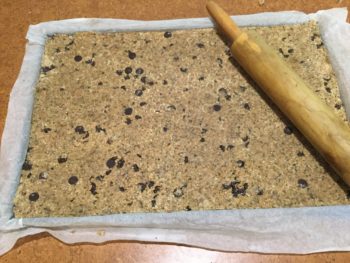
Line a baking dish or tray with parchment paper. Press the mixture firmly and evenly into the pan.

The more firmly you compress it, the better the bars will hold together.

6. Chill and Slice

Place the pan in the refrigerator or freezer until firm. Once chilled, remove and cut into bars or squares.

Store them in an airtight container in the fridge or freezer.

Make Them Your Own

This recipe is easy to adapt. You can use almond butter, sunflower seed butter or another nut or seed butter. Raisins can be swapped for cranberries or chopped dates, and you can add coconut, cinnamon or other seeds if you like.

If the mixture feels too dry, add a little more nut butter or sweetener. If it feels too sticky, add a bit more oats.

A Practical Homemade Snack

These bars contain oats, seeds, nut or seed butter and dried fruit, so they provide a mix of carbohydrate, fat, fiber and some protein.

They are still an energy-dense snack, especially with nut butter, sweetener and chocolate chips, so I prefer to think of them as a homemade snack rather than label them as automatically “healthy” or “better” than every packaged bar.

The biggest advantage is that you know exactly what is in them and can adjust the recipe to suit your family.

More Choose2be Recipes

If you enjoy easy homemade snacks, you may also like Raw Nanaimo Bars, No-Cook Peanut Butter Cake, Mexican-Style Zucchini Lasagna and Cookie Dough Energy Balls.
Yoga teacher Training, Yoga Teacher Training Nanaimo, Nanaimo, YTT, 200 hours YTT, 200 hours YTT Nanaimo, YTT Nanaimo, VIU, Vancouver Island University, Yoga Nanaimo, Yoga, Training, Training Nanaimo, Yoga Certification, Yoga Certification Nanaimo, Vinyasa Yoga, Vinyasa Yoga Nanaimo, Yin Yoga Nanaimo, Bootcamp Nanaimo, Personal Training Nanaimo, Personal Trainer Nanaimo, Bootcamp Nanaimo, Fitness class Nanaimo, Health Nanaimo, Nutrition Nanaimo, Wellness Nanaimo, Workout Nanaimo, Sculpt Nanaimo Can Fit Pro Certification, Fitness Instructor Specialist, Pro Trainer Nanaimo, Pro Trainer, Experience Yoga Instructor, Experience Yoga Teacher, Experience Yoga Instructor Nanaimo, Experience Yoga teacher Nanaimo
Zumba and Dance Fitness: Movement, Music and Joy

Zumba and Dance Fitness: Movement, Music and Joy

Zumba, dance fitness, latino music, body movement

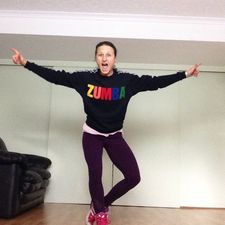
Zumba became an important part of my teaching journey because it brought together two things I already loved: fitness and dance. I came from a background in belly dance and group fitness, so when I discovered Zumba, the combination of music, rhythm and movement immediately made sense to me.

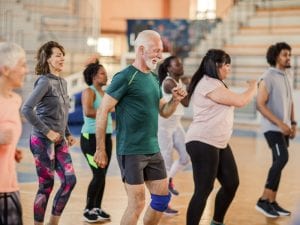
I trained as a Zumba instructor in Montreal in 2007, and over the years I taught classes for university students, seniors, schools, fundraisers and community groups. What I enjoyed most was seeing people move together without needing to be dancers.

What Is Zumba?

Zumba is a dance-fitness format built around music and choreographed movement. Classes often draw from Latin dance styles such as salsa, merengue and cumbia, along with other musical influences.

The appeal is that the workout feels more like dancing than following a traditional gym routine.

For many people, that makes it easier to stay engaged and keep moving.

Why Dance Fitness Can Be So Effective

Dance challenges more than just cardiovascular fitness. It can also develop coordination, balance, rhythm, agility and body awareness.

Because movement patterns change frequently, your brain has to stay involved too. You are listening to music, following cues, shifting directions and coordinating different parts of the body at the same time.

Most importantly, many people find dance enjoyable, which matters because the best type of exercise is often the one you actually want to keep doing.

You Do Not Need to Be a Dancer

One of the biggest barriers people have with dance fitness is feeling like they will not know the steps.

You do not need to get everything right.

When I teach dance, I often encourage people to build the movement from the ground up. Start with the feet, then add the hips, arms and eventually your own style.

You can also make movements smaller, slower or lower impact depending on what works for your body.

Dance and Mood

Movement and music can be a great way to shift energy, connect with other people and step away from everyday stress for a while.

Some participants have told me that dance classes helped them feel better emotionally, but I would not describe Zumba as a treatment for anxiety or depression. It is better understood as an enjoyable form of physical activity that may support overall well-being.

Belly Dance and Body Awareness

My belly dance background has also strongly influenced the way I teach.

Belly dance explores movements through the pelvis, rib cage and torso that many people do not use very often in everyday life. It can be a fun way to develop coordination and discover more possibilities in the body.

If you want to experiment with some of those movements, try Belly Dance Basics: 5 Movements to Build Body Awareness, Coordination and Confidence.

My Relationship With Zumba Today

Zumba was a big part of my teaching for many years, and it helped shape the way I approach group fitness and dance.

My teaching has continued to evolve, and today I bring together different influences from dance, yoga, mobility, strength and functional movement rather than focusing exclusively on one branded fitness format.

You can learn more about my current Dance Classes in Nanaimo and Group Fitness Classes in Nanaimo.

Movement Does Not Have to Feel Like Exercise

One of the things dance taught me is that exercise does not always need to feel like a workout.

Sometimes movement can simply be music, creativity, coordination and having fun with other people.

If dancing gets you moving more consistently, then it can be a valuable part of your fitness routine.

How to Save Money on Groceries While Eating Well

How to Save Money on Groceries While Eating Well

Grocery, environmental consciousness, budget, save money, bulk food

Grocery shopping has changed a lot for me over the years. My priorities have shifted from eating mostly for pleasure, to thinking about body composition, to focusing more on nourishment, simplicity, budget and sustainability.

These days, I am less interested in following a perfect “diet” and more interested in building meals that are affordable, satisfying and realistic for family life.

What I Mean by “Diet”

When I use the word diet here, I simply mean the foods I regularly eat.

I have gone through different phases with food, including times when I focused heavily on staying lean or restricting certain foods. Over time, I found that a more flexible approach worked better for me.

Now I pay more attention to whether meals are practical, nourishing, affordable and enjoyable.

1. Grow What You Can

Growing some of your own food can reduce grocery costs and also make food feel more connected to everyday life.

Depending on your space and climate, you might grow:

  • tomatoes
  • potatoes
  • squash
  • beans
  • onions
  • garlic
  • herbs
  • greens

You do not need a large garden. Containers, raised beds, balcony planters and community gardens can all work.

Growing food can also be a great activity with children because it gives them a chance to see where food comes from and participate in the process.

2. Buy Some Foods in Bulk

Bulk buying can save money when you choose foods your household actually uses regularly.

Examples include:

  • oats
  • rice
  • quinoa
  • beans and lentils
  • raisins and other dried fruit
  • sunflower and pumpkin seeds
  • popcorn
  • flour
  • nuts
  • nutritional yeast

The key is to compare unit prices rather than assuming bulk is always cheaper.

It also helps to avoid buying huge quantities of foods you may not finish.

3. Cook More From Basic Ingredients

Cooking from scratch can often be cheaper than relying heavily on prepared meals, especially for staples like soups, pasta dishes, rice bowls, lentils, beans and casseroles.

That does not mean packaged food is always bad or that every meal needs to be homemade.

Convenience foods can be extremely useful, especially during busy weeks. The goal is simply to have enough basic ingredients around that you can make simple meals without always needing takeout.

4. Cook Once, Eat More Than Once

One of the easiest ways to save both money and time is to intentionally make extra food.

A larger batch can become:

  • dinner tonight
  • lunch tomorrow
  • another meal later in the week
  • a freezer meal for a busy day

This is especially useful for soups, stews, curries, chili, pasta sauces, casseroles and cooked grains.

5. Plan Around What You Already Have

Before grocery shopping, check the fridge, freezer and cupboards.

Build part of your meal plan around food that needs to be used first.

This helps reduce waste and prevents buying duplicates.

Sometimes the cheapest meal is simply the one you can make without another trip to the store.

6. Use Lower-Cost Protein Sources

Protein can be one of the more expensive parts of a grocery bill, but there are many affordable options.

Beans, lentils, eggs, tofu, canned fish, Greek yogurt, cottage cheese and peanut butter can all be useful depending on your preferences.

Buying meat less often, choosing less expensive cuts or using smaller amounts alongside beans and vegetables can also reduce costs.

You do not need an expensive protein source at every meal to eat well.

7. Compare Price Per Unit

A bigger package is not automatically a better deal.

Check the price per 100 grams, kilogram or litre when possible. This makes it much easier to compare different brands and package sizes.

Sales can be helpful, but only if you actually use the food.

8. Use Frozen and Canned Foods

Fresh food is great, but frozen and canned foods can be just as practical.

Frozen fruit and vegetables are convenient, last longer and can reduce waste. Canned beans, lentils, tomatoes and fish can make meals much faster.

These foods can be especially useful when fresh produce is expensive or when you need something that will keep for a long time.

9. Keep Simple Meals in Rotation

You do not need a completely different dinner every night.

Having a few inexpensive meals you know your household will eat can make grocery planning much easier.

Ideas might include:

  • lentil or bean chili
  • pasta with vegetables
  • rice bowls
  • soups
  • tacos or burritos
  • eggs with potatoes and vegetables
  • homemade pizza
  • stir-fry
  • casseroles

Simple meals are often easier to budget for and easier to repeat.

10. Leave Room for Convenience

Trying to cook everything from scratch can become exhausting.

Sometimes a frozen pizza, prepared soup, rotisserie chicken or other convenience food can still save money compared with restaurant meals or takeout.

The goal is not perfection. It is finding a grocery routine that works for your actual life.

Eating Well on a Budget Does Not Need to Be Complicated

Saving money on groceries is usually less about finding one perfect trick and more about combining small habits: planning ahead, reducing waste, cooking extra, using affordable staples and buying only what you are likely to use.

If you want support building realistic habits around food, movement and everyday health, you can learn more about Health & Lifestyle Coaching.

You may also enjoy some of the simple recipes on the site, including Easy No-Cook Granola Bars, Sprouted Sunflower Seed Cookie Dough Balls and Mexican-Style Zucchini Lasagna.