Transform Your Body and Mind with Yoga Teacher Training in Nanaimo, Vancouver Island 2022

Transform Your Body and Mind with Yoga Teacher Training in Nanaimo, Vancouver Island 2022

Yoga Teacher Training Nanaimo

Turn Your Yoga Passion Into a Career

200 Hours, recognized by Yoga Alliance

Yoga Teacher Training Certification

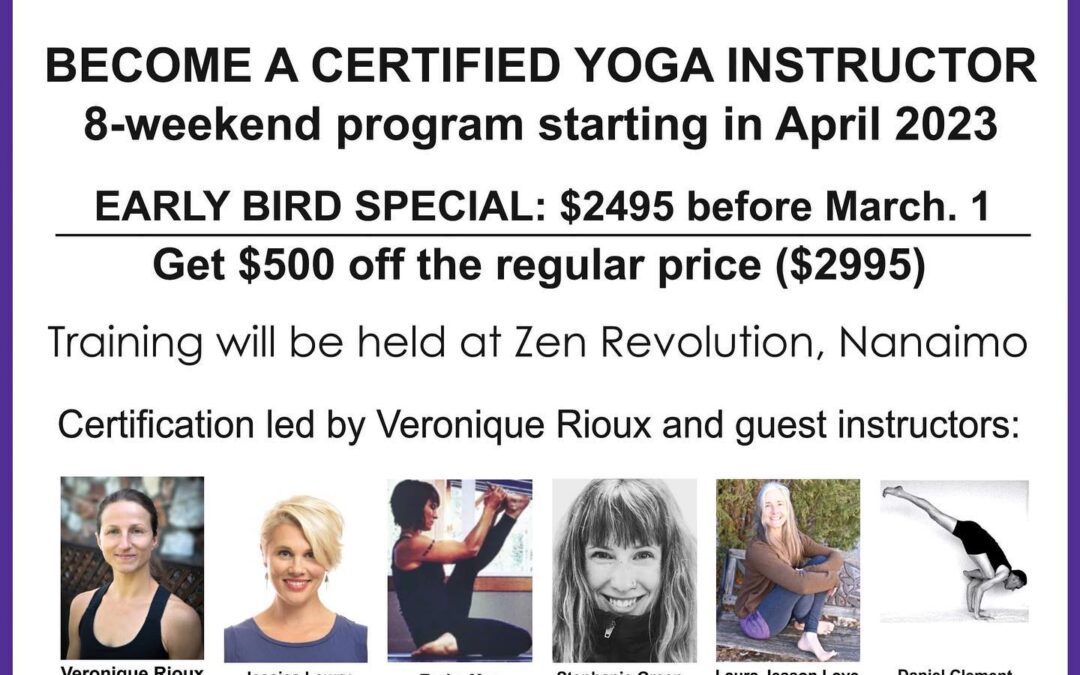
Choose2be’s 200 hours of Yoga Teacher Training certification is designed to deepen your yoga practice and knowledge. Explore yoga philosophy, anatomy, asana, pranayama, meditation, mantra, and practice teaching in a safe environment with other students. In this program, you will learn to create an asana sequence for students at all levels using props and hands-on assistance. Certification is led by Veronique Rioux, with the participation of guest instructors specialized in specific areas.

Curriculum Breakdown
  • Technique, training and practice, 100 hours
  • Anatomy of the body, 10 hours
  • Anatomy of the Chakra and energy body, 10 hours
  • Philosophy, 20 hours
  • Ethics for Yoga teacher, 10 hours
  • Teaching methodology, 20 hours
  • Business of Yoga, 5 hours
  • Practice teaching, 5 hours
  • Homework, 20 hours
Schedule

The 2022 Yoga Teacher Training is taught over 8 weekends. The first weekend start on Easter long weekend (April 15, 16, 17, 18) with an intensive 4 full days; Friday, Saturday, Sunday and Monday 8:30am – 5:30pm. Then there will be 7 more weekend, Friday 5-9pm, Saturday and Sunday 8:30am – 5:30pm. The last day of the Yoga Teacher Training will be June 5, 2022.
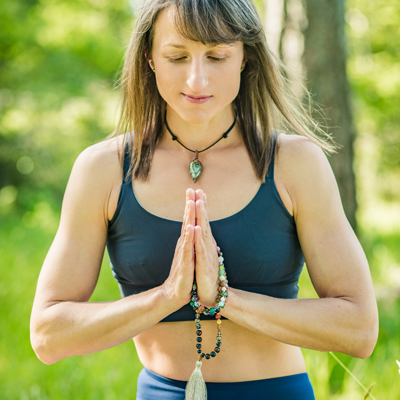
"Vero is a wonderfully positive, knowledgable, and supportive teacher/instructor. Her energy is infectious and she has an amazing ability to keep every class fresh, fun and upbeat. I have taken various classes with Vero over the years including butts & guts and circus yoga. Currently, I am enrolled in her Yoga Teacher Training program, which has been one of the most influential experiences of my life."

Holly Woods 

"I did my yoga teacher training with Vero a few years ago when she first started the program. I wanted to provide you with an honest review of my experience. I learned that yoga is something we live and breathe in everything we do. We learned how to consciously focus and to remain in a meditative state despite our environment. We had a small group of women, around 10, so it was very intimate. Vero is so warm and we’re friends to this day and continue to visit each other. I’m also still in contact with all the women who were a part of this group. My favourite part is that Vero brought in a rich abundance of yogi teachers to teach alongside her. She provided an amazing manual and readings that I still refer to today. I did this training for my own healing and practice, as well as to teach children, but I know I’m fully capable and confidant in sharing my teaching services to adults as well. I absolutely, wholeheartedly recommend Vero’s teacher training. I hope this helps guide you. Kind Regards"

Kendra Minty Student Teacher at VIU Owner at Mint Girls Mintgirls.ca

"I did my yoga teacher training with Vero a few years ago when she first started the program. I learned from Vero that yoga does not need to happen in a glamorous place, wearing glamorous clothing, and getting glamorous picture on Instagram. I learned that yoga is something we live and breathe in everything we do. We learned how to consciously focus and to remain in a meditative state despite our environment. We had a small group of women, around 10, so it was very intimate. Vero is so warm and we’re friends to this day and continue to visit each other. I’m also still in contact with all the women who were a part of this group. My favourite part is that Vero brought in a rich abundance of yogi teachers to teach alongside her. She provided an amazing manual and readings that I still refer to today. I did this training for my own healing and practice, as well as to teach children, but I know I’m fully capable and confidant in sharing my teaching services to adults as well. I absolutely, wholeheartedly recommend Vero’s teacher training. I hope this helps guide you."

Kendra Minty Owner at Mint Girls Mintgirls.ca

"Vero is so beautiful in so many ways. The YTT that I took with her this year (2019) exceeded any expectations that I had! Right away she had the 12 of us strangers feeling comfortable and ready for the journey ahead. The 12 of us became very close during the 8 weeks and I know this is due to the space Vero created. Thank you Choose2be!!!"

Samantha Waagenaar

"Nothing but wonderful things to say about Véronique. I wrote my canfitpro theory exam with her and did my practical component with her two days later! She was super accommodating ( I came over to the island from Vancouver) and made me feel extremely comfortable during the whole process. I would HIGHLY recommend her. From the bottom of my heart, thank you Véronique for helping me make my dreams a reality and a new career now!!!"

 Cassandra Anne

"Vero is an amazing instructor and very knowledgeable. She’s inspirational and motivating, very helpful. Would definitely recommend working under her!"

Courtney Campbell

Meet Your Yoga Teacher Training Instructors

“With the help of our local Yoga community, I was able to put together this very unique Yoga Training. I want to equip my students with as much knowledge and experience possible to become their own best yoga teacher. Most of the training I’ve seen have only 1 – 2 main instructors, but even with 16 years of teaching experience, I still don’t know everything! Having so many instructors will help you find your unique voice and embrace your gifts. We’ve had over a dozen teachers come in and share their strengths and wisdom in the training so far. I am so honoured to have been able to inspire such transformation in these peoples’ lives.”

 – Veronique

Andrew Desrochers

Andrew Desrochers

Intentional cercle

Monday April 18, 2022, 2-5pm

Learn More

Manifest your deepest desires while assisting others in manifesting their desires.
As we sit in a group, we each get a chance to talk about something that we want to manifest in our life. It can be anything!! Examples are: (Physical, emotional or mental healings. Career or occupational advances. Relationship or love miracles. Personal growth or spiritual breakthroughs. Obstacles you are wanting to overcome. Anything at all!) Each person gets a minute or 2 to share their intention. Followed by 3-5 minutes of meditation, where you and the rest of the group visualize your intention. (Be very clear so that we can all paint a bright mental image) Everyone gets an equal turn and time to have space held for them. Setting intention aligns your mind and your heart with your desires. Doing this helps us stay on track with our purpose and keep momentum moving quickly towards our dreams. Doing this in a group intensifies the energy substantially! Miracles happen and dreams come true, fast! I have tonnes of testimonials in my life and from the groups I’ve been in. This stuff works!! I promise!

Laura Jesson Love

Laura Jesson Love

Kundalini Yoga & Mediation

Saturday & Sunday April 23 & 24, 2022, 8:30am – 5:30pm

Learn More

“Kundalini is the Yoga of Awareness. It is a dynamic, powerful tool that is designed to give you an experience of your soul. In Kundalini Yoga we harness the mental, physical, and nervous energies of the body and put them under the domain of the will, which is the instrument of the soul. This technology precisely and consciously combines breath, mudra, eye-focus, mantra, body locks, and postures to balance the glandular system, strengthen the nervous system, expand lung capacity, and purify the blood. It brings balance to the body, mind, and soul.”- 3ho organization

The practice of yoga asana prepares our body to sit in meditation.

  • We’ll learn the posture and foundation of sitting meditation.
  • We’ll explore the four foundations of mindful meditation.
  • We’ll dive into our three functional minds.
  • We’ll get inspired by yoga science, human habits, duration and time of meditation and work to create a daily sustainable practice.

About Laura Jesson:

A natural born yogi, from philosophy to physical activity, breath and body, movement and stillness, Laura is always striving for balance in her life and empowering the same in others. After five years of personal practice, she took her first training in Moksha Yoga, followed by PreNatal Yoga with Janice Clarfield, and Yin Yoga with Bernie Clark. One strong source of inspiration and teachings woven throughout continues to be the influence of Michael Stone, who was a Psychotherapist, Yoga, Buddhist and Mindful Meditation teacher, author, activist, mentor and friend.

Laura is currently finding more peace through stillness in Meditation, Relaxation and deepening her practice of Kundalini Yoga. When not on her mat Laura takes all she learns being mom to two beautiful boys, creating more love in life and cycling lots!!

E-RYT 500+, Moksha 500 hours, Prenatal Yoga, Yin Yoga, Trauma Sensitive Training, Mindfulness Meditation Training. BA Degree in Psychology. Post Graduate Diploma in Wellness and Lifestyle Management. Kundalini Yoga Aquarian Teacher Training Level One and Two Lifecycles and Lifestyles — Instructor (Foundations) 

Tasha Mae

Tasha Mae

Myofascial release, postural alignment and Sanskrit

Friday April 22, 2022, 5-9 pm

Learn More

In this workshop, we discover the many benefits and uses of bringing a dowel into your practice. The dowel can be used as a tool to assist with postural alignment and myofascial release. We will use the dowel to explore the ancient technique of tapping, as a tool to assist with lengthening and creating space in the body, and even as a way to assist in teaching your students, and yourself, proper alignment when moving through the asanas.

About Tasha Mae
Movement is Tasha’s passion and she considers herself a lifelong student. She is curious and interested in discovering the most wholesome way to keep our body healthy and well balanced by practicing just sitting, pranayama, strength training, natural movement, HIIT, and the yoga asanas. Tasha Mae is not only passionate about movement, but also loves to share it with other people. She has currently been teaching yoga and fitness for 6 years. Tasha Mae has over 1200 hours of training and is an 800hour Internationally Certified Vijnana Yoga Teacher as well as a Personal Trainer and Fitness Class Instructor. She has also studied and practiced the Tensegrity Repair Series with Gioia Irwin and Flo Dedame.


Myriam Verzat

Myriam Verzat

Non Violent Communication

Friday April 29, 2022, 6-9pm
Learn More

Myriam is a certified trainer from the Center For NonViolent Communication (CNVC), based in Nanaimo. Nonviolent Communication (NVC) has been a very important part of her life since she was a child. It is a process of relating to each other and a form of consciousness that has transformed her relationships with her family, her friends and her work colleagues. Myriam has a Master’s degree in communication, a certificate in environmental education and five years of training and sharing NonViolent Communication. She shares her passion for NVC with individuals, schools and organizations around Nanaimo. Her dream is to empower organizations and individuals to build a more compassionate and sustainable world. Myriam has the deep conviction that the way we relate to ourselves and to each other is at the core of the type of violence we observe and perpetuate in the world. She believes that we need to make a deep change in the way we relate to ourselves, to each other and to the planet if we want to survive as a species. And she definitely wants to contribute to this change!
To know more about her, please visit:
http://www.myriamverzat.com.

Nura Madjzoub

Nura Madjzoub

Teaching Methodology

Art of Sequencing Saturday May 7, 2022, 8:30am – 5:30pm
Art of Assisting Saturday May 28, 2022 8:30am – 5:30pm

Learn More

This teaching methodology module of the 200 hour Yoga Teacher Training program offered by Choose2be, is being opened up to yoga teachers, teacher trainees and advanced yoga students (with prior approval).

In The ART of SEQUENCING we will explore the following topics:

  • Reverse Engineering: building a class based on an apex pose
  • Thematic design: using class inspiration and peak poses to create and guide a class
  • Anatomical consideration: building a safe, effective, and transformative practice
  • Notation: creating your short hand
  • Clear Intention: Determining a “goal” and building towards it

Through lecture, discussion and practice we will explore the fundamentals as well as the creativity needed to design original, class-specific sequences. Participants will be lead through the process of creating a sequence and then experience it in their bodies. Time will be given to experiment with creating short class plans within the group context to allow participants to receive feedback in a safe and supportive environment. The topic of cueing will be introduced and discussed as needed in relation to the topic of class design.

In The ART of ASSISTING we will explore:

  • Objective and subjective approach to touch
  • Safety and personal space
  • Relevance of anatomical knowledge
  • Critical and compassionate observation
  • Specific techniques of touching from basic to advanced poses
  • Cueing and the importance of clear directions as a way to guide and assist students without touch

This full day training explores the much debated topic of hands-on assisting within a yoga practice. This is a hot topic currently in the yoga world, and the recognition is being given to the importance of considering the ethics and implications of touching others. In this training participants will be asked to consider how and when to use touch, if at all, and what it means to have consent from students. We will explore the importance of, and build skills in, our verbal cueing, recognizing that the clearer our words are, the less “interference” may be needed.
Within the training, participants will also learn mindful, intentional, and effective hands-on assists to enhance the use of touch in their yoga classes when desired. Throughout this training, participants will begin to discover the depth of this seemingly simple topic. From these layers of awareness, participants will be more equipped and feel more confident, to make decisions on when and how to use touch, as a seamless factor in their instruction, enabling teachers to cultivate a compassionate experience for class participants––physically, emotionally, and mentally.

About Nura Madjzoub – nuramadjzoub.com

Nura has been teaching yoga for 19 years around the world. Her primary style of teaching is a flow “vinyasa” style, where she draws from her dance background and extensive and continuous anatomical studies, to create intelligent and effective yoga sequences. Her yoga teaching and practice is also greatly influenced and informed by her practice as a massage therapist. She has been a licensed and practicing massage therapist since 2006, and She has also spent time in Thailand learning Thai yoga massage to add to her growing interesting in the interplay of yoga and touch.
Above all, Nura is a life learner and perpetual student. Her own practice as well as her teaching, has evolved and shifted in many ways over the past 2 decades, and she can’t imagine it ever remaining stagnant. There is always more to learn and it is this love of learning, that she is also passionate to share with her students. Life is so full of discoveries and new thoughts and ideas, we can only remain open and curious so that we might benefit from them!

Daniel Clement

Daniel Clement

Philosophy

Friday May 13, 2022, 5pm-9pm,  Saturday & Sunday May 14 & 15, 2022, 8:30am – 5:30pm
Learn More

Philosophy, empowered reasoning and the history of the yoga traditions with Daniel Clement
Before yoga arose in India, human groups across the planet had evolved the ability to project into the future and think about the past. Societies that could live and work well together thrived and grew, those that could not, did not.
Questions about the origins of humankind, the meaning of life and possible afterlife were answered by mythologies, ideologies and religions. The practices of yoga arose in part as an answer to some of these questions, and as a means sharpening the tools of inquiry. Daniel will take us through cultural changes as humans moved from hunting and gathering through the agricultural revolution, to ritual cultures, to the origin of the word Yoga, and the many definitions it has in the modern world. How does the yoga that we practice today reflect the traditions it grew from? Let’s find out.

About Daniel Clement

​Like many yoga practitioners and teachers, I had a natural predisposition to yoga practice. The qualities of self-study, a desire for balance and harmony and a somewhat sensitive and introverted personality served me as a musician and songwriter. I found the same qualities could be directed toward understanding and practicing yoga. I became interested in hatha yoga in the mid 1990’s as a way to heal a back injury. After attending classes in Iyengar yoga, I gravitated to Ashtanga Vinyasa Yoga. I practiced this rather intense form of yoga regularly for 3 years before attending my first teacher training with David Swenson. In the fall of 2003 I was introduced to postural biomechanics by Anusara Yoga teacher Elissa Gumushel, who was kind enough to teach me regularly at her home. By this time I had acquired a deep set of habits in the body through my Astanga Yoga practice, and also many small injuries and misalignments. I realized that though I had developed some strength, discipline and flexibility, I had a superficial relationship with the poses I was doing. I knew the basic forms, but had not spent enough time in each pose in any one practice to really understand how to use the pose to get into the body. After leading six to eight 200 and 500 hour trainings per year from 2008 – 2013 in Canada and graduating over 500 teachers, I began to ask some hard questions about what I was doing. My work now is to train effective hatha yoga teachers and to explore the more subtle aspects of the healing power of yoga through writing and workshops. To that end I offer 200 and 300 hour trainings and workshops at my home studio on the gulf island of Texada, British Columbia. I also travel regularly to Japan to teach workshops and try to absorb what remains of the grace of Zen and Taoist influence in the rural villages there.

Jessica Lowry

Jessica Lowry

Introduction to Iyengar Yoga. Special Focus: Alignment

Sunday May 22, 2022, 12:30pm – 5:30pm

Learn More

Class description:

Iyengar yoga is a practice founded by B.K.S Iyengar who is known as the father of modern yoga. Iyengar yoga offers a thorough teaching methodology that introduces poses, and specific actions within poses progressively such that a student learn and build their understanding of pose work, alignment, and themselves, safely and systemically. Many associate props with this practice. Props are part of the practice but are used in many creative ways not only to support but to enhance learning. Jessica will be sharing elements of Iyengar yoga to give student teachers a taste of this practice and how it might inform the questions they ask when approaching, ‘What am I teaching and why? ‘What do I see in my students and how can I help them improve?’ She is excited to share her passion for this practice with those interested in the subject of yoga.


Jessica first completed a 300 hr TTP through Moksana yoga in Victoria BC and started teaching in 2007. Once introduced to the practice of Iyengar yoga she committed to this lineage and the rigorous path toward certification. Jessica is a certified Iyengar yoga instructor . She has taught yoga at Soulfire Studio in Ladysmith, Bend Over Backwards in Nanaimo and currently teaches with The Hive Collective in Chemainus. Jessica also has  developed an online teaching practice: Your Yoga Library.  As a classically trained actor Jessica is passionate in the exploration of both play and discipline in yoga and theatre. Jessica  has worked as a TD Artist in the Schools through the Nanaimo Art Gallery offering programs that align Yoga and Theatre in schools. Most recently she was recipient of an Artstarts grant to a develop multidisciplinary yoga/theatre online mindfulness program for students, grade 4-7: Mindful Practice through Mindful Expression. 


Chito Richards

Chito Richards

Vinyasa flow, Awaken our love warrior spirit

To be confirmed

Learn More

Mala, Mantra, Méditation.

‘’Like prayer and affirmation, the repetitious use of mantra can have powerful effects on the mind, body, spirit and emotions. In this 2 hour workshop you will learn about Malas and Mantras while you create your own unique Mala necklace to take home and use during Japa Mala meditation practice. Mantras are unique combinations of Sanskrit words and sounds that when chanted repeatedly invoke different energies. All supplies and instruction needed to create a Mala unique to your needs and desires are included. Also included are a list of mantras to use with your Mala. We will practice a Japa Mala meditation at the end of the workshop using your new Mala bead necklace.’’

About Karen

oga came into my life on a chilly winter morning in Edmonton in 2002. And for this I am eternally grateful. Yoga is more than a daily practice, it’s a lifestyle, one I’ve been evolving into for the past 18 years. It’s a lifelong process of incorporating the many teachings of yoga into daily life and I continue to study and learn every day. Over the years my personal practice has evolved and changed according to my physical, mental and emotional needs. My personal journey through chronic pain has gifted me with a compassion for the suffering of all beings, and brought me new ways to practice yoga. I weave poetry, music, meditation and mantra into my classes to enhance the experience for all my students.
Over the past 18 years I have studied with many teachers around the globe. I have received teachings in Hatha Yoga, Ashtanga vinyasa yoga, Yin yoga, Restorative yoga, Prenatal yoga, Yoga Nidra, Meditation, and Nada Yoga. I am also trained in sound therapy, reflexology, and am a trained Conscious Connected breath work facilitator, a Reiki practitioner, kirtan leader and formerly a registered nurse.
I am forever humbled by the power of yoga, meditation and mantra, and am grateful to all my teachers and students over the years, from whom I continue to learn and grow.


Weekend Eating and Weight-Loss Goals: Think About the Whole Week

Weekend Eating and Weight-Loss Goals: Think About the Whole Week

Overindulging on weekends, calorie deficit, weight loss goals, long-term weight management, regular exercise, balanced diet, moderation in eating, avoiding impulse eating, planning meals and snacks

It is common to eat differently on weekends. Meals may be less structured, social events come up, and people often give themselves more freedom around food.

That does not mean weekends are a problem. The bigger issue is whether your overall eating pattern supports your goals across the week.

If weight loss is one of your goals, looking at the full week is usually more useful than thinking in terms of “good weekdays” and “bad weekends.”

Weight Change Reflects Overall Energy Balance

Weight loss generally requires an average energy deficit over time.

That means eating less energy than your body uses, on average.

A few higher-calorie meals do not automatically erase progress, but repeated large increases in intake can reduce or eliminate the weekly deficit you created on other days.

This is why the overall pattern matters more than any single meal.

Why Weekends Can Feel Different

Weekends often come with different routines.

You may:

  • sleep later
  • skip regular meals
  • eat out more
  • drink more alcohol
  • snack more often
  • attend social events
  • eat larger portions

None of these behaviours are automatically “bad.”

They simply make intake less predictable.

Avoid the Restrict-and-Overeat Cycle

One common pattern is eating very rigidly Monday to Friday and then feeling out of control on the weekend.

That can create a cycle of restriction, overeating, guilt and starting over.

If this sounds familiar, the solution may not be more discipline.

Sometimes the weekday plan is simply too restrictive.

A more flexible approach often works better.

Eat Enough During the Week

If you under-eat all week, strong hunger by Friday or Saturday is not surprising.

Regular meals that include protein, fibre, carbohydrates and fats can make it easier to arrive at the weekend without feeling deprived.

The goal is not to “save calories” all week so you can spend them later.

It is to build an eating pattern you can actually live with.

Keep Some Structure on Weekends

You do not need a rigid weekend meal plan.

A little structure can still help.

For example:

  • eat a real breakfast
  • include protein with meals
  • avoid arriving at social events extremely hungry
  • keep easy snacks available
  • drink water regularly
  • enjoy treats intentionally rather than grazing all day

You can still have pizza, dessert, brunch or restaurant meals.

Consistency does not mean eating exactly the same foods every day.

Plan for Foods You Enjoy

Trying to remove all “unhealthy” foods often makes them feel more important than they need to be.

Instead of thinking in terms of cheat meals or being “good,” leave room for foods you enjoy.

If you know you are going out for dinner, you do not need to compensate by starving yourself beforehand.

Eat normally, enjoy the meal and return to your regular routine afterward.

Alcohol Can Add Up Quickly

Alcohol can make a noticeable difference in weekly energy intake.

It can also lower inhibitions around food and disrupt sleep, which may affect eating and exercise the next day.

You do not need to eliminate alcohol completely, but it is worth including it when you are looking at your overall pattern.

Exercise Helps, but It Is Not Punishment

Exercise supports health, strength, fitness and energy expenditure.

It should not become a way to “earn” food or compensate for eating more.

A long workout does not need to follow every restaurant meal or social event.

Keep movement consistent because it supports your health and goals, not because you are trying to erase what you ate.

Look at Trends, Not One Day

Body weight naturally fluctuates because of:

  • hydration
  • sodium
  • carbohydrate intake
  • digestion
  • menstrual-cycle changes
  • alcohol
  • training

A higher number on the scale after a weekend does not necessarily mean you gained that amount of body fat.

If you track weight, look at trends over several weeks rather than reacting to one morning.

You can also read Food Journaling vs. Calorie Counting for a less rigid approach to tracking.

Sleep Matters Too

Short sleep can affect appetite, energy and food choices.

Weekends sometimes involve both more eating and less sleep, which can make Monday feel harder.

Supporting regular sleep is useful for health regardless of whether weight loss is your goal.

Make the Plan Sustainable Seven Days a Week

A successful approach should not feel like five days of dieting followed by two days of freedom.

Ideally, your weekday and weekend habits are similar enough that neither feels extreme.

You might eat differently on Saturday than Tuesday, but the underlying habits remain:

  • regular meals
  • enough protein and fibre
  • enjoyable movement
  • reasonable portions
  • flexibility
  • no guilt

That is much easier to maintain long term.

If Weight Loss Is Your Goal

Weight loss can be one goal, but it is not the only sign of progress.

You may also notice:

  • better energy
  • improved strength
  • more consistent workouts
  • improved endurance
  • better sleep
  • less all-or-nothing thinking around food
  • more confidence making food choices

Those changes can make a healthy lifestyle much more sustainable.

For structured support around movement, nutrition habits and lifestyle change, explore the Eight Weeks to Health Coaching Program or Health & Lifestyle Coaching in Nanaimo.

Feeling Better With Exercise: Strength, Energy and Overall Health

Feeling Better With Exercise: Strength, Energy and Overall Health

Exercise for weight loss, benefits of exercise, exercise for toning, exercise for overall health, feeling better with exercise, starting an exercise routine, exercise tips, physical activity benefits

Exercise can support both physical and mental well-being, but it does not need to be centered on weight loss or changing how your body looks.

A more useful question is often: What do I want my body to be able to do?

For some people, that means getting stronger. For others, it means having more energy, improving endurance, moving with less stiffness or simply feeling more confident being active.

Exercise for Weight Management

Exercise can contribute to weight management because it increases energy expenditure and can help preserve or build muscle.

But body weight is influenced by many things, including food intake, sleep, stress, medications, hormones, age and genetics.

Exercise is valuable even when the scale does not change.

Rather than using movement only to “burn calories,” it can be more sustainable to choose activities you enjoy and can repeat consistently.

Strength Training and Body Composition

What people often call “toning” usually means building some muscle while reducing body fat.

Strength training is one of the best tools for this because it helps maintain and develop muscle.

Useful exercises include:

  • squats
  • lunges
  • rows
  • presses
  • deadlift variations
  • step-ups
  • push-ups
  • core exercises

You do not need to train every day.

For many people, two or three strength sessions per week can be a good starting point.

You can read 10 Benefits of Strength Training for more.

Cardio Still Matters

Walking, cycling, swimming, hiking, dancing and other forms of cardiovascular exercise can improve endurance and support heart health.

Cardio and strength training are not competitors.

A balanced routine can include both.

You can also read Aerobic vs. Anaerobic Exercise: What’s the Difference? for a better understanding of how different types of training work together.

Exercise and Mood

Movement can help some people feel more energized, grounded or mentally clear.

It may also support mood and stress management.

That does not mean exercise is a cure for anxiety or depression, but it can be one useful part of a broader approach to well-being.

If you are struggling significantly with your mental health, professional support can be important alongside movement.

Exercise for Everyday Function

One of the biggest benefits of exercise is that it can make everyday life easier.

Strength and fitness can help with things like:

  • carrying groceries
  • climbing stairs
  • getting up from the floor
  • lifting children
  • hiking
  • gardening
  • maintaining balance
  • staying active as you age

This is often more meaningful than chasing a particular body shape.

Flexibility and Mobility

Flexibility can be useful, but flexibility alone is not the goal.

Mobility combines range of motion with strength and control.

A good movement routine can include both mobility work and strength training.

You can read Mobility vs. Flexibility: What’s the Difference and Why Does It Matter? for more.

How Much Exercise Do You Need?

You do not need to exercise for hours every day.

A realistic routine might include regular walking, a few strength sessions each week and some cardio or mobility work.

The most important factor is consistency.

Short sessions still count.

Ten or fifteen minutes is better than waiting for the “perfect” hour that never comes.

Start Where You Are

If you are new to exercise, begin with something manageable.

That could mean:

  • a 10-minute walk
  • a short bodyweight circuit
  • one mobility session
  • one group fitness class
  • one strength workout per week

Once that feels normal, build gradually.

You do not need to push yourself to exhaustion to make progress.

Exercise Should Support Your Life

A good fitness routine should help you feel more capable, not constantly depleted.

Progress can look like:

  • lifting more weight
  • walking farther
  • feeling less out of breath
  • improving balance
  • moving with more confidence
  • recovering faster
  • feeling more consistent

Those changes matter even if your body weight stays exactly the same.

Build Habits That Last

The best routine is the one that fits your actual life.

If you want individualized support, learn more about Personal Training in Nanaimo or explore Group Fitness Classes in Nanaimo.

If you want more structured support with movement, food and everyday habits, you can also explore the Eight Weeks to Health Coaching Program.


Why Work With a Health and Fitness Coach?

Why Work With a Health and Fitness Coach?

Accountability, coach, coaching, why need a coach, hiring a coach, lifestyle coach, life coach, coach nanaimo, coach Vancouver island, transformation coach nanaimo, transformation coach

Making changes to your exercise, nutrition and daily habits can be difficult, especially when you are trying to do everything on your own. A coach can provide structure, accountability and practical support while helping you create goals that fit your actual life.

Coaching does not need to be centered only on weight loss. It can also support strength, energy, consistency, confidence, mobility and healthier routines.

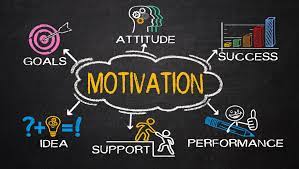
Support and Motivation

One of the biggest benefits of working with a coach is having someone in your corner.

A coach can help you:

  • clarify your goals
  • break them into manageable steps
  • stay consistent when motivation drops
  • adjust the plan when life gets busy
  • notice progress that you might otherwise overlook

Motivation naturally changes from week to week. Coaching can help you rely less on motivation and more on systems and habits.

Accountability

Accountability can make a big difference when you are trying to build new routines.

Knowing that you will check in with someone can help you follow through with workouts, meal planning, walking, sleep habits or other goals you have chosen.

Good accountability should not feel like punishment.

The goal is to help you understand what is working, what is getting in the way and what needs to change.

Personalized Guidance

Generic fitness plans can be useful, but they do not always account for your schedule, experience, injuries, preferences or current fitness level.

A coach can help personalize the process.

That may include:

  • choosing realistic workouts
  • progressing strength exercises
  • adapting exercises around limitations
  • planning movement around your schedule
  • helping you develop sustainable food habits
  • adjusting goals as your needs change

A personalized plan is usually easier to maintain because it is built around your life rather than an idealized routine.

Building Strength and Fitness

If part of your goal is changing body composition, strength training can be especially helpful because it supports muscle development and physical capacity.

You can combine strength work with cardio, walking and mobility depending on your goals.

For more, see Feeling Better With Exercise: Strength, Energy and Overall Health and 10 Benefits of Strength Training.

Nutrition Without Perfection

Nutrition coaching should not be about following an impossibly strict diet.

For many people, the most useful changes are simple:

  • eating regular meals
  • including enough protein
  • eating more fruits and vegetables
  • planning ahead
  • reducing mindless snacking
  • becoming more aware of hunger and fullness
  • finding realistic meals you actually enjoy

The goal is consistency, not perfection.

A coach can help you look at patterns and make practical adjustments without turning food into an all-or-nothing project.

Coaching Is Not the Same as Medical Nutrition Therapy

A fitness or health coach can support general healthy eating habits, but medical conditions and specialized nutrition needs should be addressed by the appropriate healthcare professional, such as a physician or registered dietitian.

That distinction matters.

Good coaching includes knowing when something is outside the coach’s scope.

Confidence and Skill Development

Coaching is not only about being told what to do.

A good coach should help you understand why you are doing something and give you skills you can eventually use on your own.

Over time, you may become more confident with:

  • choosing exercises
  • adjusting a workout
  • understanding effort
  • planning meals
  • recognizing when you need recovery
  • setting realistic goals

The aim is greater independence, not permanent dependence on a coach.

Coaching and Safety

A coach can teach exercise technique, offer appropriate progressions and help you avoid doing too much too soon.

That does not mean coaching can guarantee injury prevention.

Injury risk is influenced by many factors, including training load, recovery, previous injury and health conditions.

If you have significant pain, a recent injury or a medical condition affecting exercise, appropriate medical or rehabilitation guidance may also be needed.

What About Weight Loss?

Some people come to coaching specifically because they want to lose weight.

That is a valid goal, but it does not need to be the only measure of success.

Progress can also look like:

  • becoming stronger
  • having more energy
  • walking farther
  • sleeping better
  • exercising consistently
  • feeling more confident in the gym
  • improving mobility
  • developing a healthier relationship with food and movement

Weight can be one piece of the picture rather than the entire picture.

Why Coaching Can Help With Consistency

Most people already know that movement, nutrition, sleep and recovery matter.

The harder part is turning that knowledge into something you can consistently do.

That is where coaching can be useful.

Instead of constantly starting over, you can build a plan that adapts when life changes.

Health and Lifestyle Coaching in Nanaimo

Accountability, coach, coaching, why need a coach, hiring a coach, lifestyle coach, life coach, coach nanaimo, coach Vancouver island, transformation coach nanaimo, transformation coach

My coaching approach combines practical support around movement, nutrition, habits and mindset.

The goal is not to create a perfect routine.

It is to help you build habits that are realistic enough to continue.

If you want structured support, explore Health & Lifestyle Coaching in Nanaimo or the Eight Weeks to Health Coaching Program.

If your goals are more exercise-specific, you can also learn about Personal Training in Nanaimo.