Yoga for Strength, Mobility and Mental Well-Being
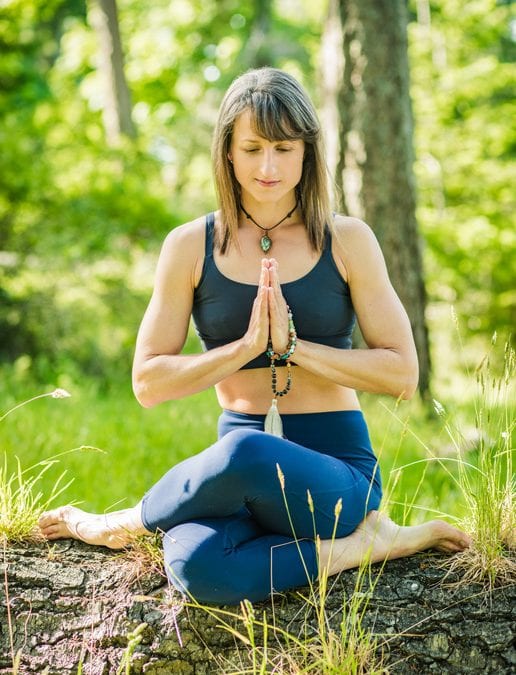
Yoga is more than a workout. It combines movement, breathing and attention in a way that can support strength, mobility, balance and body awareness while also creating space to slow down and reconnect with yourself.
There are many different styles of yoga, and the experience can range from physically challenging Vinyasa classes to slower Yin or restorative practices. The best style is the one that fits your body, your goals and what you enjoy.
Benefits of Yoga for the Body
Yoga can help develop strength, mobility, balance and coordination through a wide variety of positions and movement patterns. Depending on the style, a class may include standing poses, lunges, balance work, core exercises, spinal movement, hip mobility and upper-body strength.
Yoga can also complement other forms of exercise. Strength training builds the ability to produce force, while yoga and mobility work can help you explore range of motion, control and body awareness. You do not have to choose one or the other.
If you want to explore yoga alongside functional movement and mobility, learn more about Yoga & Mobility Classes in Nanaimo.
Yoga, Breathing and the Mind
Yoga usually encourages you to pay attention to your breath and what is happening in your body while you move. That focus can provide a break from the constant stimulation of everyday life and may help you feel calmer and more grounded.
Slower breathing, mindful movement and periods of stillness can all support relaxation and stress management. Yoga is not a substitute for mental-health treatment when someone needs additional support, but it can be one useful practice for supporting overall well-being.
For a deeper exploration of breathing and the nervous system, you can also read Breathwork, the Nervous System, and Epigenetic Trauma on Vancouver Island Holistic Counselling.
Yoga and Self-Awareness
One of the things I value most about yoga is the opportunity to notice what is happening rather than simply pushing through an exercise.
Some days your body may feel strong and open. Other days you may need to move more slowly or modify a pose. Learning to notice those differences can build greater awareness of your body and help you make choices based on what you actually need.
For some people, yoga also has a spiritual dimension. For others, it is simply movement, breathing and time to slow down. There is room for both approaches.
Finding the Right Yoga Style
Different yoga styles offer very different experiences. Vinyasa or Flow yoga links poses together through movement and breath and can provide a combination of strength, mobility and balance. Yin Yoga is slower and involves staying in positions for longer periods, while mobility-focused classes may use yoga-inspired movements alongside other techniques to explore range of motion and joint control.
If you are new to yoga, you do not necessarily need to find a class labelled “beginner.” Look instead for a teacher who offers modifications and encourages you to work at your own level.
Yoga Does Not Need to Look Perfect
Yoga is not about achieving the deepest stretch, touching your toes or creating an impressive pose. Bodies are built differently, and factors such as bone structure, previous injuries, experience and mobility can all affect how a posture looks.
A useful practice allows you to explore movement without forcing yourself into positions that do not feel appropriate for your body.
If you want to explore yoga alignment in more detail, you may enjoy Chaturanga Dandasana: Alignment, Strength and Modifications or Spine Undulation: A Gentle Way to Explore Spinal Mobility and Body Awareness.
Yoga in Nanaimo
I have been teaching yoga and movement for many years, and my approach has evolved to combine traditional yoga with strength, mobility, functional movement and body awareness.
I currently teach yoga and mobility as part of my group fitness offerings in Nanaimo. My classes are designed to be welcoming and adaptable, whether you have practiced yoga for years or are simply curious about moving your body in a different way.
You can explore Yoga & Mobility Classes in Nanaimo or see my Group Fitness Classes in Nanaimo for current options.
Move, Breathe and Explore
Yoga can be a useful way to build strength, improve mobility, slow down and become more aware of how your body moves. You do not need to practice perfectly or adopt a particular philosophy to benefit.
Find a style that feels good, work at your own level and let your practice evolve with you.
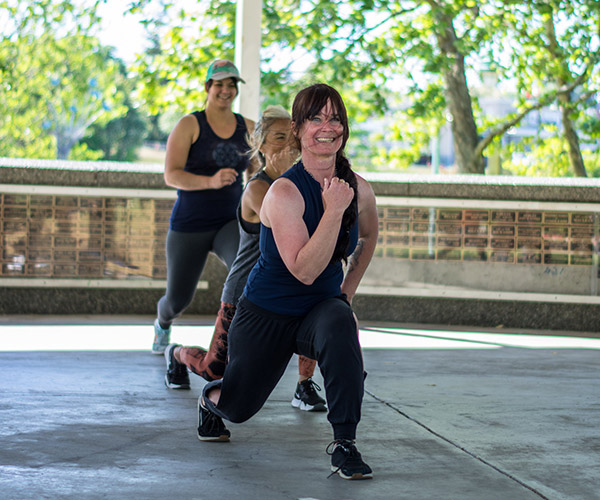
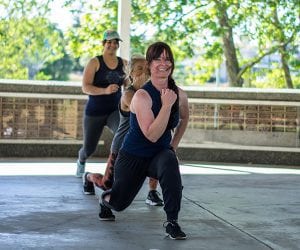 High-Intensity Interval Training, or HIIT, is a training style that alternates harder efforts with periods of rest or easier movement. One of the reasons it became so popular is simple: it can create a challenging workout in a relatively short amount of time.