Keto Diet: What It Is, Potential Benefits and Important Limitations

Keto Diet: What It Is, Potential Benefits and Important Limitations
keto diet, ketogenic diet, health, fitness, Nanaimo, Vancouver Island, weight loss, blood sugar control, nutrient deficiency, keto flu, social challenges, sustainable diet, healthcare professional, balanced nutrition, active lifestyle, wellness community, culinary experiences, health and fitness goals

The ketogenic diet is a very low-carbohydrate, high-fat eating pattern designed to shift the body toward using more fat and ketones for energy.

It can be useful in specific situations, but it is also restrictive and not automatically better than other approaches to healthy eating or weight management.

What Is the Keto Diet?

A typical ketogenic diet keeps carbohydrate intake very low, usually while emphasizing fats and moderate protein.

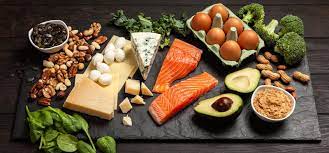
Foods commonly included are:

  • eggs
  • fish
  • meat and poultry
  • non-starchy vegetables
  • nuts and seeds
  • avocado
  • olive oil
  • cheese and other higher-fat dairy
  • small amounts of berries

Foods usually limited include:

  • bread
  • pasta
  • rice
  • cereal
  • potatoes
  • most legumes
  • many fruits
  • sugary drinks
  • sweets

The goal is to keep carbohydrate intake low enough that the body produces ketones and enters nutritional ketosis.

Keto Is Not the Same as “Burning Body Fat”

One of the most common misunderstandings is that being in ketosis automatically means you are losing body fat.

It does not.

On a ketogenic diet, the body burns more fat for fuel because more dietary fat is available and carbohydrate intake is low.

Actual body-fat loss still depends largely on overall energy balance over time.

That is why someone can be in ketosis without necessarily losing weight.

Why Weight May Drop Quickly at First

People often see rapid weight loss during the first week or two of keto.

A significant part of that early drop can be water weight.

When carbohydrate intake falls, the body uses stored glycogen, and glycogen is stored with water.

Longer-term fat loss depends on whether the diet helps you maintain an energy deficit in a way you can sustain.

Potential Benefits

For some people, keto can make appetite easier to manage because higher-fat and protein-rich meals may feel filling.

Some people with type 2 diabetes may also see improvements in blood glucose when carbohydrate intake is reduced.

However, medication needs can change significantly when carbohydrate intake changes, so people with diabetes should not make major dietary changes without medical supervision.

What About Blood Sugar?

Reducing carbohydrate intake can lower post-meal blood glucose.

That can be useful in some people with type 2 diabetes or insulin resistance.

But keto is not the only dietary pattern that can improve blood-sugar management.

Mediterranean-style diets, higher-fibre eating patterns and other approaches can also be effective.

The best option is the one that is medically appropriate and sustainable for the individual.

Keto and Athletic Performance

For lower-intensity activity, some people adapt reasonably well to a ketogenic diet.

For higher-intensity training, however, carbohydrate can be particularly useful because it supports rapid energy production.

That matters for activities such as:

  • HIIT
  • sprinting
  • heavy lifting
  • team sports
  • repeated hard intervals

A very low-carbohydrate diet may not be ideal for everyone with performance goals.

Mental Clarity Claims

Some people report feeling mentally sharper on keto.

Others feel fatigued, foggy or irritable, especially during the transition.

There is not enough evidence to say keto reliably improves mental clarity in healthy adults.

Treat that as an individual experience, not a guaranteed benefit.

The “Keto Flu”

When people drastically reduce carbohydrates, they may experience temporary symptoms such as:

  • fatigue
  • headache
  • dizziness
  • irritability
  • nausea
  • reduced exercise tolerance
  • constipation

This is often called “keto flu,” although it is not an actual infection.

Changes in fluid and electrolyte balance can contribute.

Fibre Can Be Harder to Get

Because many fruits, whole grains and legumes are limited, fibre intake can drop if the diet is not carefully planned.

Low fibre can contribute to constipation and may reduce dietary variety.

If someone chooses keto, vegetables, nuts, seeds and other lower-carbohydrate fibre sources become especially important.

Nutrient Intake Can Become More Limited

Restrictive diets make it easier to miss certain nutrients.

Depending on food choices, a poorly planned ketogenic diet may be low in:

  • fibre
  • folate
  • potassium
  • magnesium
  • some vitamins
  • a variety of plant compounds

This is one reason I would not frame keto as simply “whole foods plus healthy fats.”

It still requires thoughtful planning.

Saturated Fat Matters

Keto can be done with very different food choices.

A diet based heavily on butter, bacon, processed meats and large amounts of saturated fat is not the same as one built around olive oil, nuts, seeds, avocado and fish.

Some people experience significant increases in LDL cholesterol on ketogenic diets.

If you are following keto for an extended period, lipid monitoring with a healthcare professional can be important.

Not Everyone Should Try Keto

Keto may be inappropriate or require close medical supervision for people with certain conditions.

Examples can include:

  • pregnancy or breastfeeding
  • a history of eating disorders
  • some kidney or liver conditions
  • certain metabolic disorders
  • people using glucose-lowering medications

It is especially important to get medical guidance if medications may need adjustment.

Keto and Social Life

The practical side matters too.

Very restrictive eating can be difficult when eating with family, travelling or going to restaurants.

If a diet makes you anxious around food, constantly preoccupied with carbohydrates or unable to participate comfortably in normal social situations, that is worth considering.

Sustainability matters.

Do Artificial Sweeteners Need to Be Avoided?

Not necessarily.

Artificial or non-nutritive sweeteners affect people differently.

Some people find they help reduce added sugar.

Others find very sweet foods maintain cravings.

There is no universal rule that artificial sweeteners must be avoided on keto or that they automatically increase cravings.

Alcohol on Keto

Alcohol is not automatically high in carbohydrate.

Some beverages contain very little carbohydrate, while others contain a lot.

But alcohol can still affect judgment, appetite, sleep and overall health.

It can also affect ketone metabolism.

If you drink, the broader health impact matters more than whether a drink technically “fits keto.”

Can You Do a Moderate-Carb Version Instead?

Yes.

You do not have to choose between keto and a high-carbohydrate diet.

Many people do well with a moderate approach that includes:

  • vegetables
  • fruit
  • whole grains
  • legumes
  • protein
  • healthy fats

This usually offers more flexibility and dietary variety.

For most people seeking general health, strength and sustainable eating habits, I would start there before moving toward an extreme restriction.

What Matters More Than the Diet Label

Whether you eat keto, Mediterranean-style, vegetarian or omnivorous, the foundations still matter:

  • adequate protein
  • vegetables and fruit
  • enough fibre
  • mostly minimally processed foods
  • appropriate calorie intake
  • sleep
  • physical activity
  • consistency

The label matters less than the overall pattern.

Is Keto Right for You?

The best question is not:

“Does keto work?”

It is:

“Is this medically appropriate, sustainable and useful for my goals?”

If the answer is yes, it may be a reasonable tool.

If you hate the restrictions, perform worse, feel socially limited or cannot imagine eating this way long term, another approach will probably serve you better.

For practical support with nutrition habits, movement and lifestyle change, explore Health & Lifestyle Coaching in Nanaimo or the Eight Weeks to Health Coaching Program.

Anti-Inflammatory Eating: What Actually Helps?

Anti-Inflammatory Eating: What Actually Helps?

anti-inflammatory diet, inflammation, chronic inflammation, health, wellness, Nanaimo, Vancouver Island, natural beauty, holistic health, balanced diet, local produce, omega-3 fatty acids, mindful eating, well-being, healthy living, dietary habits, lifestyle, preventive health, vibrant health

Inflammation is part of the body’s normal immune response. It helps us respond to injury and infection. The concern is not inflammation itself, but chronic low-grade inflammation, which can be associated with certain health conditions over time.

Food can influence inflammation, but no single food or “anti-inflammatory diet” can heal the body on its own. The strongest evidence supports an overall eating pattern rich in whole or minimally processed foods, especially vegetables, fruit, whole grains, legumes, nuts, seeds, fish and healthy fats.

What Does “Anti-Inflammatory” Really Mean?

There is no single official anti-inflammatory diet.

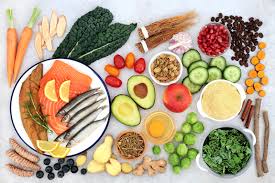
Most recommendations overlap heavily with Mediterranean-style eating:

  • plenty of vegetables and fruit
  • whole grains
  • beans and lentils
  • nuts and seeds
  • olive oil and other unsaturated fats
  • fish and seafood
  • moderate amounts of dairy, eggs and poultry if desired
  • fewer ultra-processed foods and processed meats

This pattern is associated with better cardiovascular and metabolic health and may help reduce some markers of inflammation.

Chronic Inflammation Is More Complex Than Food

Chronic inflammation is influenced by many factors, including:

  • smoking
  • sleep
  • physical activity
  • chronic stress
  • body composition
  • some infections
  • autoimmune or inflammatory conditions
  • overall dietary pattern

That is why it is too simplistic to say one food “causes inflammation” or another one “heals” it.

Foods That Can Support an Anti-Inflammatory Eating Pattern

Vegetables and Fruit

Colourful vegetables and fruit provide fibre, vitamins, minerals and many plant compounds.

Aim for variety rather than chasing a single “superfood.”

Good options include:

  • leafy greens
  • broccoli
  • peppers
  • tomatoes
  • berries
  • citrus fruit
  • apples
  • cherries

Whole Grains

Whole grains provide fibre and nutrients that are often removed during refining.

Examples include:

  • oats
  • brown rice
  • barley
  • quinoa
  • whole-grain bread
  • whole-wheat pasta

Refined grains are not automatically inflammatory, but replacing some of them with whole grains can improve overall diet quality.

Legumes

Beans, lentils and chickpeas are excellent sources of fibre and plant protein.

They are useful for:

  • soups
  • salads
  • curries
  • grain bowls
  • pasta sauces

You do not need to eat vegetarian to benefit from adding more legumes.

Nuts and Seeds

Nuts and seeds provide unsaturated fats, fibre and minerals.

Examples include:

  • walnuts
  • almonds
  • chia seeds
  • flaxseeds
  • pumpkin seeds

A small handful can work well as a snack or addition to oatmeal, yogurt and salads.

Fish and Omega-3 Fats

Fatty fish such as salmon, sardines, trout and mackerel provide omega-3 fats.

These fats have important roles in cardiovascular health and inflammatory pathways.

You can also get plant-based omega-3 fats from foods such as flax, chia and walnuts.

Olive Oil and Other Unsaturated Fats

Extra-virgin olive oil is commonly associated with Mediterranean-style eating.

Other useful fat sources include:

  • avocado
  • nuts
  • seeds
  • canola oil
  • fish

You do not need to eliminate saturated fat completely, but replacing some saturated fats with unsaturated fats is generally more useful than thinking of foods as simply “inflammatory” or “anti-inflammatory.”

Herbs and Spices

Turmeric, ginger, garlic, cinnamon and herbs can add flavour and plant compounds to meals.

They are worth using because they make food enjoyable and varied.

I would avoid claiming they act like medicine or meaningfully reduce inflammation on their own.

Fermented Foods

Foods such as yogurt, kefir, sauerkraut and kimchi can be part of a nutritious diet.

They may support gut microbial diversity in some people, but it is too strong to say they directly “reduce inflammation” in everyone.

Think of them as one optional piece of a varied diet.

What About Sugar?

High intakes of added sugar can make it easier to consume excess calories and may contribute to poorer metabolic health over time.

But sugar does not need to be treated as a toxin.

The goal is not to avoid every sweet food. It is to keep highly processed, sugary foods from dominating the diet.

What About Red Meat?

Red meat does not need to be banned.

Processed meats such as bacon, sausages and deli meats are generally worth limiting more strongly.

If you eat red meat, choose portions and frequency that fit within a varied diet that also includes fish, legumes and plant foods.

What About Dairy?

Dairy is often incorrectly placed on “inflammatory foods” lists.

For most people, dairy is not inherently inflammatory.

If you tolerate it, foods such as yogurt, milk and cheese can provide protein, calcium and other nutrients.

If you personally notice digestive or other symptoms with dairy, that is a separate issue worth discussing with a healthcare professional.

What About Gluten?

Gluten is another food component that often gets blamed for inflammation.

People with celiac disease need to avoid gluten.

Some people may have other forms of gluten or wheat sensitivity.

But for the general population, there is no good reason to eliminate gluten solely to “reduce inflammation.”

Hydration Matters, but Water Does Not “Flush Out Inflammation”

Water supports normal body function, exercise and digestion.

Stay hydrated, especially when you are active.

But drinking extra water does not detox the body or directly wash away inflammation.

A Simple Anti-Inflammatory Plate

Instead of memorizing long lists, build meals around a simple structure.

Try:

  • half the plate vegetables or fruit
  • a quarter protein
  • a quarter whole grains or other carbohydrate
  • a source of healthy fat

For example:

  • salmon, roasted vegetables and quinoa
  • lentil curry with brown rice
  • Greek yogurt with berries, oats and walnuts
  • chickpea salad with olive oil and whole-grain pita

This is easier to maintain than trying to eat a perfect “anti-inflammatory diet.”

Do You Need Supplements?

Usually not as a first step.

It is generally better to improve the overall food pattern before turning to supplements.

If you are considering high-dose fish oil, turmeric, vitamin D or other supplements, check with a healthcare professional, especially if you take medications or have a medical condition.

Anti-Inflammatory Eating Is About Patterns, Not Perfection

You do not need to eliminate every dessert, restaurant meal or processed food.

What matters most is what you eat most of the time.

A strong foundation includes:

  • vegetables and fruit
  • fibre-rich carbohydrates
  • enough protein
  • healthy fats
  • regular meals
  • enjoyable foods
  • movement
  • sleep
  • stress management

That is much more realistic than chasing a list of “healing foods.”

For more, read Nutrient-Dense Foods, Inflammation and Sustainable Energy.

If you want practical support with eating habits, movement and lifestyle change, explore Health & Lifestyle Coaching in Nanaimo or the Eight Weeks to Health Coaching Program.