
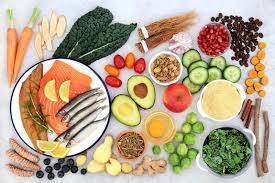
Inflammation is part of the body’s normal immune response. It helps us respond to injury and infection. The concern is not inflammation itself, but chronic low-grade inflammation, which can be associated with certain health conditions over time.
Food can influence inflammation, but no single food or “anti-inflammatory diet” can heal the body on its own. The strongest evidence supports an overall eating pattern rich in whole or minimally processed foods, especially vegetables, fruit, whole grains, legumes, nuts, seeds, fish and healthy fats.
What Does “Anti-Inflammatory” Really Mean?
There is no single official anti-inflammatory diet.
Most recommendations overlap heavily with Mediterranean-style eating:
- plenty of vegetables and fruit
- whole grains
- beans and lentils
- nuts and seeds
- olive oil and other unsaturated fats
- fish and seafood
- moderate amounts of dairy, eggs and poultry if desired
- fewer ultra-processed foods and processed meats
This pattern is associated with better cardiovascular and metabolic health and may help reduce some markers of inflammation.
Chronic Inflammation Is More Complex Than Food
Chronic inflammation is influenced by many factors, including:
- smoking
- sleep
- physical activity
- chronic stress
- body composition
- some infections
- autoimmune or inflammatory conditions
- overall dietary pattern
That is why it is too simplistic to say one food “causes inflammation” or another one “heals” it.
Foods That Can Support an Anti-Inflammatory Eating Pattern
Vegetables and Fruit
Colourful vegetables and fruit provide fibre, vitamins, minerals and many plant compounds.
Aim for variety rather than chasing a single “superfood.”
Good options include:
- leafy greens
- broccoli
- peppers
- tomatoes
- berries
- citrus fruit
- apples
- cherries
Whole Grains
Whole grains provide fibre and nutrients that are often removed during refining.
Examples include:
- oats
- brown rice
- barley
- quinoa
- whole-grain bread
- whole-wheat pasta
Refined grains are not automatically inflammatory, but replacing some of them with whole grains can improve overall diet quality.
Legumes
Beans, lentils and chickpeas are excellent sources of fibre and plant protein.
They are useful for:
- soups
- salads
- curries
- grain bowls
- pasta sauces
You do not need to eat vegetarian to benefit from adding more legumes.
Nuts and Seeds
Nuts and seeds provide unsaturated fats, fibre and minerals.
Examples include:
- walnuts
- almonds
- chia seeds
- flaxseeds
- pumpkin seeds
A small handful can work well as a snack or addition to oatmeal, yogurt and salads.
Fish and Omega-3 Fats
Fatty fish such as salmon, sardines, trout and mackerel provide omega-3 fats.
These fats have important roles in cardiovascular health and inflammatory pathways.
You can also get plant-based omega-3 fats from foods such as flax, chia and walnuts.
Olive Oil and Other Unsaturated Fats
Extra-virgin olive oil is commonly associated with Mediterranean-style eating.
Other useful fat sources include:
- avocado
- nuts
- seeds
- canola oil
- fish
You do not need to eliminate saturated fat completely, but replacing some saturated fats with unsaturated fats is generally more useful than thinking of foods as simply “inflammatory” or “anti-inflammatory.”
Herbs and Spices
Turmeric, ginger, garlic, cinnamon and herbs can add flavour and plant compounds to meals.
They are worth using because they make food enjoyable and varied.
I would avoid claiming they act like medicine or meaningfully reduce inflammation on their own.
Fermented Foods
Foods such as yogurt, kefir, sauerkraut and kimchi can be part of a nutritious diet.
They may support gut microbial diversity in some people, but it is too strong to say they directly “reduce inflammation” in everyone.
Think of them as one optional piece of a varied diet.
What About Sugar?
High intakes of added sugar can make it easier to consume excess calories and may contribute to poorer metabolic health over time.
But sugar does not need to be treated as a toxin.
The goal is not to avoid every sweet food. It is to keep highly processed, sugary foods from dominating the diet.
What About Red Meat?
Red meat does not need to be banned.
Processed meats such as bacon, sausages and deli meats are generally worth limiting more strongly.
If you eat red meat, choose portions and frequency that fit within a varied diet that also includes fish, legumes and plant foods.
What About Dairy?
Dairy is often incorrectly placed on “inflammatory foods” lists.
For most people, dairy is not inherently inflammatory.
If you tolerate it, foods such as yogurt, milk and cheese can provide protein, calcium and other nutrients.
If you personally notice digestive or other symptoms with dairy, that is a separate issue worth discussing with a healthcare professional.
What About Gluten?
Gluten is another food component that often gets blamed for inflammation.
People with celiac disease need to avoid gluten.
Some people may have other forms of gluten or wheat sensitivity.
But for the general population, there is no good reason to eliminate gluten solely to “reduce inflammation.”
Hydration Matters, but Water Does Not “Flush Out Inflammation”
Water supports normal body function, exercise and digestion.
Stay hydrated, especially when you are active.
But drinking extra water does not detox the body or directly wash away inflammation.
A Simple Anti-Inflammatory Plate
Instead of memorizing long lists, build meals around a simple structure.
Try:
- half the plate vegetables or fruit
- a quarter protein
- a quarter whole grains or other carbohydrate
- a source of healthy fat
For example:
- salmon, roasted vegetables and quinoa
- lentil curry with brown rice
- Greek yogurt with berries, oats and walnuts
- chickpea salad with olive oil and whole-grain pita
This is easier to maintain than trying to eat a perfect “anti-inflammatory diet.”
Do You Need Supplements?
Usually not as a first step.
It is generally better to improve the overall food pattern before turning to supplements.
If you are considering high-dose fish oil, turmeric, vitamin D or other supplements, check with a healthcare professional, especially if you take medications or have a medical condition.
Anti-Inflammatory Eating Is About Patterns, Not Perfection
You do not need to eliminate every dessert, restaurant meal or processed food.
What matters most is what you eat most of the time.
A strong foundation includes:
- vegetables and fruit
- fibre-rich carbohydrates
- enough protein
- healthy fats
- regular meals
- enjoyable foods
- movement
- sleep
- stress management
That is much more realistic than chasing a list of “healing foods.”
For more, read Nutrient-Dense Foods, Inflammation and Sustainable Energy.
If you want practical support with eating habits, movement and lifestyle change, explore Health & Lifestyle Coaching in Nanaimo or the Eight Weeks to Health Coaching Program.