Nasal Breathing: What It Does, When It Helps and What the Science Actually Supports
Breathing happens automatically, but the way we breathe can affect comfort, exercise, sleep and body awareness. Nasal breathing has several useful functions, but it is easy to turn it into something more powerful than the evidence supports.
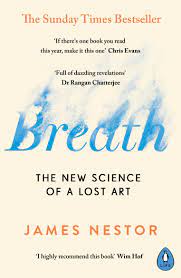
James Nestor’s book Breath helped make breathing practices much more mainstream. It is an engaging introduction to the subject, but some of the broader claims around nasal breathing, athletic performance and health should be treated as interesting possibilities rather than universal facts.
Why We Have a Nose
The nose is designed to prepare incoming air before it reaches the lungs. Nasal passages help filter particles, warm the air and add moisture.
The sinuses and nasal passages also contribute nitric oxide to inhaled air. Nitric oxide has roles in blood-vessel function and respiratory physiology, although this does not mean that nasal breathing by itself dramatically improves cardiovascular health or immunity.
Nasal Breathing and Everyday Life
When you are resting or moving at a relatively easy intensity, breathing through the nose can be a comfortable way to regulate breathing.
Because the nasal passages create more resistance than an open mouth, nasal breathing can naturally encourage a slower breathing pattern. Some people find that this helps them become more aware of their breath and effort.
It should not become another rule you feel you have to follow perfectly.
Nasal Breathing During Exercise
I often use nasal breathing as an intensity-awareness tool.
If I can breathe comfortably through my nose during a walk, hike or cardio session, I know I am probably working at a sustainable intensity. As exercise becomes harder, however, it is completely normal for the mouth to open so the body can move more air.
Trying to force nasal-only breathing during intense exercise is not automatically better.
Does Nasal Breathing Improve Athletic Performance?
This is where many claims become exaggerated.
Breathing practices may help athletes become more aware of pacing, breathing patterns and tolerance to exertion. Some athletes deliberately train with nasal breathing, but it should not be presented as a guaranteed way to increase endurance, recovery or performance.
Training consistently still matters much more than finding a perfect breathing technique.
For more about different exercise intensities, read Aerobic vs. Anaerobic Exercise: What’s the Difference?.
What About Carbon Dioxide Tolerance?
Carbon dioxide is not simply a waste product.
It plays an important role in breathing regulation and acid-base balance. Some breathing practices deliberately use slower breathing or breath holds to change how a person experiences rising carbon dioxide.
That does not mean that everyone should deliberately hold their breath or try to maximize “CO2 tolerance.”
Breath-hold practices should be approached carefully, especially if you become dizzy or have cardiovascular, respiratory or other medical concerns.
Nasal Breathing and Stress
Slower breathing can sometimes help people settle physically and mentally.
But it is the overall breathing pattern—not simply whether air is entering through the nose—that seems most relevant.
Longer, slower breaths and especially a comfortable, unforced exhale may help shift the body toward a calmer state.
Breathing practices can support stress management, but they are not a substitute for appropriate treatment for anxiety, depression or trauma.
For a deeper discussion of breath and the nervous system, visit Breathwork and the Nervous System.
Nasal Breathing and Sleep
James Nestor’s Breath also discusses mouth breathing, snoring and sleep.
There is an important distinction here.
Chronic mouth breathing at night can sometimes be associated with nasal obstruction, allergies, enlarged tonsils, sleep-disordered breathing or other issues.
But simply forcing the mouth closed is not a treatment for sleep apnea.
If you snore heavily, wake gasping, feel excessively sleepy during the day or suspect sleep apnea, seek proper medical assessment rather than relying on breathing exercises or mouth taping.
What About Mouth Taping?
Mouth taping has become popular online as a way to encourage nasal breathing during sleep.
I would not recommend presenting it as a general wellness practice.
If someone cannot comfortably breathe through their nose, taping the mouth shut does not address the reason why.
Before experimenting with sleep-related breathing interventions, it makes more sense to understand whether congestion, anatomy, allergies or sleep-disordered breathing are contributing.
Nasal Breathing Is Not Always Possible
Some people naturally have more difficulty breathing through the nose because of:
- congestion
- allergies
- a deviated septum
- nasal polyps
- structural differences
- respiratory illness
Mouth breathing during hard exercise is also completely normal.
Breathing should support your activity, not become another source of anxiety.
Breathing and Posture
Breathing and movement influence each other, but I would avoid claiming that poor posture causes dysfunctional breathing or that nasal breathing fixes posture.
The rib cage, diaphragm, abdominal muscles and pelvic floor all participate in breathing.
Exploring different positions and noticing where the breath moves can be useful for developing body awareness.
You can read Breath and Body Awareness: A Starting Point for Better Movement for more.
A Simple Nasal-Breathing Practice
Try this when you are comfortable and relaxed.
Sit, stand or walk slowly and allow your lips to close gently.
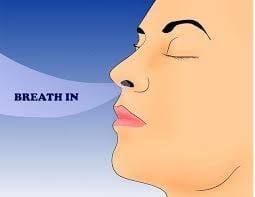
Breathe in through the nose without trying to take the biggest possible breath.
Notice the ribs expand.
Exhale comfortably through the nose.
Continue for a minute or two.
If you become uncomfortable or feel that you need more air, breathe normally.
The goal is awareness, not control.
About Breath by James Nestor
I enjoyed Breath because it made me think more deeply about something we do every minute of every day.
The book explores breathing through history, personal experimentation and scientific research.
I would describe it as a fascinating popular-science book rather than a medical manual.
Some ideas in the book are well supported, while others are more speculative or rely on emerging evidence. It can be a useful starting point for curiosity, but I would not treat every health claim in it as settled science.
 Use Breath as a Tool
 Use Breath as a Tool
Breathing does not need to become complicated.
For me, breath is most useful as a way to notice effort, tension and how I am responding to movement.
Nasal breathing can be a helpful tool during lower-intensity exercise and relaxation, but there is no prize for breathing through your nose every second of the day.
If you are interested in combining breathing awareness with movement, explore Yoga & Mobility Classes in Nanaimo or Personal Training in Nanaimo.