
Juicing: The Benefits, Myths, and Tips for a Healthier Lifestyle
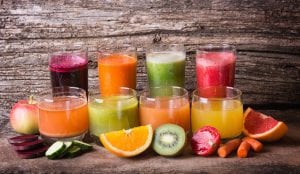
Juicing can be a convenient way to include more fruits and vegetables in your routine, especially if you enjoy fresh juice and find it easier to drink produce than to eat larger amounts of it.
At the same time, juice is not a replacement for whole fruits and vegetables. Whole foods provide fiber, texture and greater fullness, so juicing is best viewed as one option within a balanced way of eating rather than a health cure or detox strategy.
Potential Benefits of Juicing
1. A Convenient Way to Consume Produce
Fresh juice can provide vitamins, minerals and plant compounds from fruits and vegetables in an easy-to-drink form.
If you struggle to include produce in your day, juice can sometimes help increase variety.
2. Hydration
Because juice contains a high percentage of water, it contributes to fluid intake.
That said, water should still be your main source of hydration.
3. Variety
Juicing can encourage you to experiment with vegetables and fruits you might not otherwise use regularly.
For example, you might combine cucumber, celery, leafy greens, carrots, citrus or ginger in different ways.
4. Enjoyment
Nutrition does not need to be complicated.
If you genuinely enjoy fresh juice, it can be part of a healthy lifestyle alongside whole foods, regular meals and movement.
Common Myths About Juicing
Juicing “Detoxes” Your Body
Your body already has systems that process and eliminate waste, including your liver, kidneys, lungs and digestive system.
You do not need a juice cleanse to “remove toxins.”
Juice can be nutritious, but it does not replace the body’s natural detoxification processes.
Juicing Is a Quick Fix for Weight Loss
Juicing is not a magic solution for weight loss.
Liquid calories can also be easy to consume quickly, and juice is usually less filling than eating the same fruits and vegetables whole.
If body composition or weight change is one of your goals, your overall eating pattern, activity level, sleep, stress and habits matter much more than any single food or drink.
Juicing Keeps All the Fiber
Traditional juicing removes much of the insoluble fiber because the pulp is separated from the liquid.
Some soluble fiber may remain, but juice generally contains much less fiber than the whole fruit or vegetable.
If fiber is one of your priorities, smoothies or whole produce may be a better choice.
Tips for Making Juice at Home
Use More Vegetables Than Fruit
Fruit can add sweetness, but using mostly vegetables can help keep the total sugar content lower.
You might try combinations such as:
- cucumber, celery, lemon and ginger
- carrot, orange and ginger
- spinach, cucumber, apple and lemon
- beet, carrot and citrus
Keep Portions Reasonable
Juice can contain the equivalent of several pieces of fruit in a relatively small glass.
You do not need a very large serving to enjoy it.
Drink It Fresh
Fresh juice is best stored cold and consumed relatively soon after making it.
Clean Your Juicer Thoroughly
Juicers have many small parts where food residue can collect, so cleaning the equipment promptly after use is important.
You Do Not Need Everything to Be Organic
If organic produce fits your budget and preferences, that is completely fine.
But you do not need to avoid conventional fruits and vegetables. Eating a variety of produce is generally more important than whether every item is organic.
Juice, Smoothies or Whole Foods?
They each have a place.
Whole fruits and vegetables provide the most fiber and usually offer more fullness.
Smoothies retain most of the fiber because the entire fruit or vegetable is blended.
Juice removes much of the fiber but can be an enjoyable and convenient way to consume a variety of produce.
You do not need to choose only one.
Keep the Bigger Picture in Mind
A healthy lifestyle is built from the overall pattern of what you do consistently.
That can include:
- eating a variety of whole foods
- including fruits and vegetables regularly
- getting enough protein and fiber
- drinking enough water
- staying physically active
- strength training
- getting adequate sleep
- finding habits that are realistic for your life
Juicing can fit into that picture if you enjoy it, but it does not need to become a rule, cleanse or complicated health practice.
If you would like support developing realistic habits around movement, nutrition and everyday health, learn more about Health & Lifestyle Coaching.
A Note About Local Juicing Businesses
The original version of this article recommended specific Nanaimo businesses for juice and juicing equipment. Because local businesses can close, move or change ownership over time, I would remove those recommendations unless you personally know they are still current and still want to endorse them.