Pelvic Floor Health: Why Strengthening Isn’t Always the Answer
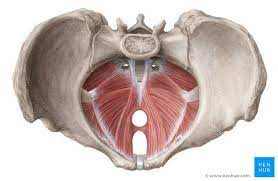
The pelvic floor is a group of muscles that supports the bladder, bowel and reproductive organs and helps with continence, pressure management and sexual function.
Pelvic floor health matters for everyone, but one of the most important things to understand is this: pelvic floor problems are not always caused by weakness.
Sometimes the muscles are weak. Sometimes they are too tense. Sometimes the issue is coordination. That is why doing more Kegels is not automatically the right solution.
What Does the Pelvic Floor Do?
The pelvic floor helps:
- support the pelvic organs
- control urine and bowel movements
- manage pressure when you cough, sneeze, lift or exercise
- contribute to sexual function
- coordinate with the abdominal muscles and diaphragm
Like any other group of muscles, it needs both the ability to contract and the ability to relax.
Signs Your Pelvic Floor May Need Attention
Pelvic floor dysfunction can show up in different ways.
Possible symptoms include:
- urine leakage
- bowel leakage
- pelvic heaviness or pressure
- constipation or difficulty emptying the bowel
- frequent or urgent urination
- pelvic pain
- pain with intercourse
- difficulty relaxing the pelvic floor
Some of these symptoms can occur with weakness, while others may occur when the pelvic floor is overly tense or poorly coordinated.
What Are Kegel Exercises?
Kegels are exercises that involve voluntarily contracting the pelvic floor muscles.
They can be useful for some people, particularly when weakness is contributing to symptoms.
The important part is learning how to contract the correct muscles without unnecessarily squeezing the glutes, inner thighs or holding your breath.
Just as importantly, the muscles need to relax fully between contractions.
More Kegels Are Not Always Better
This is the biggest change I would make from the original version of this article.
If your pelvic floor is already overly tight, repeatedly strengthening it can sometimes make symptoms worse.
A hypertonic pelvic floor may contribute to pelvic pain, constipation, difficulty urinating and pain with intercourse. In these cases, treatment may focus more on relaxation, coordination and reducing excess muscle tension than on strengthening.
That is why an assessment can be so valuable.

Pelvic Floor Physiotherapy
I first saw a pelvic floor physiotherapist during my third pregnancy.
For me, it was eye-opening.
The physiotherapist used biofeedback so I could actually see information about how my muscles were contracting and relaxing. I had heard about Kegel exercises for years, but getting feedback helped me understand whether I was actually using the muscles the way I thought I was.
Pelvic floor physiotherapists can assess strength, tension, coordination and symptoms and help determine whether you need strengthening, relaxation or a combination of both. Biofeedback is one tool that may be used to help people identify and coordinate the muscles more effectively.
Pelvic Floor Health During and After Pregnancy
Pregnancy and childbirth can place significant demands on the pelvic floor.
But postpartum recovery is not only about “getting the muscles strong again.”
Some people need strengthening.
Others may need help relaxing or coordinating the muscles.
Some may benefit from addressing scar tissue, pressure management, breathing, hip strength or returning gradually to impact activities such as running and jumping.
If you experience leaking, heaviness, pain or pressure during pregnancy or postpartum, those symptoms are worth discussing with a pelvic-health physiotherapist or another qualified healthcare professional.
You can also read my experience in Exercising During Pregnancy: My Experience and What Current Guidelines Say.
The Pelvic Floor and Breathing
The pelvic floor does not work in isolation.
It coordinates with the diaphragm and abdominal wall as you breathe and manage pressure.
During a relaxed inhale, the diaphragm moves downward and the pelvic floor generally lengthens slightly.
During the exhale, both move back upward.
That does not mean every exercise requires a rigid breathing formula, but learning to breathe rather than constantly gripping can be helpful.
Pelvic Floor Training and Strength Exercise
You do not necessarily need to isolate the pelvic floor during every workout.
Squats, deadlifts, carries and other strength exercises also require coordinated pressure management through the trunk and pelvis.
The goal is not to squeeze the pelvic floor as hard as possible every time you lift.
Instead, you want enough support for the task while still being able to breathe, move and relax afterward.
What About Devices Like Perifit?
Biofeedback devices such as Perifit use an internal sensor connected to an app to provide feedback during pelvic floor exercises.
Some people enjoy this type of feedback because it turns the exercises into a more structured practice and helps them see changes over time.
But a device cannot determine on its own whether your pelvic floor actually needs more strengthening.
If you have pelvic pain, difficulty relaxing, pain with intercourse, prolapse symptoms, significant urinary or bowel symptoms, or uncertainty about what you should be doing, I would start with a pelvic-health assessment before relying on a strengthening device.
Do You Need a Pelvic Floor Device?
Not necessarily.
Many people can learn pelvic floor exercises without equipment.
A device may be helpful if you enjoy feedback or have trouble staying consistent, but it is a tool, not a requirement.
If you already own one, use it according to the manufacturer’s instructions and stop if it increases pain, pressure or other symptoms.
Pelvic Floor Health Is More Than Kegels
A healthy pelvic floor needs:
- strength when strength is required
- relaxation when relaxation is required
- coordination with breathing
- good pressure management
- the ability to respond to movement and exercise
That is why pelvic floor health is better thought of as function and coordination, not simply how strongly you can squeeze.
When to Get Professional Help
Consider seeing a pelvic-floor physiotherapist or healthcare provider if you experience persistent:
- leaking
- pelvic pain
- heaviness or pressure
- constipation or difficulty emptying
- urinary urgency or difficulty urinating
- pain with intercourse
- symptoms that worsen with exercise
These problems are common, but they are not something you simply have to accept.
If you want help with strength, movement and returning to exercise, learn more about Personal Training in Nanaimo.