Why Work With a Health and Fitness Coach?

Why Work With a Health and Fitness Coach?
Accountability, coach, coaching, why need a coach, hiring a coach, lifestyle coach, life coach, coach nanaimo, coach Vancouver island, transformation coach nanaimo, transformation coach

Making changes to your exercise, nutrition and daily habits can be difficult, especially when you are trying to do everything on your own. A coach can provide structure, accountability and practical support while helping you create goals that fit your actual life.

Coaching does not need to be centered only on weight loss. It can also support strength, energy, consistency, confidence, mobility and healthier routines.

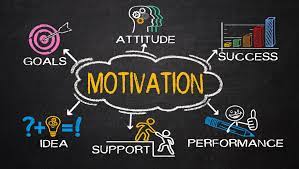
Support and Motivation

One of the biggest benefits of working with a coach is having someone in your corner.

A coach can help you:

  • clarify your goals
  • break them into manageable steps
  • stay consistent when motivation drops
  • adjust the plan when life gets busy
  • notice progress that you might otherwise overlook

Motivation naturally changes from week to week. Coaching can help you rely less on motivation and more on systems and habits.

Accountability

Accountability can make a big difference when you are trying to build new routines.

Knowing that you will check in with someone can help you follow through with workouts, meal planning, walking, sleep habits or other goals you have chosen.

Good accountability should not feel like punishment.

The goal is to help you understand what is working, what is getting in the way and what needs to change.

Personalized Guidance

Generic fitness plans can be useful, but they do not always account for your schedule, experience, injuries, preferences or current fitness level.

A coach can help personalize the process.

That may include:

  • choosing realistic workouts
  • progressing strength exercises
  • adapting exercises around limitations
  • planning movement around your schedule
  • helping you develop sustainable food habits
  • adjusting goals as your needs change

A personalized plan is usually easier to maintain because it is built around your life rather than an idealized routine.

Building Strength and Fitness

If part of your goal is changing body composition, strength training can be especially helpful because it supports muscle development and physical capacity.

You can combine strength work with cardio, walking and mobility depending on your goals.

For more, see Feeling Better With Exercise: Strength, Energy and Overall Health and 10 Benefits of Strength Training.

Nutrition Without Perfection

Nutrition coaching should not be about following an impossibly strict diet.

For many people, the most useful changes are simple:

  • eating regular meals
  • including enough protein
  • eating more fruits and vegetables
  • planning ahead
  • reducing mindless snacking
  • becoming more aware of hunger and fullness
  • finding realistic meals you actually enjoy

The goal is consistency, not perfection.

A coach can help you look at patterns and make practical adjustments without turning food into an all-or-nothing project.

Coaching Is Not the Same as Medical Nutrition Therapy

A fitness or health coach can support general healthy eating habits, but medical conditions and specialized nutrition needs should be addressed by the appropriate healthcare professional, such as a physician or registered dietitian.

That distinction matters.

Good coaching includes knowing when something is outside the coach’s scope.

Confidence and Skill Development

Coaching is not only about being told what to do.

A good coach should help you understand why you are doing something and give you skills you can eventually use on your own.

Over time, you may become more confident with:

  • choosing exercises
  • adjusting a workout
  • understanding effort
  • planning meals
  • recognizing when you need recovery
  • setting realistic goals

The aim is greater independence, not permanent dependence on a coach.

Coaching and Safety

A coach can teach exercise technique, offer appropriate progressions and help you avoid doing too much too soon.

That does not mean coaching can guarantee injury prevention.

Injury risk is influenced by many factors, including training load, recovery, previous injury and health conditions.

If you have significant pain, a recent injury or a medical condition affecting exercise, appropriate medical or rehabilitation guidance may also be needed.

What About Weight Loss?

Some people come to coaching specifically because they want to lose weight.

That is a valid goal, but it does not need to be the only measure of success.

Progress can also look like:

  • becoming stronger
  • having more energy
  • walking farther
  • sleeping better
  • exercising consistently
  • feeling more confident in the gym
  • improving mobility
  • developing a healthier relationship with food and movement

Weight can be one piece of the picture rather than the entire picture.

Why Coaching Can Help With Consistency

Most people already know that movement, nutrition, sleep and recovery matter.

The harder part is turning that knowledge into something you can consistently do.

That is where coaching can be useful.

Instead of constantly starting over, you can build a plan that adapts when life changes.

Health and Lifestyle Coaching in Nanaimo
Accountability, coach, coaching, why need a coach, hiring a coach, lifestyle coach, life coach, coach nanaimo, coach Vancouver island, transformation coach nanaimo, transformation coach

My coaching approach combines practical support around movement, nutrition, habits and mindset.

The goal is not to create a perfect routine.

It is to help you build habits that are realistic enough to continue.

If you want structured support, explore Health & Lifestyle Coaching in Nanaimo or the Eight Weeks to Health Coaching Program.

If your goals are more exercise-specific, you can also learn about Personal Training in Nanaimo.
Core Desired Feelings: A Different Way to Set Intentions and Goals

Core Desired Feelings: A Different Way to Set Intentions and Goals

New Year’s resolutions often focus on what we want to achieve: lose weight, exercise more, earn more, organize the house, change jobs, travel or finally complete something we have been putting off.

Another useful question is:

How do I want to feel while I am living my life?

That question can shift goal setting away from simply accomplishing more and toward understanding what actually matters to you.

What Are Core Desired Feelings?

The idea of Core Desired Feelings was popularized by Danielle LaPorte. Instead of beginning with external goals, you begin by identifying how you want to feel.

You might choose words such as:

  • peaceful
  • connected
  • confident
  • playful
  • grounded
  • free
  • creative
  • strong
  • loved
  • energized

These feelings can then become a filter for decisions and goals.

Start With the Areas That Matter Most

Choose a few areas of life that feel important right now.

For example:

  • relationships
  • health
  • work
  • family
  • creativity
  • finances
  • community
  • personal growth

Then ask yourself:

How do I want to feel in this part of my life?

Try not to choose the word you think you should want. Choose the one that actually feels meaningful to you.

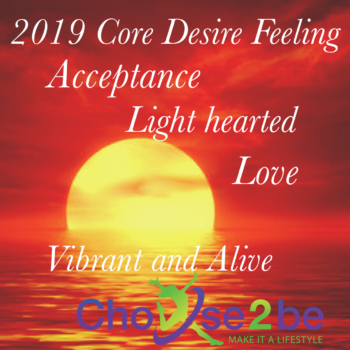
My Core Desired Feelings in 2019

When I originally wrote this article at the end of 2018, I was beginning a three-year therapeutic counselling training program and doing a lot of personal reflection.

At that time, the feelings I chose were:

Acceptance

For me, acceptance meant practicing less resistance to what was already happening.

It did not mean approving of everything, becoming passive or believing that every difficult experience happened for a reason.

It meant trying to see reality more clearly before deciding how I wanted to respond.

Light-Hearted

I wanted more playfulness, ease and humour in my life.

It was a reminder that growth does not always have to feel heavy.

Love

Love meant caring deeply about the people in my life while also learning to bring more kindness toward myself.

Vibrant and Alive

I also wanted to feel energetic, engaged and connected to my body.

That feeling naturally connected with movement, time outdoors and taking care of my health.

Turn Feelings Into Actions

Choosing a word can feel inspiring, but the next step is asking:

What would help me experience more of this feeling in real life?

If you want to feel connected, you might call a friend, join a group or schedule time with family.

If you want to feel strong, you might begin strength training, practice boundaries or take on something that challenges you.

If you want to feel peaceful, you might create more quiet time, reduce unnecessary commitments or practice mindfulness.

The feeling becomes more useful when it leads to behaviour.

Intentions and Goals Can Work Together

You do not have to choose between intentions and measurable goals.

They can support each other.

For example:

Desired feeling: Strong
Intention: Take care of my body consistently.
Goal: Strength train twice each week for the next three months.

Or:

Desired feeling: Connected
Intention: Invest more energy in friendships.
Goal: Reach out to one friend each week.

The feeling gives the goal meaning.

Revisit Your Words Regularly

Your Core Desired Feelings do not need to be permanent.

What you need this year may be completely different from what you needed five years ago.

Write your words somewhere visible and revisit them occasionally.

Ask:

Is this still how I want to feel?
Are my current choices moving me toward that?
Does this word still fit who I am becoming?

Avoid Turning Feelings Into Another Standard to Meet

There is one potential trap with this kind of work.

If your desired feeling is “peaceful,” that does not mean you have failed every time you feel angry or overwhelmed.

If you choose “joyful,” you do not need to force yourself to feel positive when something genuinely hurts.

A Core Desired Feeling can give you direction without requiring you to suppress normal emotions.

Create Your Own Core Desired Feelings

Try this simple exercise:

  1. Choose three important areas of your life.
  2. Write several feelings you would like to experience in each.
  3. Circle the words that keep appearing.
  4. Choose two to four that feel most meaningful.
  5. Ask what actions could support each feeling.
  6. Choose one small step to begin.

You can combine this approach with Goal Setting for Health and Fitness if you want to turn a broader intention into something more concrete.

For practical support around movement, nutrition and sustainable habits, you can also explore Health & Lifestyle Coaching.

When the Work Goes Deeper

Sometimes goal setting brings up more than motivation.

You may notice perfectionism, fear, self-criticism, old beliefs or patterns that make it difficult to move toward the life you want.

That is where counselling can offer a different kind of support.

You can read more about Building the Life You Want through Vancouver Island Holistic Counselling.

Choose Direction, Not Perfection

You do not need to know exactly how the year will unfold.

A few meaningful words can simply help you remember what you want more of and guide some of the choices you make along the way.

The goal is not to feel one way all the time.

It is to keep moving in a direction that feels more aligned with the life you want to create.

Positive Body Image: Learning to Value Your Body Beyond Appearance

Positive Body Image: Learning to Value Your Body Beyond Appearance

Embrace yourself, body positivity, positive body image, self-acceptance, body diversity

Body image can have a powerful influence on how we feel about ourselves. In a culture that constantly promotes narrow ideas about what bodies should look like, it can be easy to believe that happiness, confidence or worth will come once we lose weight, change shape or finally look “good enough.”

One of the ideas that has stayed with me from the documentary Embrace is that our bodies deserve to be valued for much more than appearance. For me, that means shifting the focus toward strength, health, movement, experience and what our bodies allow us to do.

When Weight and Health Are Not the Same Thing

Working in health and fitness has shown me how often people assume that a smaller body automatically means a healthier or happier person. My own life taught me otherwise.

When I was 19, I was seriously injured in a car accident and lost weight while recovering. People commented on how good I looked even though I was physically weaker and recovering from significant injuries. Later, I witnessed someone going through cancer treatment receive similar compliments about weight loss while she was dealing with serious illness.

Those experiences reinforced something important for me: a person’s weight does not tell us the whole story about their health, strength or well-being.

Fitness Does Not Have to Be About Fixing Your Body

Exercise can easily become another way to criticize ourselves: burn more calories, shrink this body part, get rid of that one, or earn the food we eat.

I prefer a different question:

What do I want my body to be able to do?

Maybe you want to feel stronger, hike farther, dance, lift your children, improve your balance, move with less fear, learn a new skill or simply have more energy for your life. Those goals can create a much more supportive relationship with movement.

You may also enjoy Body Composition 101: Why Muscle Matters More Than the Number on the Scale if you want another perspective on measuring fitness progress beyond body weight.

Body Acceptance Does Not Mean Giving Up on Goals

Accepting your body today does not mean you cannot want to become stronger, improve your health or change certain habits.

It simply means you do not have to hate yourself into changing.

You can care for your body because it matters to you rather than because you believe it is unacceptable as it is. Goals built from self-respect often feel very different from goals built from shame.

Questions to Explore

If you notice yourself being very critical of your body, try becoming curious about the voice behind that criticism.

You might ask yourself:

  • How could I speak to myself with more kindness?
  • What do I appreciate about what my body can do?
  • Which beliefs about beauty or body size have I absorbed from other people?
  • What kinds of movement genuinely make me feel good?
  • What would taking care of myself look like if punishment were not part of it?
  • What qualities do I value in myself that have nothing to do with appearance?
  • How would I treat my body differently if I believed it deserved care right now?

There is no need to force yourself to suddenly “love everything” about your body. Sometimes moving from criticism toward neutrality, respect or gratitude is already meaningful progress.

Body Diversity Is Normal

Human bodies naturally come in different shapes, sizes, proportions and abilities. Genetics, age, hormones, pregnancy, injury, illness, lifestyle and many other factors influence how a body looks and changes over time.

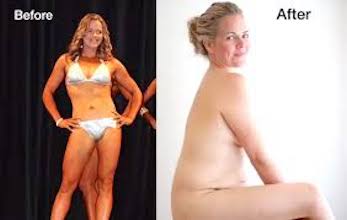
Fitness culture has not always done a good job of acknowledging that diversity. Before-and-after photos and messages about earning a certain body can make people feel as though fitness is only successful if it changes their appearance.

Strength, mobility, endurance, confidence, energy and enjoyment are also forms of progress.

Choose2be Strong, Healthy and Happy

The philosophy behind Choose2be has evolved over the years, but this idea remains important to me: health should support your life rather than become another standard you constantly fail to meet.

Movement can be challenging and still be enjoyable. You can become stronger without trying to punish your body. You can work toward goals while also appreciating where you are today.

If you would like support building strength and confidence through movement, learn more about Personal Training in Nanaimo. If your goals include broader habits around movement, nutrition and well-being, you can also explore Health & Lifestyle Coaching.
When Body Image Goes Deeper

Sometimes body-image struggles are connected to shame, perfectionism, relationships, past experiences or deeply held beliefs about worth. Fitness coaching can support movement and healthy habits, but deeper emotional work belongs in a counselling setting.

For that side of the conversation, you can read Building the Life You Want: Finding Pleasure, Satisfaction, and Meaning on Vancouver Island Holistic Counselling.

Your Body Is More Than Something to Look At

Your body carries you through your life. It adapts, learns, heals, changes and allows you to experience the world.

You do not have to wait until your body looks different before you begin treating it with respect. Becoming stronger and healthier can be meaningful goals, but so can learning to appreciate yourself along the way.