CrossFit vs. Traditional Gym vs. Performance Training in Nanaimo

CrossFit vs. Traditional Gym vs. Performance Training in Nanaimo
CrossFit, Traditional Gym, Prime Performance, Nanaimo, Vancouver Island, Fitness Comparison, Functional Fitness, Community-driven Workouts, High-Intensity Training, Solo Workouts, Group Dynamics, Personalized Training, Holistic Approach, Fitness Technology, Results-driven Fitness, Well-being Community, Fitness Goals, Workout Preferences, Time Commitment, Budget Considerations, Trial Periods, Health and Fitness in Nanaimo.There are many ways to get stronger and fitter in Nanaimo, and the best choice depends on how you like to train.

Some people thrive in coach-led group workouts. Others prefer the independence of a traditional gym. Some want more specialized strength, rehabilitation or athletic-performance support.

This guide compares three common approaches: CrossFit, traditional gyms and performance-focused facilities such as Prime’ Performance & Therapy.

CrossFit: Coach-Led, Varied and Community-Based

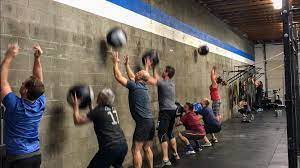
CrossFit combines strength training, conditioning, gymnastics-style movements and weightlifting in structured group classes.

At CrossFit Nanaimo, classes are currently one hour long and typically include a briefing, guided warm-up, strength or skill work, and a workout of the day. Workouts can be scaled for different fitness levels.

CrossFit may appeal to you if you enjoy:

  • training with a group
  • having a coach direct the workout
  • learning new skills
  • varied sessions
  • strength and conditioning combined
  • community and accountability

What CrossFit Does Well

One advantage is structure.

You arrive, the workout is already planned, and a coach leads you through it.

The group environment can also make it easier to stay consistent if you enjoy training with other people.

CrossFit includes a wide range of movements, but “constant variation” does not automatically prevent plateaus. Progress still depends on appropriate programming, recovery and gradually improving strength and skill.

Things to Consider With CrossFit

CrossFit can include demanding movements and higher-intensity conditioning.

Scaling matters.

A good coach should help you modify load, range of motion, complexity and intensity so the session matches your current ability.

If you are brand new to lifting, recovering from an injury or uncomfortable with fast-paced group workouts, you may prefer more individualized instruction at first.

Traditional Gyms: Flexibility and Independence

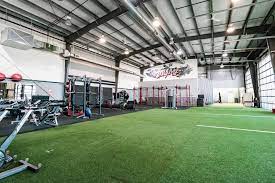
A traditional gym gives you access to equipment and lets you choose what to do.

That may include:

  • free weights
  • resistance machines
  • cardio equipment
  • cable systems
  • functional-training areas
  • group fitness classes

The biggest advantage is flexibility.

You can train when you want, choose your own exercises and spend as much or as little time as you need on each part of your workout.

Who May Prefer a Traditional Gym?

A traditional gym may suit you if you:

  • like exercising independently
  • already know how to build your own workouts
  • want access to a wide range of equipment
  • prefer headphones and your own pace
  • want a lower-cost membership
  • need flexibility around your schedule

The downside is that access to equipment does not automatically give you a good program.

If you find yourself wandering around the gym unsure what to do, some personal training can make that membership much more useful.

Performance-Focused Training

Performance facilities typically combine more individualized coaching with strength and conditioning.

Prime’ Performance & Therapy currently operates in Nanaimo and combines training with services such as physiotherapy, chiropractic, massage therapy and kinesiology. Its training programs currently include adult strength and conditioning, personal training, sports-specific programs, youth training and fitness testing.

That makes it quite different from simply paying for open-gym access.

Prime’ Performance & Therapy

Prime’ currently operates from Island Diesel Way in Nanaimo and offers both therapeutic care and performance training. Its strength-and-conditioning schedule includes adult fitness classes alongside individualized and sport-specific training.

A facility like this may appeal to someone who wants:

  • more individualized coaching
  • strength and conditioning
  • sport-specific development
  • access to rehabilitation professionals
  • a structured progression
  • support returning to activity after injury

Performance Training Is Not Only for Athletes

The term “performance” can sound like it is only for competitive athletes.

It does not have to be.

Performance can mean improving whatever matters to you:

  • hiking farther
  • lifting more confidently
  • moving better
  • returning to sport
  • getting stronger with age
  • improving speed or agility

The level of specialization depends on the facility and coach.

How Personal Training Fits In

Personal training sits somewhere between a traditional gym and a fully specialized performance facility.

You get individualized programming and coaching without necessarily needing a large gym environment.

That can be useful if you want help with:

  • exercise technique
  • strength progression
  • mobility
  • balance
  • returning to activity
  • accountability

My Personal Training in Nanaimo is offered in a private training space as well as through in-home sessions.

CrossFit vs. Personal Training

CrossFit gives you:

  • group energy
  • a planned class
  • regular coaching
  • varied training

Personal training gives you:

  • a program built specifically around you
  • more time for technique
  • easier modification around injuries or limitations
  • control over pacing
  • individualized progression

Neither approach is universally better.

They simply solve different problems.

Traditional Gym vs. Personal Training

A gym membership is usually less expensive and gives you more independence.

Personal training gives you more guidance.

Some people use both: they see a trainer periodically and then complete additional workouts independently at a gym.

That can be a practical middle ground.

How to Choose

Ask yourself:

Do I want a coach every workout?

If yes, CrossFit or another coached group program may appeal to you.

Do I enjoy exercising on my own?

A traditional gym may give you everything you need.

Do I have specific performance, injury-recovery or sport goals?

A specialized strength-and-conditioning or performance facility may be worth exploring.

Do I want individualized attention without a crowded gym?

Private personal training may be the better fit.

Budget Matters Too

Different models have different costs.

Traditional gym memberships are often the least expensive because you are primarily paying for access.

Coach-led classes generally cost more because instruction is included.

One-on-one personal training or specialized performance coaching usually costs more per session because the service is individualized.

Compare what you actually receive rather than simply comparing membership prices.

Try Before You Commit

A fitness environment can look great online and still not feel right for you.

Take a tour.

Try an introductory session or class when available.

Notice:

  • whether you feel comfortable
  • whether coaches explain things clearly
  • whether exercises are modified appropriately
  • whether the atmosphere motivates you
  • whether the location and schedule are realistic

The environment you consistently use is more valuable than the theoretically perfect program you avoid.

There Is No Single Best Way to Train

CrossFit, a traditional gym, performance training and personal training can all build fitness.

The key differences are structure, coaching, environment and personalization.

Choose the approach that fits your goals, personality, budget and current level of experience.

For a broader look at local options, read Gyms in Nanaimo: Fitness Centres & Training Options.

If you prefer individualized strength, mobility and functional training, explore Personal Training in Nanaimo or Group Fitness Classes in Nanaimo.
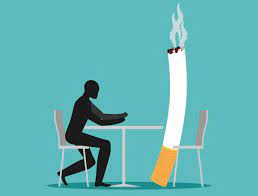
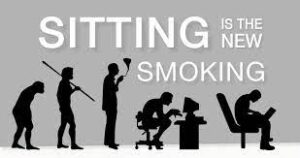
Unveiling the Sedentary Threat: How Sitting Became the NeSitting Too Much: Why Sedentary Time Matters and How to Move More Smoking in Nanaimo

Unveiling the Sedentary Threat: How Sitting Became the NeSitting Too Much: Why Sedentary Time Matters and How to Move More Smoking in Nanaimo

Long periods of sitting are common in modern life, especially for people who work at a desk, drive often or spend a lot of time on screens.

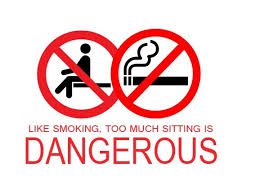
Sitting itself is not the enemy, and the phrase “sitting is the new smoking” is too dramatic. Smoking and sedentary behaviour are very different health risks. A better message is that spending too much of the day inactive can affect health, especially when overall movement and exercise are low.

sedentary lifestyle, sitting is the new smoking, health risks of sitting, Nanaimo, Vancouver Island, posture, muscle loss, joint pain, overall health, mental well-being, outdoor activities, active lifestyle, ergonomic workspace, exercise, holistic well-being, community health, well-being in Nanaimo, movement breaks, active commuting, mindfulness, fitness, wellness

What Does Sedentary Mean?

Sedentary behaviour generally means waking activities that use very little energy while sitting, reclining or lying down.

Examples include:

  • working at a desk
  • driving
  • watching television
  • scrolling on a phone
  • gaming
  • long periods of sitting during travel

The concern is not that sitting for an hour is harmful by itself.

It is the accumulation of long periods of inactivity across the day.

Sitting and Posture

Sitting does not automatically cause “bad posture.”

There is also no single perfect posture you need to hold all day.

The bigger issue is staying in one position for too long.

If you sit for hours without changing position, you may feel stiff or uncomfortable simply because your body has not had much movement.

Instead of trying to sit perfectly upright all day, change positions often.

You can read How to Check Your Posture: A Simple Guide to Better Alignment for more.

Sitting and Muscle Strength

Sitting does not instantly make muscles weak.

But if most of your day is inactive and you are not strength training or moving regularly, you may gradually lose strength and physical capacity.

That is especially important as we age.

Strength training, walking, stairs, carrying, hiking and other regular movement help maintain muscle and function.

Sitting and Joint Stiffness

Many people notice that hips, knees or the lower back feel stiff after sitting for a long time.

That does not mean the joints are being damaged.

Often, movement simply makes them feel better.

Standing up, walking, changing position or doing a few mobility exercises may help reduce that feeling of stiffness.

Sedentary Time and Overall Health

Higher levels of sedentary behaviour are associated with poorer health outcomes, particularly when physical activity is also low.

Regular movement and exercise can help support:

  • cardiovascular health
  • blood-sugar regulation
  • physical function
  • strength
  • endurance
  • overall well-being

This is another reason not to think of exercise as something that only happens during a one-hour workout.

What you do during the rest of the day matters too.

Can Exercise Make Up for Sitting?

Exercise helps a lot.

Someone who sits for work but also regularly walks, strength trains and meets physical-activity recommendations is in a very different position from someone who is both highly sedentary and inactive.

That said, even active people may benefit from breaking up very long periods of sitting.

You do not need to panic about your desk job.

Just build more movement into the day.

Movement Breaks

A movement break does not need to become a workout.

Every 30–60 minutes, if practical, try:

  • standing up
  • walking for a minute or two
  • doing a few squats
  • climbing a flight of stairs
  • rolling the shoulders
  • moving the hips
  • stretching the calves
  • walking while taking a phone call

The exact exercise matters less than changing position and moving.

Set Up Your Workspace for Variety

Ergonomics can help make work more comfortable, but no chair or desk setup can replace movement.

Instead of searching for the one perfect position, give yourself options.

You might alternate between:

  • sitting
  • standing
  • walking during calls
  • working at a different surface
  • changing chair position

A standing desk can be useful, but standing still all day is not the goal either.

Variety is.

Walk More Without Making It Complicated

Walking is one of the simplest ways to reduce sedentary time.

You can:

  • park farther away
  • take a short walk at lunch
  • walk after dinner
  • take stairs when practical
  • walk while talking on the phone
  • add a short loop before or after work

In Nanaimo, outdoor movement is easy to combine with daily life.

You can explore Outdoor Workout Spots in Nanaimo for ideas.

Strength Training Matters Too

Breaking up sitting is useful, but it is not a substitute for strength training.

Resistance exercise helps maintain:

  • muscle
  • bone-loading capacity
  • balance
  • functional strength
  • confidence with everyday tasks

Even two or three strength sessions per week can make a meaningful difference.

For more, read 10 Benefits of Strength Training.

Mobility for Desk Workers

If sitting leaves you feeling stiff, try a few simple movements:

  • hip flexor stretch
  • thoracic rotation
  • ankle mobility
  • bodyweight squats
  • shoulder circles
  • cat-cow
  • 90-90 hip rotations

You do not need a 30-minute stretching routine.

A few minutes of movement can be enough to reset how you feel.

What About Mental Health?

Physical activity can support mood and stress management, but I would avoid saying that sitting itself directly causes anxiety or depression.

Mental health is influenced by many factors.

The useful message is that movement can be one supportive part of a broader approach to well-being.

The Goal Is Not to Avoid Sitting

Sitting is a normal part of life.

Rest is important.

The goal is not to become afraid of chairs.

A better goal is to avoid letting one position dominate your entire day.

Sit when you need to.

Stand when you want to.

Walk often.

Strength train.

Move in ways you enjoy.

Build More Movement Into Your Day

sedentary lifestyle, sitting is the new smoking, health risks of sitting, Nanaimo, Vancouver Island, posture, muscle loss, joint pain, overall health, mental well-being, outdoor activities, active lifestyle, ergonomic workspace, exercise, holistic well-being, community health, well-being in Nanaimo, movement breaks, active commuting, mindfulness, fitness, wellness

You do not need a dramatic lifestyle overhaul.

Start with something small:

  • one short walk
  • one movement break each hour
  • two strength sessions each week
  • a few mobility exercises after work

Those small changes can accumulate.

If you want help building a realistic movement routine around your schedule, explore Personal Training in Nanaimo or Group Fitness Classes in Nanaimo.