 Metabolism is the collection of processes your body uses to convert food and stored energy into the energy needed to keep you alive and active.
Even when you are resting, your body uses energy for essential functions such as breathing, circulation, digestion, temperature regulation and tissue repair. The amount of energy your body uses at rest is often referred to as your basal metabolic rate or resting metabolic rate.
Many factors influence how much energy your body uses, including body size, body composition, age, genetics, hormones and activity level.
What Affects Your Metabolism?
Body Size and Composition
Larger bodies generally require more energy to maintain than smaller bodies.
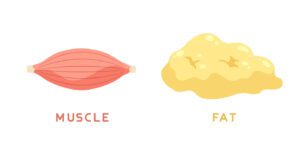
Body composition also matters. Muscle tissue is more metabolically active than fat tissue, meaning it requires somewhat more energy to maintain even at rest.
However, building muscle does not suddenly create an enormous increase in calorie burning. The metabolic effect is relatively modest. The greater benefits of muscle come from helping you become stronger, more capable and more physically active.
Age
As we get older, we may gradually lose muscle mass, particularly if we are inactive and do not regularly challenge our muscles.
This age-related loss of muscle is one reason strength training becomes increasingly important as we get older.
Rather than assuming that your metabolism simply “slows down” with age, it can be more useful to focus on the things you can influence: maintaining muscle, staying active, getting enough sleep and developing sustainable health habits.
How Does Muscle Mass Affect Metabolism?
Muscle requires energy to maintain, so having more lean muscle mass can contribute to a somewhat higher resting energy expenditure.
But the relationship between muscle and metabolism is often exaggerated.
You do not need to build large amounts of muscle to benefit from strength training, and strength training is valuable for far more than simply “burning more calories.”
Building and maintaining muscle can support:
- everyday strength and independence
- balance and stability
- bone health
- physical performance
- confidence with movement
- maintaining function as you age
- the ability to continue doing activities you enjoy
For many people, especially women, there is still a fear that lifting weights will automatically make them bulky. In reality, significant increases in muscle size generally require consistent progressive training over time.
Strength training can be adapted to your goals. You can train to become stronger and more capable without needing bodybuilding to be your objective.
Strength Training as We Age
Maintaining muscle becomes particularly important as we get older.
Loss of muscle mass and strength with aging can affect balance, mobility, independence and how easily we perform everyday activities.
The good news is that our muscles can respond to resistance training throughout adulthood.
Strength training might include:
- dumbbells or barbells
- kettlebells
- resistance bands
- cable machines
- bodyweight exercises
- machines at the gym
- functional exercises such as squats, carries, rows and step-ups
You do not need an elaborate workout program to begin. What matters most is choosing exercises appropriate for your current ability and gradually progressing as your strength improves.
Strength Training Is About More Than Metabolism
It is easy to approach strength training only through the lens of weight loss or calorie burning, but that misses many of its most important benefits.
Being strong can make daily life easier.
It can help you carry groceries, climb stairs, get up from the floor, hike, play with your children or grandchildren, participate in sports and continue doing the things you enjoy as you age.
Instead of asking only, “How many calories does this burn?” it can be useful to ask:
What do I want my body to be able to do?
That question can create a very different relationship with exercise.
Getting Started With Strength Training
If you are new to strength training, start with a manageable amount and focus on learning good movement patterns.
A balanced program might include movements such as:
- squatting or sitting and standing
- pushing
- pulling
- hinging at the hips
- carrying
- stepping or lunging
- core and balance exercises
Gradually increase the challenge as your strength and confidence improve.
If you would like individualized support, you can learn more about Personal Training in Nanaimo.
If you enjoy exercising with others, you can also explore Group Fitness Classes in Nanaimo.
Build Strength for the Life You Want to Live
Muscle mass is one factor that influences how much energy your body uses, but the benefits of strength training go much further than metabolism.
Building and maintaining strength can support mobility, independence, confidence and your ability to stay active throughout your life.
You do not need to chase a faster metabolism or a particular body type.
Focus instead on becoming stronger, moving well and building habits you can realistically maintain.