
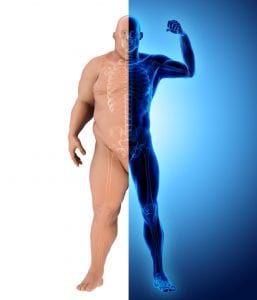
Belly fat is a common concern, but it is important to know that you cannot choose exactly where your body loses fat. Genetics, hormones, age, sleep, stress, nutrition, activity level and overall body composition can all influence where fat is stored. The most helpful approach is usually to focus on sustainable habits that support overall health and body composition rather than chasing a single body area.
1. Doing Only Cardio
Cardiovascular exercise is valuable for heart health, endurance and overall fitness, but it does not need to be the only form of exercise you do. Adding strength training can help you build and maintain muscle, improve physical capacity and support long-term health.
A balanced routine might include walking, cycling, swimming or other cardio alongside resistance training. If you want to learn more about why strength work matters, read 10 Benefits of Strength Training.
2. Thinking More Time at the Gym Is Always Better
Longer workouts are not automatically more effective. A focused 30- to 60-minute session can be very productive when the exercises, intensity and rest periods match your goals.
Circuit training, supersets and interval-style workouts can be useful when you are short on time, but you also do not need to rush every workout. Some strength exercises benefit from longer rest periods, especially when you are lifting heavier loads.
3. Never Progressing Your Workouts
Your body adapts to what you repeatedly ask it to do. If you always use the same resistance, repetitions and intensity, your progress may eventually slow.
Gradual progression might mean increasing the weight, doing more repetitions, improving range of motion, adding another set or choosing a more challenging variation. The goal is not to push as hard as possible every workout. It is to create enough challenge to keep adapting.
4. Relying on Exercise While Ignoring Everyday Eating Habits
Exercise is important, but it cannot completely compensate for eating habits that do not support your goals. At the same time, you do not need to follow a rigid “clean eating” diet or eliminate entire categories of food.
Focus on a sustainable pattern that includes enough protein, fruits and vegetables, high-fiber foods and meals you actually enjoy. If you want broader support with habits around movement and nutrition, you can explore Health & Lifestyle Coaching.
5. Setting Unrealistic Goals
Body composition changes usually take time. Very aggressive goals can create frustration and make it harder to maintain healthy habits.
Instead of focusing only on body weight, consider tracking other forms of progress such as strength, waist measurements, energy, consistency, fitness level and how you feel in daily life. You can also read SMART Goal Setting for Health & Fitness for a more practical way to set goals.
6. Doing Only Ab Exercises
Abdominal exercises can make your core stronger, but they do not selectively remove fat from your stomach. This idea is often called “spot reduction,” and it is not how fat loss works.
Core exercises are still useful for strength and stability, but pair them with whole-body strength training, cardiovascular exercise and sustainable nutrition habits.
7. Not Eating Enough Protein
Protein helps support muscle repair and maintenance and can also contribute to fullness after meals. Your needs depend on your body, activity level, goals and overall eating pattern.
Protein can come from foods such as eggs, dairy, fish, poultry, meat, tofu, tempeh, lentils, beans, nuts and seeds. You do not need an extreme high-protein diet, but including a source of protein regularly can be helpful.
8. Eating Mostly Highly Processed Foods
Processed food is not automatically unhealthy, and there is no need to fear individual foods. The bigger issue is when highly processed, energy-dense foods make up most of the diet and leave little room for foods that provide fiber, protein, vitamins and minerals.
A flexible approach might include mostly minimally processed foods while still allowing room for convenience foods, treats and meals you enjoy.
9. Not Getting Enough Sleep
Sleep can influence appetite, energy, recovery and how motivated you feel to move. Short sleep over time can also make healthy habits harder to maintain.
Instead of treating sleep as a magic fat-loss tool, think of it as one part of the bigger picture. A consistent sleep routine, enough time in bed and good recovery can support your overall health and fitness goals.
Focus on the Bigger Picture
If your goal is to reduce body fat, there is no single exercise, food or trick that targets the belly. The most effective approach is usually a combination of strength training, regular movement, balanced nutrition, adequate sleep and realistic goals.
It can also help to shift the focus from “How do I get rid of belly fat?” to “How do I build a stronger, healthier body and habits I can maintain?”
If you would like individualized support with strength, fitness and body-composition goals, learn more about Personal Training in Nanaimo.