🌟 Dive into the exciting world of family fitness in Nanaimo with Choose2Be! We’re not just about workouts; we’re about crafting memorable family adventures that blend fitness, laughter, and togetherness. From toddlers to grandparents, discover a treasure trove of ideas that promise not just a healthier lifestyle but a whole lot of fun for every generation. Join us on this journey where fitness becomes a family affair, and well-being is woven into the fabric of your everyday life. Let the adventure begin! 🚀💪 #FamilyFitnessNanaimo #Choose2BeActive #FitnessFun
Toddler Trailblazers: Start ‘Em Young!
👶 Backyard Olympics: Transform your backyard into an Olympic arena! From mini hurdles to a makeshift balance beam, create a fun obstacle course for your little ones. It’s a fantastic way to boost their motor skills and keep them active.
👶 Nature Scavenger Hunt: Explore the great outdoors with a nature scavenger hunt. Create a list of items to find, from pinecones to interesting rocks. It’s a playful way to connect with nature while staying on the move.
KidFit Carnival: Energy Unleashed!
👧👦 Bike and Picnic Adventure: Plan a family bike ride to a scenic spot for a picnic. Pack healthy snacks, enjoy the ride, and savor a meal surrounded by nature. It’s a double dose of family bonding and fitness.
👧👦 DIY Ninja Warrior Course: Let your kids unleash their inner ninjas by setting up a DIY Ninja Warrior course in the backyard. Use ropes, hula hoops, and cushions to create challenges that enhance agility and strength.
Teen Tribe Thrills: Empowering Teens
👩👦👦 Beach Volleyball Tournament: Head to the beach for a friendly family volleyball tournament. Feel the sand between your toes, enjoy some friendly competition, and soak up the sun. It’s a great way to boost teamwork and fitness.
👩👦👦 Hiking and Picnic Expedition: Choose a scenic hiking trail and embark on a family hiking and picnic day. Connect with each other while exploring the beauty of Nanaimo’s landscapes. Don’t forget to capture those breathtaking views!
Family Fitness Fiesta: Bonding Beyond Borders
👨👩👧👦 Kayaking Adventure: Explore Nanaimo’s waters with a family kayaking adventure. Paddle together, discover hidden coves, and enjoy the serenity of being on the water. It’s a unique way to blend fitness with nature.
👨👩👧👦 Outdoor Movie Night: Combine fitness and entertainment with an outdoor movie night. Set up a screen in your backyard, choose a family-favorite movie, and enjoy some light exercises like yoga or stretching while watching.
Why Choose2Be for Family Fitness in Nanaimo?
✅ Adventure-Focused Philosophy: Choose2Be believes in the power of adventure to make fitness exciting for families. Our approach is about creating lasting memories through movement.
✅ Inspiration Over Classes: We inspire families to find joy in movement beyond structured classes. It’s about discovering the endless possibilities of staying active together.
✅ Community Connection: Joining Choose2Be’s family fitness adventures means becoming part of a larger community. Share your creative ideas, inspire others, and celebrate the joy of active living.
Start Your Own Family Fitness Adventure: Your Way!
🌐 Explore Our Adventure Ideas: Visit our website for a treasure trove of adventure ideas that suit your family’s interests and energy levels. From outdoor escapades to creative indoor activities, the options are limitless.
🚴♂️ Plan Your Adventure: Create your family fitness adventure bucket list. Whether it’s a weekly biking expedition or a monthly themed day, let your imagination run wild with possibilities.
📸 Share Your Adventures: Join the Choose2Be community by sharing your family fitness adventures on social media. Use #FamilyFitnessAdventure and inspire others to embark on their own creative journeys.
The Adventure Awaits!
In Nanaimo, the adventure of family fitness with Choose2Be is not just a destination; it’s a thrilling journey filled with laughter, learning, and love. Start your family’s fitness adventure today, and let the joy of movement become a cherished part of your family story. 🌈👨👩👧👦✨ #FamilyFitnessAdventure #Choose2BeActive #NanaimoWellness
A new year can be a useful time to reflect on what you want to change, but goals do not have to be about losing weight, exercising harder or completely reinventing yourself.
A more sustainable approach is to ask two questions:
What do I want to work toward? How do I want to feel while I am doing it?
That combination can make goals feel more meaningful and easier to maintain.
Start With How You Want to Feel
One idea I have found useful is identifying the feelings you want more of in your life.
That might include:
strong
calm
energized
grounded
playful
confident
adventurous
connected
These are sometimes called Core Desired Feelings.
The point is not to replace practical goals with vague emotions. It is to use those feelings to help shape goals that actually fit the life you want.
For example, if you want to feel stronger, your goal might be two strength-training sessions per week.
If you want to feel more grounded, your goal might be a regular walk, yoga practice or five quiet minutes before bed.
Make Goals Specific Enough to Act On
Goals work better when they are clear.
Instead of:
“I want to get healthier.”
Try:
“I will strength train twice a week for the next eight weeks.”
Instead of:
“I need to exercise more.”
Try:
“I will walk for 20 minutes after dinner three times a week.”
Specific goals give you something you can actually follow.
The core is much more than the visible abdominal muscles.
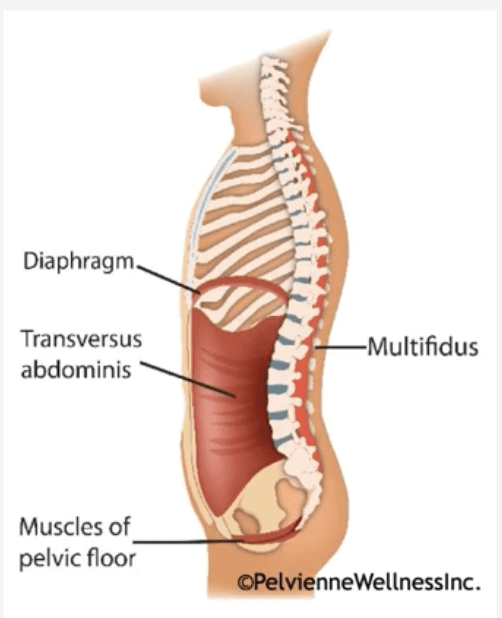
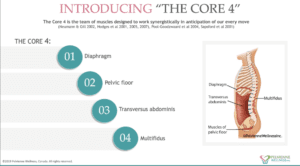
Four important components often discussed together are the diaphragm, pelvic floor, transverse abdominis and multifidus. These structures work together during breathing, lifting, balance and everyday movement.
The idea is useful, but the body is more complex than a four-muscle system, and these muscles do not always contract in one fixed sequence.
The Diaphragm
The diaphragm is the primary muscle of breathing.
When you inhale, it descends and the rib cage expands.
That movement influences pressure inside the abdomen and coordinates with the abdominal wall and pelvic floor.
The diaphragm also interacts with surrounding tissues, including structures near the lumbar spine and psoas, but I would avoid turning that anatomical relationship into claims that one muscle directly “controls” another.
The Pelvic Floor
The pelvic floor is a group of muscles at the base of the pelvis.
It contributes to:
bladder and bowel control
support of the pelvic organs
sexual function
pressure management
coordination with breathing and movement
A healthy pelvic floor needs more than strength.
It also needs timing, endurance, coordination and the ability to relax.
The transverse abdominis, or TVA, is one of the deeper abdominal muscles.
It wraps around the torso and contributes to trunk control and pressure management.
It is sometimes called an “internal corset,” but that analogy can be misleading if it makes people think the abdomen should stay pulled in all day.
The TVA is one part of a larger core system.
The Multifidus
The multifidus muscles run along the spine.
They help control movement between the vertebrae and contribute to spinal stability.
They work together with many other back and trunk muscles rather than acting as a single spinal “stabilizer switch.”
How the Core 4 Works Together
These muscles coordinate rather than functioning independently.
During breathing, for example, the diaphragm moves, the pelvic floor responds, and the abdominal wall changes tension.
During lifting or exercise, that coordination may become firmer to help manage pressure and create trunk stability.
The exact pattern depends on the task.
There is no single universal rule such as:
inhale = pelvic floor lifts and TVA contracts
The coordination is more dynamic than that.
Inhale and Exhale
A relaxed inhale generally allows the diaphragm to descend and the pelvic floor to lengthen slightly.
During exhalation, the diaphragm rises and the pelvic floor may recoil upward.
During harder effort, however, the pattern can change depending on load, breathing strategy and the person.
That is why rigid breathing cues do not work for everyone.
Core Stability Is Not the Same as Constant Tightness
A strong core does not mean holding your stomach in all day.
Good core function means being able to create enough tension when needed and then relax afterward.
That applies to:
lifting
carrying
running
balance
yoga
hiking
everyday tasks
Pelvic Floor Dysfunction
Pelvic-floor dysfunction can involve weakness, excessive tension, poor coordination or a combination of these.
Symptoms may include:
urinary leakage
bowel symptoms
pelvic heaviness or pressure
pelvic pain
pain with intercourse
difficulty relaxing
difficulty with bladder or bowel emptying
Low back pain and pelvic-floor dysfunction can sometimes occur together, but I would remove the claim that 95% of women with low back pain have pelvic-floor dysfunction unless you have a very strong, specific source for that exact population and statistic.
That number is too strong to use as a general fact.
Pelvic Floor Risk Factors
Some factors are associated with pelvic-floor problems, including:
pregnancy and childbirth
aging
chronic coughing
constipation
some surgeries
connective-tissue differences
repetitive high-pressure tasks
certain neurological or medical conditions
I would remove BMI under 25 from the list.
That does not belong there as a general risk factor.
I would also avoid presenting posture or heavy lifting as simple direct causes.
Does Heavy Lifting Damage the Pelvic Floor?
Not automatically.
Heavy lifting increases pressure demands, but many people can lift safely with good technique, appropriate progression and proper pressure management.
The problem is not that lifting itself is bad.
The question is whether the load matches the person’s capacity and whether symptoms such as leaking, heaviness or pain are appearing.
Core Training Should Be Broader Than Isolation
You do not need to isolate each Core 4 muscle in every workout.
A balanced program might include:
dead bugs
bird dogs
carries
side planks
squats
deadlifts
Pallof presses
bridges
breathing drills
mobility work
These exercises challenge the core as a coordinated system.
What About Kegels?
Kegels can be useful when pelvic-floor weakness is part of the problem.
But they are not right for everyone.
If the muscles are already overactive or difficult to relax, more squeezing may make symptoms worse.
That is why assessment matters.
What About TVA “Activation”?
It can be helpful to learn how the lower abdomen feels when the TVA engages.
But you do not need to consciously “turn on” the TVA before every movement.
The nervous system recruits core muscles automatically during most activities.
Training should help the body become more adaptable, not make you dependent on constant conscious activation.
Multifidus Exercises
Exercises such as bird dog, carries, squats, hinges and controlled spinal movements can all challenge the multifidus and surrounding trunk muscles.
You do not need to obsess over whether you can “feel” the multifidus contracting.
Functional strength comes from coordination across the system.
Breath and Core Training
Breathing can be a useful way to improve body awareness.
Try noticing whether you:
hold your breath unnecessarily
grip the abdomen all day
bear down during effort
lose control when the load increases
That information can help you choose a better strategy.
When to See a Pelvic-Floor Physiotherapist
A pelvic-floor physiotherapist can be especially useful if you experience:
leaking
pelvic pressure or heaviness
pelvic pain
pain with intercourse
constipation or difficulty emptying
postpartum symptoms
symptoms that worsen with exercise
They can assess whether the issue involves weakness, tension, coordination or something else.
The Core Is a System, Not Four Muscles
The “Core 4” is a useful teaching model.
But it is still a simplification.
The diaphragm, pelvic floor, TVA and multifidus are important, yet the core also includes many other abdominal, spinal and hip muscles.
The goal is not to perfectly isolate four muscles.
It is to build a trunk that can breathe, brace, rotate, resist movement and adapt to different demands.
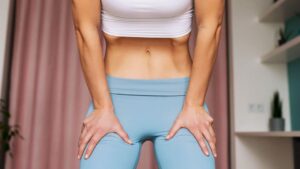
Vacuum exercises are a traditional bodybuilding technique that involve drawing the abdominal wall inward and holding that position briefly. They are often used to improve awareness and control of the deep abdominal muscles, especially the transverse abdominis.
They can be a useful core-awareness exercise, but they are not a magic way to shrink your waist, fix posture, support your organs or create a stronger core on their own.
What Is a Vacuum Exercise?
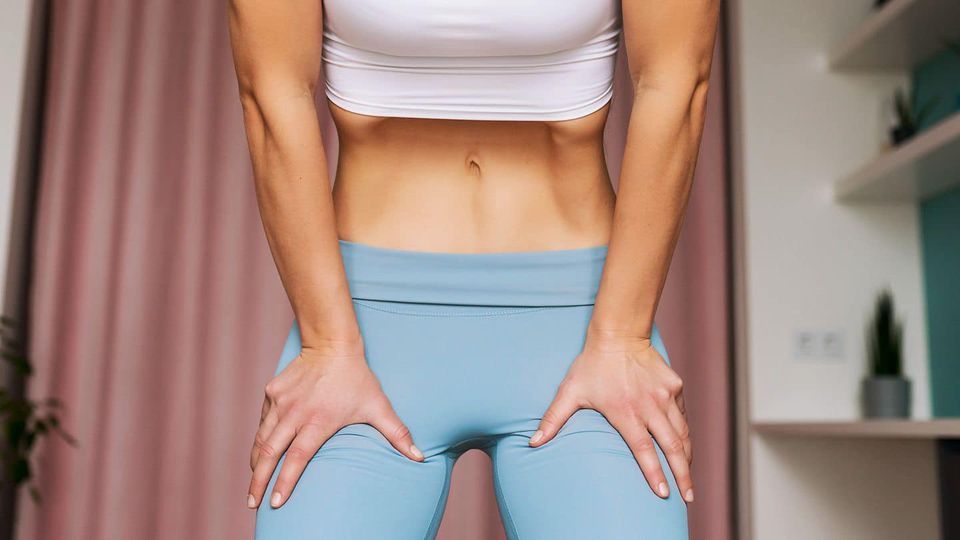
The vacuum exercise usually involves exhaling, then gently drawing the lower abdomen inward as if you were narrowing the waist.
The sensation is different from bracing.
With bracing, you create tension outward in all directions to prepare for load.
With a vacuum, you are creating more of a hollowing or inward-drawing action.
Both can be useful, but they are not the same skill.
What Muscles Are Involved?
Vacuum exercises can increase awareness of the deeper abdominal muscles, especially the transverse abdominis.
That muscle wraps around the trunk and contributes to pressure management and trunk control.
It does not work alone, though.
Core function also involves:
diaphragm
pelvic floor
obliques
rectus abdominis
spinal muscles
hips
breathing mechanics
That is why one exercise should not be treated as the entire solution for core strength.
How to Do a Basic Vacuum Exercise
Start in a comfortable standing, seated or hands-and-knees position.
Exhale gently.
Then draw the lower abdomen inward without forcing or holding excessive tension.
Hold briefly while staying relaxed through the shoulders and neck.
Release and breathe normally.
Start with just a few repetitions.
The goal is control, not the longest possible hold.
Do You Need to Hold Your Breath?
No.
Some traditional bodybuilding versions use a stronger breath hold after exhaling, but that is not necessary for general fitness.
If you become dizzy, lightheaded or uncomfortable, stop.
A gentler version can be practiced while continuing to breathe.
Vacuum Exercise vs. Bracing
This distinction is important.
A vacuum is an inward abdominal contraction.
Bracing is a broader trunk contraction where you create pressure around the torso to support lifting and movement.
If you are deadlifting, squatting or carrying something heavy, bracing is generally more relevant than trying to pull your stomach inward.
They may change how you control and hold the abdominal wall.
But they do not selectively burn abdominal fat.
They also do not permanently change your skeletal structure.
If someone feels their waist looks different after practicing vacuums, that may be related to posture, muscle control or body composition, but the exercise itself is not a guaranteed waist-shrinking technique.
Can Vacuum Exercises Improve Posture?
They may help some people become more aware of trunk position.
That is different from saying they “fix posture.”
Posture is influenced by movement habits, strength, mobility, fatigue, comfort and many other factors.
A stronger core can support movement, but no single abdominal exercise creates ideal posture.
What About “Internal Organ Support”?
I would remove that claim.
Your organs are supported by many structures, including connective tissue, the pelvic floor, the abdominal wall and surrounding anatomy.
Vacuum exercises are not a treatment for organ prolapse or other pelvic health concerns.
If someone has pelvic heaviness, prolapse symptoms or pelvic-floor dysfunction, they should speak with a pelvic-health physiotherapist or healthcare professional.
Vacuum Exercises and the Pelvic Floor
The abdominal wall, diaphragm and pelvic floor all interact during breathing and pressure management.
Because of that, pulling the abdomen inward aggressively is not always appropriate for everyone.
Someone with pelvic-floor tension, prolapse symptoms, postpartum concerns or pain may need a more individualized approach.
A capable core should be able to respond to many different tasks.
Better Core Training Is Varied
A complete core program might include:
bracing
rotation
anti-rotation
flexion
extension
side-bending control
carries
breathing
coordination
You do not need to train all of these in every session.
Variety over time is more useful than obsessing over one “deep core” muscle.
When to Be Cautious
Use extra caution if you have:
pelvic-floor symptoms
recent abdominal surgery
pregnancy
significant hernia concerns
dizziness with breath holding
unexplained abdominal or pelvic pain
If any of those apply, get individualized guidance before using stronger vacuum variations.
A Simple Way to Add Vacuums
You can place them at the beginning of a workout as an awareness drill.
Try:
3–5 gentle repetitions
short holds
relaxed shoulders
no straining
normal breathing between reps
Then move on to more functional core work.
The Bigger Picture
Vacuum exercises can help you feel and control your abdominal wall, but they are not a shortcut to a smaller waist, better posture or injury prevention.
Use them as an awareness tool.
Then build the rest of your core with movement, strength and progressive loading.
There are many ways to get stronger and fitter in Nanaimo, and the best choice depends on how you like to train.
Some people thrive in coach-led group workouts. Others prefer the independence of a traditional gym. Some want more specialized strength, rehabilitation or athletic-performance support.
This guide compares three common approaches: CrossFit, traditional gyms and performance-focused facilities such as Prime’ Performance & Therapy.
CrossFit: Coach-Led, Varied and Community-Based
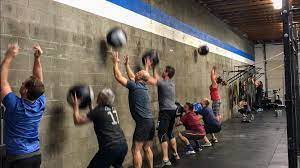
CrossFit combines strength training, conditioning, gymnastics-style movements and weightlifting in structured group classes.
At CrossFit Nanaimo, classes are currently one hour long and typically include a briefing, guided warm-up, strength or skill work, and a workout of the day. Workouts can be scaled for different fitness levels.
CrossFit may appeal to you if you enjoy:
training with a group
having a coach direct the workout
learning new skills
varied sessions
strength and conditioning combined
community and accountability
What CrossFit Does Well
One advantage is structure.
You arrive, the workout is already planned, and a coach leads you through it.
The group environment can also make it easier to stay consistent if you enjoy training with other people.
CrossFit includes a wide range of movements, but “constant variation” does not automatically prevent plateaus. Progress still depends on appropriate programming, recovery and gradually improving strength and skill.
Things to Consider With CrossFit
CrossFit can include demanding movements and higher-intensity conditioning.
Scaling matters.
A good coach should help you modify load, range of motion, complexity and intensity so the session matches your current ability.
If you are brand new to lifting, recovering from an injury or uncomfortable with fast-paced group workouts, you may prefer more individualized instruction at first.
Traditional Gyms: Flexibility and Independence
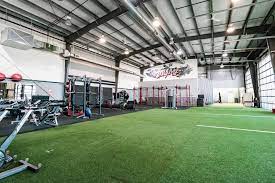
A traditional gym gives you access to equipment and lets you choose what to do.
That may include:
free weights
resistance machines
cardio equipment
cable systems
functional-training areas
group fitness classes
The biggest advantage is flexibility.
You can train when you want, choose your own exercises and spend as much or as little time as you need on each part of your workout.
Who May Prefer a Traditional Gym?
A traditional gym may suit you if you:
like exercising independently
already know how to build your own workouts
want access to a wide range of equipment
prefer headphones and your own pace
want a lower-cost membership
need flexibility around your schedule
The downside is that access to equipment does not automatically give you a good program.
If you find yourself wandering around the gym unsure what to do, some personal training can make that membership much more useful.
Performance-Focused Training
Performance facilities typically combine more individualized coaching with strength and conditioning.
Prime’ Performance & Therapy currently operates in Nanaimo and combines training with services such as physiotherapy, chiropractic, massage therapy and kinesiology. Its training programs currently include adult strength and conditioning, personal training, sports-specific programs, youth training and fitness testing.
That makes it quite different from simply paying for open-gym access.
Prime’ Performance & Therapy
Prime’ currently operates from Island Diesel Way in Nanaimo and offers both therapeutic care and performance training. Its strength-and-conditioning schedule includes adult fitness classes alongside individualized and sport-specific training.
A facility like this may appeal to someone who wants:
more individualized coaching
strength and conditioning
sport-specific development
access to rehabilitation professionals
a structured progression
support returning to activity after injury
Performance Training Is Not Only for Athletes
The term “performance” can sound like it is only for competitive athletes.
It does not have to be.
Performance can mean improving whatever matters to you:
hiking farther
lifting more confidently
moving better
returning to sport
getting stronger with age
improving speed or agility
The level of specialization depends on the facility and coach.
How Personal Training Fits In
Personal training sits somewhere between a traditional gym and a fully specialized performance facility.
You get individualized programming and coaching without necessarily needing a large gym environment.
Long periods of sitting are common in modern life, especially for people who work at a desk, drive often or spend a lot of time on screens.
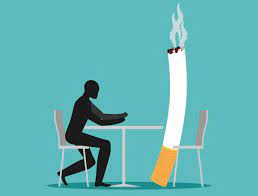
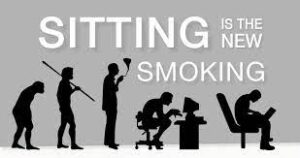
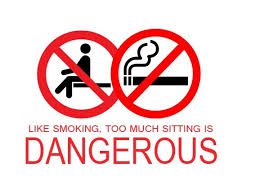
Sitting itself is not the enemy, and the phrase “sitting is the new smoking” is too dramatic. Smoking and sedentary behaviour are very different health risks. A better message is that spending too much of the day inactive can affect health, especially when overall movement and exercise are low.
What Does Sedentary Mean?
Sedentary behaviour generally means waking activities that use very little energy while sitting, reclining or lying down.
Examples include:
working at a desk
driving
watching television
scrolling on a phone
gaming
long periods of sitting during travel
The concern is not that sitting for an hour is harmful by itself.
It is the accumulation of long periods of inactivity across the day.
Sitting and Posture
Sitting does not automatically cause “bad posture.”
There is also no single perfect posture you need to hold all day.
The bigger issue is staying in one position for too long.
If you sit for hours without changing position, you may feel stiff or uncomfortable simply because your body has not had much movement.
Instead of trying to sit perfectly upright all day, change positions often.
But if most of your day is inactive and you are not strength training or moving regularly, you may gradually lose strength and physical capacity.
That is especially important as we age.
Strength training, walking, stairs, carrying, hiking and other regular movement help maintain muscle and function.
Sitting and Joint Stiffness
Many people notice that hips, knees or the lower back feel stiff after sitting for a long time.
That does not mean the joints are being damaged.
Often, movement simply makes them feel better.
Standing up, walking, changing position or doing a few mobility exercises may help reduce that feeling of stiffness.
Sedentary Time and Overall Health
Higher levels of sedentary behaviour are associated with poorer health outcomes, particularly when physical activity is also low.
Regular movement and exercise can help support:
cardiovascular health
blood-sugar regulation
physical function
strength
endurance
overall well-being
This is another reason not to think of exercise as something that only happens during a one-hour workout.
What you do during the rest of the day matters too.
Can Exercise Make Up for Sitting?
Exercise helps a lot.
Someone who sits for work but also regularly walks, strength trains and meets physical-activity recommendations is in a very different position from someone who is both highly sedentary and inactive.
That said, even active people may benefit from breaking up very long periods of sitting.
You do not need to panic about your desk job.
Just build more movement into the day.
Movement Breaks
A movement break does not need to become a workout.
Every 30–60 minutes, if practical, try:
standing up
walking for a minute or two
doing a few squats
climbing a flight of stairs
rolling the shoulders
moving the hips
stretching the calves
walking while taking a phone call
The exact exercise matters less than changing position and moving.
Set Up Your Workspace for Variety
Ergonomics can help make work more comfortable, but no chair or desk setup can replace movement.
Instead of searching for the one perfect position, give yourself options.
You might alternate between:
sitting
standing
walking during calls
working at a different surface
changing chair position
A standing desk can be useful, but standing still all day is not the goal either.
Variety is.
Walk More Without Making It Complicated
Walking is one of the simplest ways to reduce sedentary time.
You can:
park farther away
take a short walk at lunch
walk after dinner
take stairs when practical
walk while talking on the phone
add a short loop before or after work
In Nanaimo, outdoor movement is easy to combine with daily life.


 👶 Backyard Olympics: Transform your backyard into an Olympic arena! From mini hurdles to a makeshift balance beam, create a fun obstacle course for your little ones. It’s a fantastic way to boost their motor skills and keep them active.
 👩👦👦 Beach Volleyball Tournament: Head to the beach for a friendly family volleyball tournament. Feel the sand between your toes, enjoy some friendly competition, and soak up the sun. It’s a great way to boost teamwork and fitness.
 👨👩👧👦 Kayaking Adventure: Explore Nanaimo’s waters with a family kayaking adventure. Paddle together, discover hidden coves, and enjoy the serenity of being on the water. It’s a unique way to blend fitness with nature.
 There are many ways to get stronger and fitter in Nanaimo, and the best choice depends on how you like to train.