Choose2be Yoga School: Our First 200-Hour Yoga Teacher Training in 2018
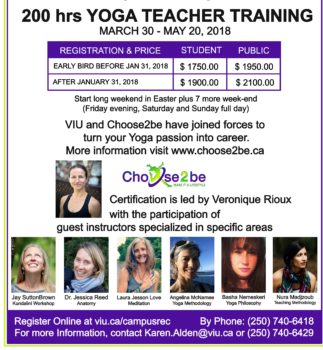
In spring 2018, Choose2be partnered with Vancouver Island University Campus Recreation to offer its first 200-hour Yoga Teacher Training in Nanaimo. This program brought together a diverse group of teachers with backgrounds in yoga, anatomy, meditation, communication, breathwork, philosophy and movement.
This page now serves as part of the history of Choose2be Yoga School. The dates and workshops below describe the 2018 training and are not a current course schedule.
“This is one of the best 200-hour teacher training programs I have seen! Such high-calibre teachers—so diverse, interesting and important material.”
— Lindsay J. Campa, Yoga Therapist
The Beginning of Choose2be Yoga Teacher Training
The 2018 program ran from March 30 to May 20 and included approximately 180 instructional hours plus 20 hours of homework and independent study.
My goal was to create more than a training focused only on learning yoga poses. I wanted students to deepen their own practice while developing the skills and confidence to guide other people.
The curriculum included yoga philosophy, anatomy, asana, pranayama, meditation, mantra, sequencing, teaching methodology and practice teaching. Guest instructors brought different areas of expertise so students could learn from several perspectives rather than only one teacher.
A Collaborative Approach to Teacher Training
One of my favourite parts of creating this program was bringing together teachers with very different backgrounds.
The 2018 faculty and guest workshops included areas such as:
- anatomy and anatomical variation
- yoga teaching methodology
- Nonviolent Communication
- meditation and restorative yoga
- yoga philosophy
- Kundalini yoga
- breathwork
- movement and dance
- yoga therapy
- sequencing, cueing and assisting
That collaborative model continues to influence the way I think about Yoga Teacher Training today.
Anatomy and Individual Bodies
Dr. Jessica Reed taught anatomy with a focus on bones, muscles and how anatomical differences can affect yoga postures.
One of the important ideas explored in the program was that bodies are not all built exactly the same. Yoga does not need to look identical from one person to another, and understanding anatomical variation can help teachers offer more appropriate options.
Teaching Methodology
Several instructors explored the art of teaching yoga, including how to sequence a class, communicate clearly, observe students and adapt movement.
Students also spent time practice teaching throughout the training.
Becoming a yoga teacher involves much more than memorizing poses. It requires learning how to create an experience, communicate safely and confidently, and respond to the people actually standing in front of you.
Communication and Relationships
The program included a workshop based on Nonviolent Communication, developed by Marshall Rosenberg.
Students explored listening, identifying feelings and needs, expressing themselves more clearly and approaching difficult conversations with greater empathy.
I valued including communication skills because teaching is fundamentally relational. Knowing yoga is one part of the job; knowing how to connect with people is another.
Meditation, Philosophy and Breath
The training also included meditation, yoga philosophy and several approaches to breath and awareness.
Different guest teachers introduced students to their own traditions and perspectives. As with any yoga training, students were encouraged to explore the practices, ask questions and develop their own understanding over time.
Breath remains an important part of my teaching today. You can read more in Ujjayi Breath: How to Use Yogic Breathing in Your Yoga Practice.
Movement Beyond Traditional Asana
The 2018 program also explored dance, creative movement, restorative practices and different approaches to embodied learning.
This was important to me then and has become even more important in my work over the years.
My teaching today draws from yoga, mobility, strength training, dance and functional movement. I increasingly see these as complementary tools rather than separate disciplines.
Yoga Therapy and Adaptation
Guest teachers also introduced students to therapeutic and individualized approaches to yoga.
An important lesson was that yoga teachers should understand the limits of their scope. Yoga can be adapted to many bodies and circumstances, but yoga teachers are not automatically healthcare professionals or yoga therapists.
Knowing when to modify, when to refer and when something is outside your training is part of responsible teaching.
The 2018 Graduates
The first Choose2be Yoga Teacher Training cohort holds a special place in the history of the school.
It was exciting to watch students move from their own personal practice into teaching, experimenting, asking questions and developing their own voices.
That first training also taught me a great deal about what I wanted future Choose2be programs to become.
The Next Chapter of Choose2be Yoga Teacher Training
I am now developing the next evolution of the Choose2be Yoga Teacher Training for 2027/2028.
The new program will build on what worked well in earlier trainings while reflecting more than two decades of my experience teaching fitness, yoga and movement.
The developing curriculum is expected to integrate yoga practice and philosophy with anatomy, mobility, functional movement, strength, breathwork, teaching methodology, personal development and plenty of practice teaching.
Rather than recreating the 2018 program exactly, I want the next training to reflect how my own teaching has evolved.
You can learn more about the developing Yoga Teacher Training in Nanaimo and read about my own Yoga Teacher Training journey.
Looking Back and Moving Forward
The first Choose2be Yoga Teacher Training was an ambitious collaborative project, and I remain grateful to the teachers and students who helped bring it to life.
The details on this page are part of that history.
The next chapter will be different, but the central intention remains the same: to help people deepen their practice, understand movement more fully and become thoughtful, confident teachers in their own way.
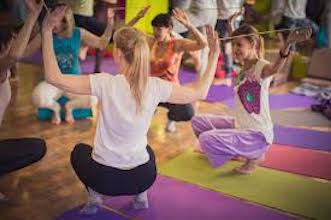
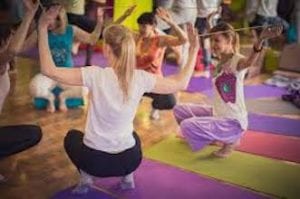
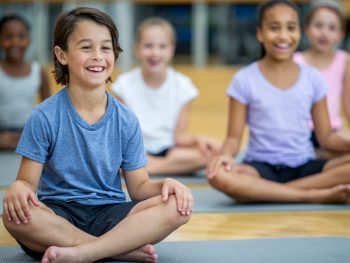
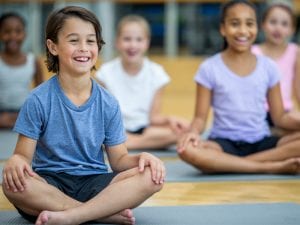 A zoo and farm theme is a playful way to introduce children to yoga through animals, sounds, imagination and movement. This type of class works especially well for toddlers and younger children because familiar animals make the poses easy to understand and fun to remember.