10 Best Calisthenics Exercises to Build and Strengthen Muscles Without Equipment on Vancouver Island and Nanaimo

10 Best Calisthenics Exercises to Build and Strengthen Muscles Without Equipment on Vancouver Island and Nanaimo

Calisthenics exercises are a great way to build muscle and strength, and they require nothing but your own body weight to perform. If you’re looking for effective ways to build and strengthen your muscles without lifting heavy weights or purchasing expensive gym equipment, then incorporating calisthenics exercises into your fitness routine is an excellent option. In this article, we will be discussing the top 10 best calisthenics exercises to build and strengthen your muscles.

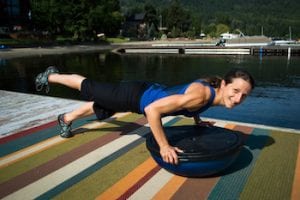
Calisthenics exercises, without equipment, home workoutsPush-ups

Push-ups are an excellent exercise that targets different muscle groups in your body, including your arms, chest, abdomen, hips, and legs. They are easy to perform and require no equipment, making them an excellent option for beginners. To perform a basic push-up, get into a plank position with your hands shoulder-width apart and your feet together. Lower your body until your chest nearly touches the ground, then push yourself back up.

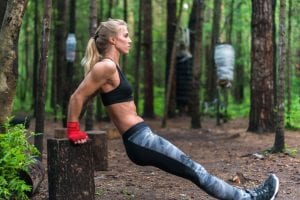
Calisthenics exercises, without equipment, home workoutsDips

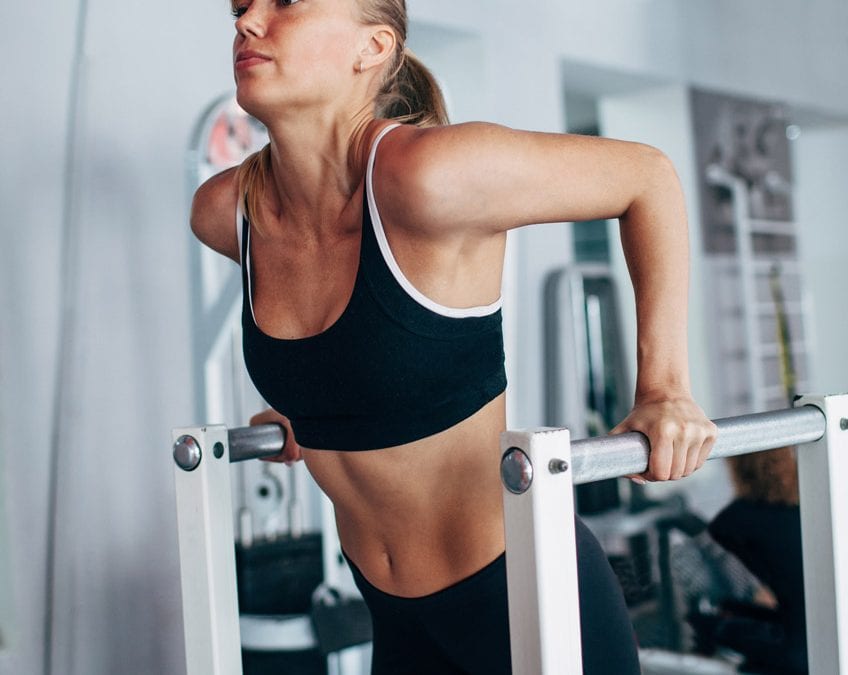
Dips are an excellent upper body workout that targets the muscles in your chest, shoulders, and arms simultaneously. While calisthenics athletes use a dip station, you can use a chair or parallel bars in outdoor parks to practice your dips. To perform a dip, place your hands on the bars or chair and lower your body until your arms form a 90-degree angle, then push yourself back up.

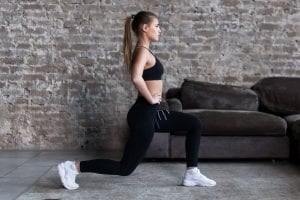
Calisthenics exercises, without equipment, home workoutsLunges

Lunges are a great way to work out your abs, thigh, and butt muscles at the same time. To perform a lunge, stand with your feet hip-width apart and step forward with one foot. Lower your body until your knee is at a 90-degree angle, then push yourself back up and repeat with the other leg.

Planks

Planks are an excellent exercise for building ab muscles and developing core strength. To perform a plank, get into a push-up position, but instead of lowering your body, hold your body straight in a plank position, with your arms straight and your feet together.

Jumping Jacks

Jumping jacks are a simple exercise that targets the muscles in your calves, hips, shoulder, and abdomen, giving you a total body workout. To perform a jumping jack, start with your feet together and your arms at your sides. Jump up and spread your legs apart while simultaneously raising your arms above your head. Jump back to your starting position and repeat.

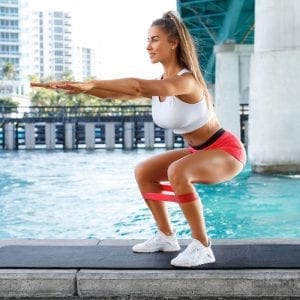
Calisthenics exercises, without equipment, home workoutsSquats

Squats are an excellent exercise that strengthens your legs, butt, hips, thighs, calves, and abdomen. To perform a squat, stand with your feet shoulder-width apart and lower your body as if you were sitting back into a chair, keeping your back straight and your knees over your toes.

Burpees

Burpees are a full-body strengthening exercise that will get you out of breath even just after a few reps. But if you want to build muscle, burpees should be your best friend! This is because every rep targets your arms, chest, quads, glutes, hamstrings, and abs. To perform a burpee, start with your feet shoulder-width apart and your arms at your sides. Lower your body into a squat, then jump back into a plank position. From there, jump forward into a squat and jump up, raising your arms above your head.

Superman

The superman is an essential exercise that will give you a stronger core and strengthen your back muscles. To perform a superman, lie face down with your arms and legs extended. Lift your arms, chest, and legs off the ground simultaneously, then lower back down.

Calisthenics exercises, without equipment, home workoutsPull-ups

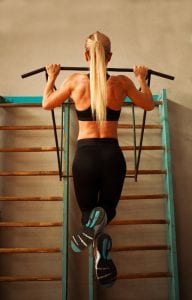
Pull-ups are an exercise that you should be working towards mastering to increase your chest, abdominal, and arm muscles. They also help improve your grip strength. To perform a pull-up, hang from a horizontal bar with your palms facing away from your body and your arms shoulder-width apart. Engage your core muscles and pull your body up towards the bar until your chin is above it. Lower your body back down to the starting position and repeat. Pull-ups can be challenging, especially if you are a beginner, but they are a highly effective exercise for building upper body strength and increasing muscle mass. If you are having trouble performing a pull-up, you can start by doing assisted pull-ups with a resistance band or by using a pull-up machine at the gym. Over time, as you get stronger, you can gradually decrease the assistance and work your way up to doing unassisted pull-ups.

Calisthenics exercises, without equipment, home workoutsChin-ups

 
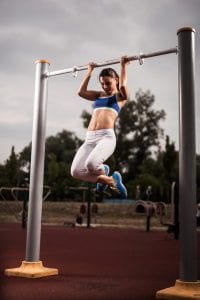
A chin-up is different from a pull-up as it uses an underhand grip on the bar instead of an overhand grip. While chin-ups and pull-ups work the same muscle groups, they target them in different capacities. Strong and Steady These 10 calisthenics exercises are perfect for everyone – from beginners to fitness athletes. You can easily upgrade these exercises to increase their intensity depending on your individual fitness levels.
 

Calisthenics exercises are a great way to build muscle and strength, and they require nothing but your own body weight to perform. If you’re looking for effective ways to build and strengthen your muscles without lifting heavy weights or purchasing expensive gym equipment, then incorporating calisthenics exercises into your fitness routine is an excellent option. In this article, we will be discussing the top 10 best calisthenics exercises to build and strengthen your muscles.
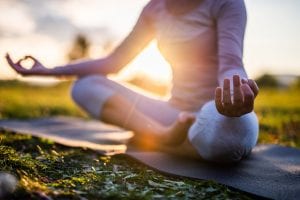
 
Self-Care for Caregivers: Yoga, Meditation and Small Ways to Recharge

Self-Care for Caregivers: Yoga, Meditation and Small Ways to Recharge

Caregivers, meditation caregivers, yoga caregivers, self-care caregivers, wellness caregivers​Caregiving can be deeply meaningful, but it can also be physically and emotionally demanding. When much of your time and energy goes toward supporting someone else, your own needs can easily move to the bottom of the list.
Self-care does not need to mean elaborate routines or hours of free time. Small, realistic practices can help create moments of rest, movement and connection with yourself.

Why Caregivers Need Support Too

Caregivers may experience fatigue, stress, disrupted sleep, physical tension and emotional overload.

Taking care of yourself does not mean caring less about the person you support. It means recognizing that your own well-being matters too.

Sometimes that looks like exercise or meditation. Other times it means asking for help, taking a break, talking with someone you trust or getting professional support.

Meditation for Caregivers

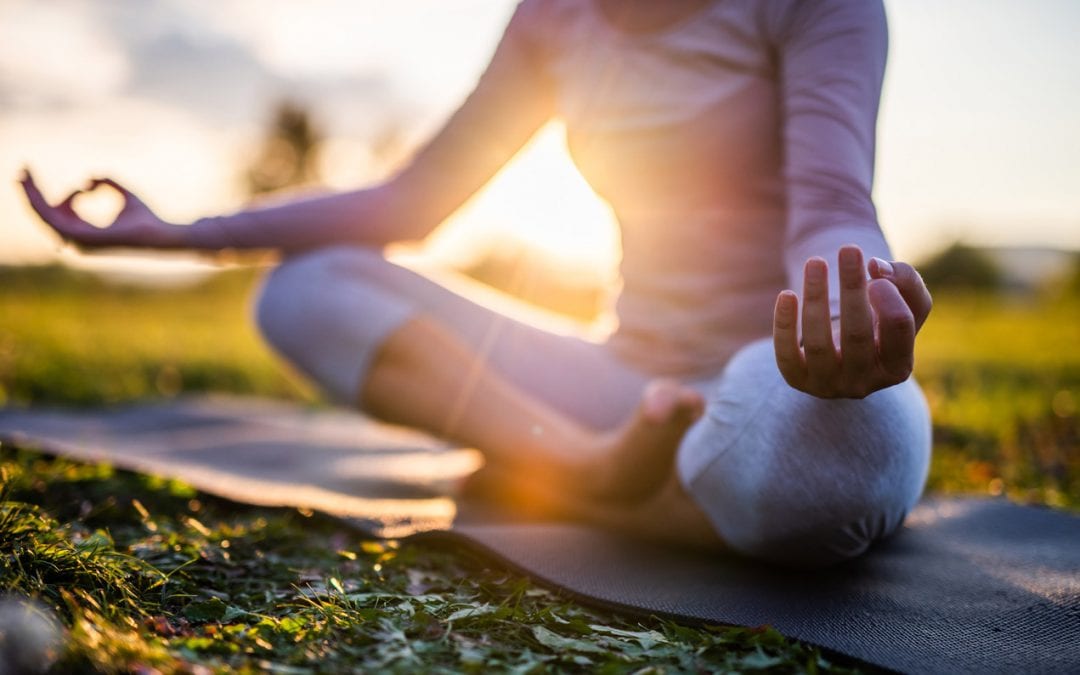
Meditation can be a simple way to pause.

You do not need to stop your thoughts or become perfectly calm. The practice can simply involve noticing your breath, body sensations or surroundings for a few minutes.

Try sitting comfortably and paying attention to one inhale and one exhale at a time.

When the mind wanders, notice it and gently return.

Even a short practice can create a useful transition between responsibilities.

Start With Five Minutes

If you are new to meditation, keep it simple.

Try:

  • five slow breaths
  • a short guided meditation
  • sitting quietly with a cup of tea
  • listening to sounds around you
  • noticing where you are holding tension
  • taking a short phone-free walk

The goal is not to perform self-care perfectly. It is to create a little space.

Yoga as Movement and Recovery

Yoga can offer a combination of mobility, strength, balance and slower movement.

For caregivers who spend time lifting, driving, sitting or helping another person physically, gentle movement may feel especially useful.

A simple practice might include:

  • Cat-Cow
  • shoulder circles
  • gentle side bends
  • Low Lunge
  • supported Forward Fold
  • Chair Pose
  • gentle twists
  • Legs Up the Wall
  • Savasana

Choose movements that feel appropriate for your own body.

Gentle and Chair Yoga

Yoga can also be adapted for older adults or people with limited mobility.

Chair yoga, supported standing poses and simple breathing practices can make movement more accessible.

The important thing is not the complexity of the pose. It is having options that feel safe and manageable.

Self-Care Does Not Need to Be a Spa Day

A bath, tea or relaxing music can be enjoyable, but self-care can also be very practical.

It might mean:

  • going to bed earlier
  • eating a proper meal
  • asking someone else to take over for an hour
  • going for a walk
  • saying no to another responsibility
  • attending a yoga class
  • talking with a counsellor
  • sitting quietly before everyone else wakes up

Sometimes the most useful form of self-care is simply reducing the load.

Movement Can Help, But It Is Not the Whole Answer

Yoga and meditation can support well-being, but they are not cures for caregiver burnout, depression, chronic stress or medical problems.

If caregiving is becoming overwhelming, it may be important to look at practical support too: respite care, family help, community resources, medical support or counselling.

You do not have to solve everything through better breathing or a stronger yoga practice.

Create a Small Caregiver Routine

Choose something small enough that you can actually do it.

For example:

Morning: three minutes of breathing or stretching.
During the day: a short walk outside.
Evening: ten minutes of gentle yoga or quiet time.

A small routine done regularly may be more realistic than waiting for a free hour that rarely arrives.

Mindfulness During Everyday Tasks

You can also practice mindfulness without adding another activity to the day.

While making tea, notice the smell and warmth.

While walking, feel your feet on the ground.

While helping someone else, notice your own breath and shoulders.

These small moments can help bring attention back to what is happening right now.

For more ideas, read Mindfulness: A Simple Practice for Stress, Awareness and Well-Being.

When Caregiving Becomes Emotionally Heavy

Caregiving can bring grief, guilt, resentment, love, exhaustion and many other emotions at the same time.

Yoga and meditation can create space to notice those feelings, but sometimes deeper support is needed.

For counselling support around stress, relationships, boundaries or emotional well-being, you can explore Vancouver Island Holistic Counselling.

Caring for Yourself While Caring for Someone Else

There is no perfect caregiver routine.

Some seasons will allow more time for yourself than others.

The goal is not to eliminate stress. It is to notice your own needs before you become completely depleted and to find small, realistic ways to support yourself along the way.

If movement feels like one of those supports, you can explore Yoga & Mobility Classes in Nanaimo.