Zumba and Dance Fitness: Movement, Music and Joy

Zumba and Dance Fitness: Movement, Music and Joy
Zumba, dance fitness, latino music, body movement

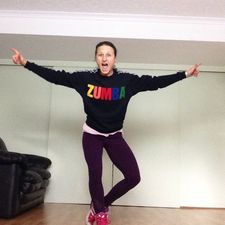
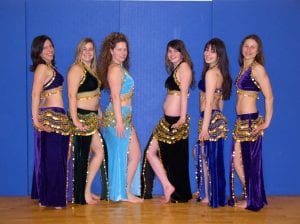
Zumba became an important part of my teaching journey because it brought together two things I already loved: fitness and dance. I came from a background in belly dance and group fitness, so when I discovered Zumba, the combination of music, rhythm and movement immediately made sense to me.

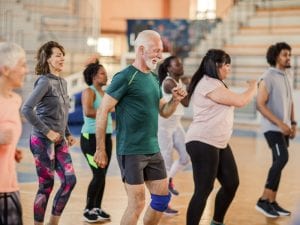
I trained as a Zumba instructor in Montreal in 2007, and over the years I taught classes for university students, seniors, schools, fundraisers and community groups. What I enjoyed most was seeing people move together without needing to be dancers.

What Is Zumba?

Zumba is a dance-fitness format built around music and choreographed movement. Classes often draw from Latin dance styles such as salsa, merengue and cumbia, along with other musical influences.

The appeal is that the workout feels more like dancing than following a traditional gym routine.

For many people, that makes it easier to stay engaged and keep moving.

Why Dance Fitness Can Be So Effective

Dance challenges more than just cardiovascular fitness. It can also develop coordination, balance, rhythm, agility and body awareness.

Because movement patterns change frequently, your brain has to stay involved too. You are listening to music, following cues, shifting directions and coordinating different parts of the body at the same time.

Most importantly, many people find dance enjoyable, which matters because the best type of exercise is often the one you actually want to keep doing.

You Do Not Need to Be a Dancer

One of the biggest barriers people have with dance fitness is feeling like they will not know the steps.

You do not need to get everything right.

When I teach dance, I often encourage people to build the movement from the ground up. Start with the feet, then add the hips, arms and eventually your own style.

You can also make movements smaller, slower or lower impact depending on what works for your body.

Dance and Mood

Movement and music can be a great way to shift energy, connect with other people and step away from everyday stress for a while.

Some participants have told me that dance classes helped them feel better emotionally, but I would not describe Zumba as a treatment for anxiety or depression. It is better understood as an enjoyable form of physical activity that may support overall well-being.

Belly Dance and Body Awareness

My belly dance background has also strongly influenced the way I teach.

Belly dance explores movements through the pelvis, rib cage and torso that many people do not use very often in everyday life. It can be a fun way to develop coordination and discover more possibilities in the body.

If you want to experiment with some of those movements, try Belly Dance Basics: 5 Movements to Build Body Awareness, Coordination and Confidence.

My Relationship With Zumba Today

Zumba was a big part of my teaching for many years, and it helped shape the way I approach group fitness and dance.

My teaching has continued to evolve, and today I bring together different influences from dance, yoga, mobility, strength and functional movement rather than focusing exclusively on one branded fitness format.

You can learn more about my current Dance Classes in Nanaimo and Group Fitness Classes in Nanaimo.

Movement Does Not Have to Feel Like Exercise

One of the things dance taught me is that exercise does not always need to feel like a workout.

Sometimes movement can simply be music, creativity, coordination and having fun with other people.

If dancing gets you moving more consistently, then it can be a valuable part of your fitness routine.

Belly Dance Basics: 5 Movements to Build Body Awareness, Coordination and Confidence

Belly Dance Basics: 5 Movements to Build Body Awareness, Coordination and Confidence

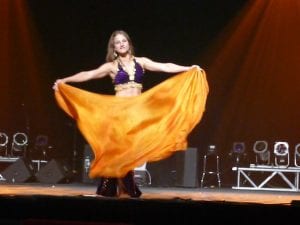
Bellydance, belly dance exercises, basic belly dance movements, torso movements, hip movements, dance services​Belly dance is a playful way to explore movement through the hips, rib cage and torso. It combines rhythm, coordination, mobility and body awareness, and it can be adapted for beginners as well as more experienced dancers.
You do not need dance experience to start. The goal is not to make the movements perfect, but to learn how different parts of the body can move independently and then gradually connect them together.

1. Side-to-Side Slides

Keep your hips or rib cage roughly level and glide gently from one side to the other. Try to avoid leaning the whole body and instead focus on creating the movement through the pelvis or torso.

This is a simple way to practice lateral movement, coordination and control.

2. Forward and Back Slides

Bellydance, belly dance exercises, basic belly dance movements, torso movements, hip movements, dance servicesKeep the movement small and controlled as you shift the hips or rib cage forward and backward.
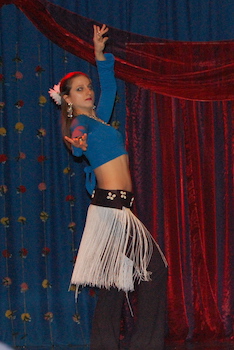
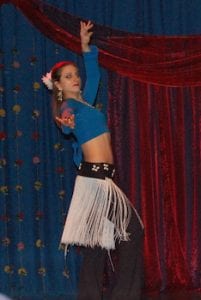
You can practice the pelvis and upper body separately at first. Once the movement feels more natural, try linking it with music and breath.

3. Tilts

Tilting involves lifting one side of the pelvis or rib cage while the other side lowers.

For the hips, a small bend and straighten through the knees can help create the movement. Keep it comfortable and avoid forcing a large range.

Tilts are useful for learning isolation and control through the pelvis and torso.

4. Twists

Twists rotate the hips or rib cage around the vertical axis of the body.

A faster hip twist can become a shimmy variation, while quicker shoulder or rib cage rotations can create another style of shimmy.

Start slowly so you can feel where the movement is coming from, then gradually add speed if it stays relaxed and controlled.

5. Tucks and Releases

Pelvic tucks involve gently changing the position of the pelvis rather than forcefully squeezing the abdomen or glutes.

Think of moving between a small anterior and posterior pelvic tilt. The movement should stay comfortable and coordinated with the breath.

You can also explore a similar in-and-out movement through the rib cage.

Practice With Curiosity

It can help to practice in front of a mirror, but try not to use the mirror only to judge how you look. Use it as feedback for coordination and movement quality.

Keep your knees soft, breathe normally and let your shoulders and face stay relaxed. Music can make the movements easier to feel and much more enjoyable.

Belly dance is a skill, so give yourself time. Some isolations may feel strange at first, and that is completely normal.

Why Belly Dance Can Be a Great Movement Practice

Belly dance can challenge coordination, rhythm, balance, mobility and body awareness while also giving you a creative way to move.

It can also be a nice complement to strength training or yoga because it asks the body to move in directions that traditional gym exercises often do not.

If you enjoy expressive movement, you may also like Spine Undulation: A Gentle Way to Explore Spinal Mobility and Body Awareness.

Explore Dance With Choose2be

I have taught dance and movement in different forms over the years, and I continue to incorporate rhythm, body awareness and expressive movement into my teaching.

You can learn more about Dance Classes in Nanaimo or explore Group Fitness Classes in Nanaimo for current movement options.

Spine Undulation: A Gentle Way to Explore Spinal Mobility and Body Awareness

Spine Undulation: A Gentle Way to Explore Spinal Mobility and Body Awareness

Release back tension, spine undulation, spine movement, Sholin Monk, nerve influx, kundalini energy, Brazilian rotation, deep core muscles

Spinal undulation is a wave-like movement that travels through the spine. It can be used in dance, yoga and mobility practice to explore how different parts of the spine move together.

Rather than thinking of it as a way to “fix” the spine or release every kind of back tension, I prefer to think of it as a movement practice that can help improve body awareness, coordination and comfort with spinal motion.

What Is Spine Undulation?

Spine undulation involves creating a smooth wave through the body by moving through flexion and extension in a controlled way. Depending on the variation, the movement may begin in the pelvis, rib cage, chest or head and then travel through the rest of the spine.

This kind of movement can help you explore areas that may feel stiff or unfamiliar and can be a useful complement to strength training, yoga, dance and mobility work.

Why Practice Spinal Waves?

The spine is designed to move in several directions, including flexion, extension, rotation and side bending. Many of us spend a lot of time in a limited number of positions, especially when sitting for long periods.

Practicing gentle spinal waves can support:

  • body awareness
  • coordination
  • spinal mobility
  • rib cage movement
  • breathing awareness
  • smoother transitions between positions

The goal is not to force a larger range of motion. Move within a range that feels comfortable and controlled.

Spine Undulation in Yoga and Movement

Spinal undulation can show up in many movement practices. In yoga, you may recognize a similar wave-like pattern in Cat-Cow or in transitions between Downward Dog and Upward-Facing Dog.

In dance, body waves often use coordinated movement through the chest, ribs, pelvis and spine. The exact shape may look different depending on the style, but the principle is similar: learning to move one part of the body while staying connected to the whole movement.

If you enjoy this kind of work, you may also like Yoga & Mobility Classes in Nanaimo.

How to Practice a Simple Standing Spine Undulation

Stand with your feet about hip-width apart and keep your knees soft. Begin by gently shifting the pelvis, then allow the movement to travel upward through the rib cage and chest before returning to neutral.

Try to keep the movement smooth rather than large. You may notice some parts of the spine move easily while others feel less familiar.

Go slowly and focus on control, breathing and awareness rather than trying to create a dramatic wave.

Brazilian Rotation

Brazilian rotation is another movement that can help you explore coordination between the hips and rib cage.

Stand with your feet comfortably apart. Begin by rotating the pelvis gently to one side and allow the rib cage to follow. Return to center and repeat to the other side.

Keep the movement relaxed and controlled. You do not need to force a large twist.

This kind of rotational work can be especially useful if most of your training happens in straight-ahead patterns.

A Note About Back Pain

Spinal movement can feel good for some people, but it is not appropriate for every type of back pain.

If a movement causes sharp, radiating or increasing pain, stop and choose a different option. If you have persistent or unexplained back pain, it is a good idea to seek guidance from an appropriate healthcare professional.

For more strength-based ideas, you can also read Strengthening Your Back to Support Better Posture and Reduce Back Pain.

Watch the Body Wave Tutorial

Keep your existing Body Wave / Ondulation Tutorial video here.

Brazilian Rotation Tutorial

Keep your existing Brazilian Rotation Tutorial video here.

Explore Movement, Not Perfection

Spinal undulation is less about achieving a specific shape and more about learning how your body moves. Small, controlled waves can be just as useful as larger ones.

If you would like support combining mobility, strength and movement practice, learn more about Personal Training in Nanaimo.

Brazilian Rotation tutorial