
Making changes to your exercise, nutrition and daily habits can be difficult, especially when you are trying to do everything on your own. A coach can provide structure, accountability and practical support while helping you create goals that fit your actual life.
Coaching does not need to be centered only on weight loss. It can also support strength, energy, consistency, confidence, mobility and healthier routines.
Support and Motivation
One of the biggest benefits of working with a coach is having someone in your corner.
A coach can help you:
- clarify your goals
- break them into manageable steps
- stay consistent when motivation drops
- adjust the plan when life gets busy
- notice progress that you might otherwise overlook
Motivation naturally changes from week to week. Coaching can help you rely less on motivation and more on systems and habits.
Accountability
Accountability can make a big difference when you are trying to build new routines.
Knowing that you will check in with someone can help you follow through with workouts, meal planning, walking, sleep habits or other goals you have chosen.
Good accountability should not feel like punishment.
The goal is to help you understand what is working, what is getting in the way and what needs to change.
Personalized Guidance
Generic fitness plans can be useful, but they do not always account for your schedule, experience, injuries, preferences or current fitness level.
A coach can help personalize the process.
That may include:
- choosing realistic workouts
- progressing strength exercises
- adapting exercises around limitations
- planning movement around your schedule
- helping you develop sustainable food habits
- adjusting goals as your needs change
A personalized plan is usually easier to maintain because it is built around your life rather than an idealized routine.
Building Strength and Fitness
If part of your goal is changing body composition, strength training can be especially helpful because it supports muscle development and physical capacity.
You can combine strength work with cardio, walking and mobility depending on your goals.
For more, see Feeling Better With Exercise: Strength, Energy and Overall Health and 10 Benefits of Strength Training.
Nutrition Without Perfection
Nutrition coaching should not be about following an impossibly strict diet.
For many people, the most useful changes are simple:
- eating regular meals
- including enough protein
- eating more fruits and vegetables
- planning ahead
- reducing mindless snacking
- becoming more aware of hunger and fullness
- finding realistic meals you actually enjoy
The goal is consistency, not perfection.
A coach can help you look at patterns and make practical adjustments without turning food into an all-or-nothing project.
Coaching Is Not the Same as Medical Nutrition Therapy
A fitness or health coach can support general healthy eating habits, but medical conditions and specialized nutrition needs should be addressed by the appropriate healthcare professional, such as a physician or registered dietitian.
That distinction matters.
Good coaching includes knowing when something is outside the coach’s scope.
Confidence and Skill Development
Coaching is not only about being told what to do.
A good coach should help you understand why you are doing something and give you skills you can eventually use on your own.
Over time, you may become more confident with:
- choosing exercises
- adjusting a workout
- understanding effort
- planning meals
- recognizing when you need recovery
- setting realistic goals
The aim is greater independence, not permanent dependence on a coach.
Coaching and Safety
A coach can teach exercise technique, offer appropriate progressions and help you avoid doing too much too soon.
That does not mean coaching can guarantee injury prevention.
Injury risk is influenced by many factors, including training load, recovery, previous injury and health conditions.
If you have significant pain, a recent injury or a medical condition affecting exercise, appropriate medical or rehabilitation guidance may also be needed.
What About Weight Loss?
Some people come to coaching specifically because they want to lose weight.
That is a valid goal, but it does not need to be the only measure of success.
Progress can also look like:
- becoming stronger
- having more energy
- walking farther
- sleeping better
- exercising consistently
- feeling more confident in the gym
- improving mobility
- developing a healthier relationship with food and movement
Weight can be one piece of the picture rather than the entire picture.
Why Coaching Can Help With Consistency
Most people already know that movement, nutrition, sleep and recovery matter.
The harder part is turning that knowledge into something you can consistently do.
That is where coaching can be useful.
Instead of constantly starting over, you can build a plan that adapts when life changes.
Health and Lifestyle Coaching in Nanaimo
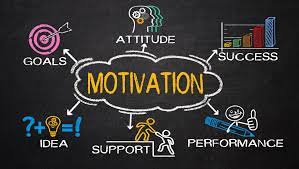
My coaching approach combines practical support around movement, nutrition, habits and mindset.
The goal is not to create a perfect routine.
It is to help you build habits that are realistic enough to continue.
If you want structured support, explore Health & Lifestyle Coaching in Nanaimo or the Eight Weeks to Health Coaching Program.
If your goals are more exercise-specific, you can also learn about Personal Training in Nanaimo.