
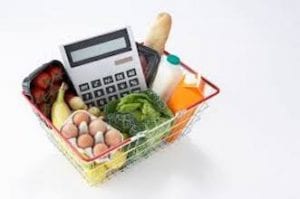
Grocery shopping has changed a lot for me over the years. My priorities have shifted from eating mostly for pleasure, to thinking about body composition, to focusing more on nourishment, simplicity, budget and sustainability.
These days, I am less interested in following a perfect “diet” and more interested in building meals that are affordable, satisfying and realistic for family life.
What I Mean by “Diet”
When I use the word diet here, I simply mean the foods I regularly eat.
I have gone through different phases with food, including times when I focused heavily on staying lean or restricting certain foods. Over time, I found that a more flexible approach worked better for me.
Now I pay more attention to whether meals are practical, nourishing, affordable and enjoyable.
1. Grow What You Can
Growing some of your own food can reduce grocery costs and also make food feel more connected to everyday life.
Depending on your space and climate, you might grow:
- tomatoes
- potatoes
- squash
- beans
- onions
- garlic
- herbs
- greens
You do not need a large garden. Containers, raised beds, balcony planters and community gardens can all work.
Growing food can also be a great activity with children because it gives them a chance to see where food comes from and participate in the process.
2. Buy Some Foods in Bulk
Bulk buying can save money when you choose foods your household actually uses regularly.
Examples include:
- oats
- rice
- quinoa
- beans and lentils
- raisins and other dried fruit
- sunflower and pumpkin seeds
- popcorn
- flour
- nuts
- nutritional yeast
The key is to compare unit prices rather than assuming bulk is always cheaper.
It also helps to avoid buying huge quantities of foods you may not finish.
3. Cook More From Basic Ingredients
Cooking from scratch can often be cheaper than relying heavily on prepared meals, especially for staples like soups, pasta dishes, rice bowls, lentils, beans and casseroles.
That does not mean packaged food is always bad or that every meal needs to be homemade.
Convenience foods can be extremely useful, especially during busy weeks. The goal is simply to have enough basic ingredients around that you can make simple meals without always needing takeout.
4. Cook Once, Eat More Than Once
One of the easiest ways to save both money and time is to intentionally make extra food.
A larger batch can become:
- dinner tonight
- lunch tomorrow
- another meal later in the week
- a freezer meal for a busy day
This is especially useful for soups, stews, curries, chili, pasta sauces, casseroles and cooked grains.
5. Plan Around What You Already Have
Before grocery shopping, check the fridge, freezer and cupboards.
Build part of your meal plan around food that needs to be used first.
This helps reduce waste and prevents buying duplicates.
Sometimes the cheapest meal is simply the one you can make without another trip to the store.
6. Use Lower-Cost Protein Sources
Protein can be one of the more expensive parts of a grocery bill, but there are many affordable options.
Beans, lentils, eggs, tofu, canned fish, Greek yogurt, cottage cheese and peanut butter can all be useful depending on your preferences.
Buying meat less often, choosing less expensive cuts or using smaller amounts alongside beans and vegetables can also reduce costs.
You do not need an expensive protein source at every meal to eat well.
7. Compare Price Per Unit
A bigger package is not automatically a better deal.
Check the price per 100 grams, kilogram or litre when possible. This makes it much easier to compare different brands and package sizes.
Sales can be helpful, but only if you actually use the food.
8. Use Frozen and Canned Foods
Fresh food is great, but frozen and canned foods can be just as practical.
Frozen fruit and vegetables are convenient, last longer and can reduce waste. Canned beans, lentils, tomatoes and fish can make meals much faster.
These foods can be especially useful when fresh produce is expensive or when you need something that will keep for a long time.
9. Keep Simple Meals in Rotation
You do not need a completely different dinner every night.
Having a few inexpensive meals you know your household will eat can make grocery planning much easier.
Ideas might include:
- lentil or bean chili
- pasta with vegetables
- rice bowls
- soups
- tacos or burritos
- eggs with potatoes and vegetables
- homemade pizza
- stir-fry
- casseroles
Simple meals are often easier to budget for and easier to repeat.
10. Leave Room for Convenience
Trying to cook everything from scratch can become exhausting.
Sometimes a frozen pizza, prepared soup, rotisserie chicken or other convenience food can still save money compared with restaurant meals or takeout.
The goal is not perfection. It is finding a grocery routine that works for your actual life.
Eating Well on a Budget Does Not Need to Be Complicated
Saving money on groceries is usually less about finding one perfect trick and more about combining small habits: planning ahead, reducing waste, cooking extra, using affordable staples and buying only what you are likely to use.
If you want support building realistic habits around food, movement and everyday health, you can learn more about Health & Lifestyle Coaching.
You may also enjoy some of the simple recipes on the site, including Easy No-Cook Granola Bars, Sprouted Sunflower Seed Cookie Dough Balls and Mexican-Style Zucchini Lasagna.