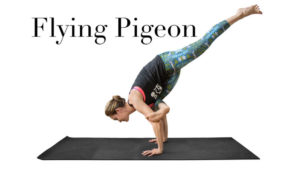
Flying Pigeon Yoga Sequence for Strength, Balance and Hip Mobility
Flying Pigeon, or Eka Pada Galavasana, is an advanced arm balance that combines hip mobility, core strength, shoulder stability, balance and confidence with weight-bearing through the hands.
This sequence is designed to gradually prepare the body for the pose rather than jumping straight into it. The goal is not to force the final shape, but to build the pieces that make it possible.
Begin With a Reclining Figure Four
Start on your back with the knees bent.
Cross one ankle over the opposite thigh and keep the foot flexed.
Stay here or draw the legs toward you for a deeper hip stretch.
Repeat on the other side.
Move Into Downward-Facing Dog
Come to hands and knees, then lift the hips into Downward-Facing Dog.
Take a few breaths and notice the shoulders, hamstrings and calves.
Walk forward and slowly come to standing.
Side Stretch and Chair Pose
Reach the arms overhead and take a gentle side bend in each direction.
Then lower into Chair Pose.
From Chair, sit all the way down with control.
Boat and Hollow-Body Work
Move into Boat Pose and then Half Boat.
You can add a small side-to-side Hollow Body rock if it feels controlled.
This section helps prepare the trunk for the compression and balance needed later.
Chair Figure Four
Stand and return to Chair Pose.
Cross one ankle over the opposite thigh to create a standing Figure Four.
Sit back only as far as you can while keeping the standing foot grounded.
This is an important preparation for Flying Pigeon because it begins to combine hip opening with balance.
Flow 1: Hip Mobility and Strength
From Downward-Facing Dog:
- lift one leg
- step into Crescent Lunge
- transition into a standing Figure Four or glute stretch
- return to Crescent Lunge
- open into Warrior II
- move into Reverse Warrior
- transition into Side Angle
From Side Angle, experiment with bringing the knee toward the upper arm or triceps.
This begins to connect lower-body mobility with arm-balance positioning.
Repeat on the other side.
Crow Pose Preparation
Come into a squat and place the hands on the floor.
Practice Crow Pose or a modified Crow with one foot down.
Crow helps build familiarity with shifting the chest forward and supporting weight through the hands.
You can read Crow Pose Progressions: Build Strength, Balance and Confidence for more preparation ideas.
Flying Pigeon Preparation
Return to Chair Pose and cross one ankle over the opposite thigh.
Keep the lifted foot flexed.
Fold forward and place the hands on the floor.
Bring the shin toward the upper arms.
Shift your weight forward gradually.
At first, simply practice making the back foot lighter.
You do not need to lift it.
Flying Pigeon
Once the balance feels stable:
- keep the front foot flexed
- bend the elbows slightly
- shift the chest forward
- lift the back foot
- gradually extend the back leg if control allows
The pose should feel strong and supported, not forced.
If the knee or hip feels pinched, come out and return to the Figure Four preparation.
Half Moon and Side Plank
After the arm-balance work, move into standing balance.
From Warrior II, transition into Half Moon.
Use a block under the lower hand if needed.
You can then move into Side Plank, keeping the bottom knee down or stacking the legs.
These poses reinforce lateral strength and balance without repeating the exact same arm-balance demand.
Bridge or Wheel
Finish the active part of the practice with Bridge Pose.
If Wheel is already part of your regular practice and feels appropriate, you can use it as an optional progression.
Do not treat Wheel as something you need to “earn.”
Bridge is a complete backbend on its own.
Lotus Pose: Optional, Not Required
Lotus Pose is often associated with meditation in traditional yoga, but it requires significant hip mobility and is not appropriate for every body.
You can sit cross-legged, kneel, use Half Lotus or choose any comfortable meditation position.
There is no need to force the knees or hips into Lotus.
Finish With Meditation
Take a few minutes to sit or lie quietly.
Notice the breath, the hips, the shoulders and the hands after the stronger work.
If mantra is part of your practice, you can include one at the end.
The purpose is not to create a special spiritual state, but simply to give the practice a clear and intentional ending.
Flying Pigeon Is a Progression, Not a Test
You do not need to achieve the full pose for the practice to be successful.
Building stronger wrists, improving hip mobility, feeling steadier in Crow or becoming more comfortable shifting your weight forward are all meaningful forms of progress.
If you want to explore arm balances, strength and mobility in person, learn more about Yoga & Mobility Classes in Nanaimo or Personal Training in Nanaimo.
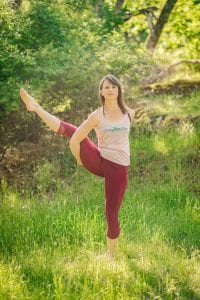
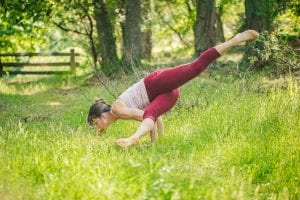
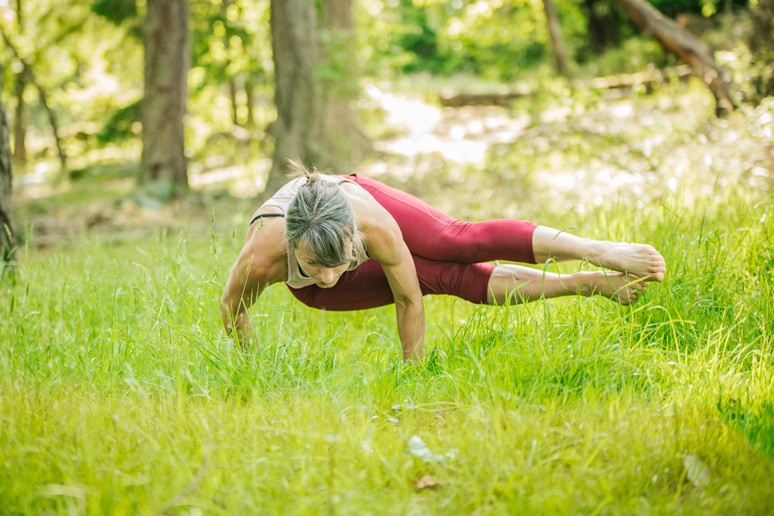
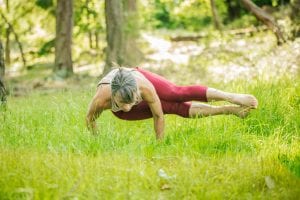 Side Crow, or Parsva Bakasana, is a challenging arm balance that combines twisting, core control, shoulder stability, wrist loading and balance. It can be an exciting pose to work toward, but it is best approached through progressive preparation rather than by trying to “muscle” into the final shape.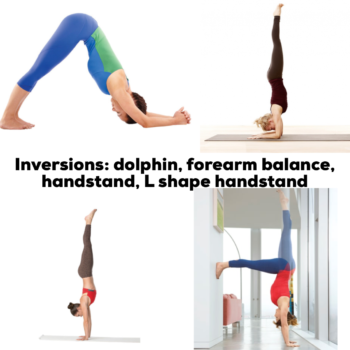
 Inversions can be exciting, challenging and intimidating. They ask you to support your body in a different relationship to gravity, which can develop strength, coordination, balance and body awareness.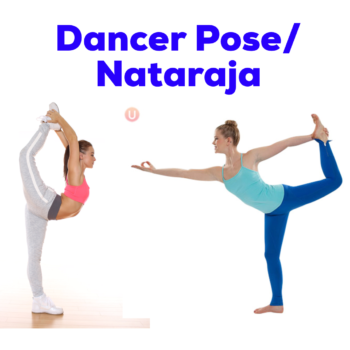
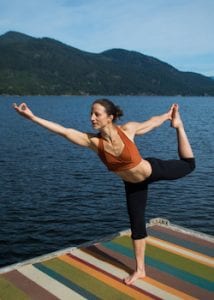
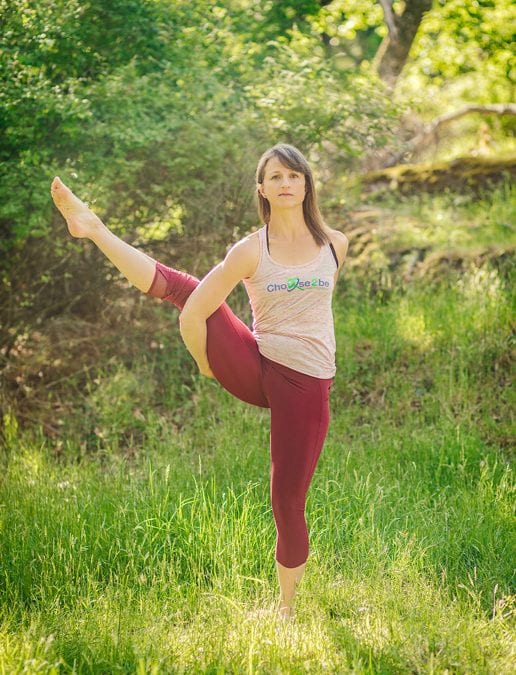
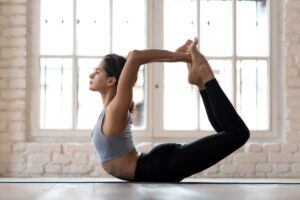 Dancer Pose, or Natarajasana, is a balance and backbend that combines standing-leg strength, shoulder mobility, hip extension and coordination. Bow Pose, or Dhanurasana, is a floor backbend that works many of the same areas without requiring single-leg balance.