Inflammation is part of the body’s normal immune response. It helps us respond to injury and infection. The concern is not inflammation itself, but chronic low-grade inflammation, which can be associated with certain health conditions over time.
Food can influence inflammation, but no single food or “anti-inflammatory diet” can heal the body on its own. The strongest evidence supports an overall eating pattern rich in whole or minimally processed foods, especially vegetables, fruit, whole grains, legumes, nuts, seeds, fish and healthy fats.
What Does “Anti-Inflammatory” Really Mean?
There is no single official anti-inflammatory diet.
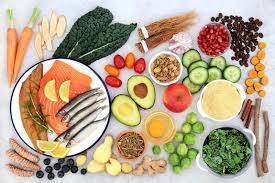
Most recommendations overlap heavily with Mediterranean-style eating:
plenty of vegetables and fruit
whole grains
beans and lentils
nuts and seeds
olive oil and other unsaturated fats
fish and seafood
moderate amounts of dairy, eggs and poultry if desired
fewer ultra-processed foods and processed meats
This pattern is associated with better cardiovascular and metabolic health and may help reduce some markers of inflammation.
Chronic Inflammation Is More Complex Than Food
Chronic inflammation is influenced by many factors, including:
smoking
sleep
physical activity
chronic stress
body composition
some infections
autoimmune or inflammatory conditions
overall dietary pattern
That is why it is too simplistic to say one food “causes inflammation” or another one “heals” it.
Foods That Can Support an Anti-Inflammatory Eating Pattern
Vegetables and Fruit
Colourful vegetables and fruit provide fibre, vitamins, minerals and many plant compounds.
Aim for variety rather than chasing a single “superfood.”
Good options include:
leafy greens
broccoli
peppers
tomatoes
berries
citrus fruit
apples
cherries
Whole Grains
Whole grains provide fibre and nutrients that are often removed during refining.
Examples include:
oats
brown rice
barley
quinoa
whole-grain bread
whole-wheat pasta
Refined grains are not automatically inflammatory, but replacing some of them with whole grains can improve overall diet quality.
Legumes
Beans, lentils and chickpeas are excellent sources of fibre and plant protein.
They are useful for:
soups
salads
curries
grain bowls
pasta sauces
You do not need to eat vegetarian to benefit from adding more legumes.
Nuts and Seeds
Nuts and seeds provide unsaturated fats, fibre and minerals.
Examples include:
walnuts
almonds
chia seeds
flaxseeds
pumpkin seeds
A small handful can work well as a snack or addition to oatmeal, yogurt and salads.
Fish and Omega-3 Fats
Fatty fish such as salmon, sardines, trout and mackerel provide omega-3 fats.
These fats have important roles in cardiovascular health and inflammatory pathways.
You can also get plant-based omega-3 fats from foods such as flax, chia and walnuts.
Olive Oil and Other Unsaturated Fats
Extra-virgin olive oil is commonly associated with Mediterranean-style eating.
Other useful fat sources include:
avocado
nuts
seeds
canola oil
fish
You do not need to eliminate saturated fat completely, but replacing some saturated fats with unsaturated fats is generally more useful than thinking of foods as simply “inflammatory” or “anti-inflammatory.”
Herbs and Spices
Turmeric, ginger, garlic, cinnamon and herbs can add flavour and plant compounds to meals.
They are worth using because they make food enjoyable and varied.
I would avoid claiming they act like medicine or meaningfully reduce inflammation on their own.
Fermented Foods
Foods such as yogurt, kefir, sauerkraut and kimchi can be part of a nutritious diet.
They may support gut microbial diversity in some people, but it is too strong to say they directly “reduce inflammation” in everyone.
Think of them as one optional piece of a varied diet.
What About Sugar?
High intakes of added sugar can make it easier to consume excess calories and may contribute to poorer metabolic health over time.
But sugar does not need to be treated as a toxin.
The goal is not to avoid every sweet food. It is to keep highly processed, sugary foods from dominating the diet.
What About Red Meat?
Red meat does not need to be banned.
Processed meats such as bacon, sausages and deli meats are generally worth limiting more strongly.
If you eat red meat, choose portions and frequency that fit within a varied diet that also includes fish, legumes and plant foods.
What About Dairy?
Dairy is often incorrectly placed on “inflammatory foods” lists.
For most people, dairy is not inherently inflammatory.
If you tolerate it, foods such as yogurt, milk and cheese can provide protein, calcium and other nutrients.
If you personally notice digestive or other symptoms with dairy, that is a separate issue worth discussing with a healthcare professional.
What About Gluten?
Gluten is another food component that often gets blamed for inflammation.
People with celiac disease need to avoid gluten.
Some people may have other forms of gluten or wheat sensitivity.
But for the general population, there is no good reason to eliminate gluten solely to “reduce inflammation.”
Hydration Matters, but Water Does Not “Flush Out Inflammation”
Water supports normal body function, exercise and digestion.
Stay hydrated, especially when you are active.
But drinking extra water does not detox the body or directly wash away inflammation.
A Simple Anti-Inflammatory Plate
Instead of memorizing long lists, build meals around a simple structure.
Try:
half the plate vegetables or fruit
a quarter protein
a quarter whole grains or other carbohydrate
a source of healthy fat
For example:
salmon, roasted vegetables and quinoa
lentil curry with brown rice
Greek yogurt with berries, oats and walnuts
chickpea salad with olive oil and whole-grain pita
This is easier to maintain than trying to eat a perfect “anti-inflammatory diet.”
Do You Need Supplements?
Usually not as a first step.
It is generally better to improve the overall food pattern before turning to supplements.
If you are considering high-dose fish oil, turmeric, vitamin D or other supplements, check with a healthcare professional, especially if you take medications or have a medical condition.
Anti-Inflammatory Eating Is About Patterns, Not Perfection
You do not need to eliminate every dessert, restaurant meal or processed food.
What matters most is what you eat most of the time.
A strong foundation includes:
vegetables and fruit
fibre-rich carbohydrates
enough protein
healthy fats
regular meals
enjoyable foods
movement
sleep
stress management
That is much more realistic than chasing a list of “healing foods.”
Nanaimo’s coastline makes it easy to take fitness outdoors. A beach workout can combine walking, strength, mobility and cardio with a setting that feels very different from a gym.
The main advantage is not that beach training is automatically “better.” It is that the environment gives you different surfaces, different movement options and, for many people, a more enjoyable way to stay active.
What Makes Beach Training Different?
Sand changes how your body interacts with the ground.
A softer or uneven surface can make walking, lunging, balancing and running feel more demanding because your feet and ankles have to adapt constantly.
That can be useful, but it also means the beach is not automatically easier on the body.
Soft sand can increase demand on the calves, Achilles tendon and stabilizing muscles, especially if you are not used to it.
Is Sand Lower Impact?
Sometimes, but not always.
Sand can reduce impact compared with hard pavement, but it also requires more muscular effort and can change your stride.
If you are new to beach running or have foot, ankle, calf or Achilles issues, start with walking and shorter sessions before adding harder intervals.
A Simple Beach Workout
You do not need much equipment.
Try this:
Warm-Up
Walk briskly for 5–10 minutes.
Add:
arm circles
leg swings
ankle circles
gentle squats
walking lunges
Strength Circuit
Complete 2–4 rounds of:
10–15 squats
8–12 incline push-ups on a stable bench or railing
8 reverse lunges per side
10–15 glute bridges
20–30 seconds of side plank per side
10–15 calf raises
Rest as needed.
Cardio Options
Choose one:
brisk shoreline walking
walk-jog intervals
short hill or stair intervals
steady jogging on firmer sand
paddleboarding
swimming where conditions are appropriate
You do not need to sprint on soft sand to get a good workout.
Mobility and Cool-Down
Finish with slower movement.
Try:
hip rotations
calf stretching
thoracic rotation
Figure Four stretch
hamstring mobility
a few relaxed breaths
A towel or mat can make kneeling and floor work more comfortable.
Do Not Use Rocks as Weights
I would remove the original suggestion to use beach rocks for resistance.
Rocks can be awkward to grip, unstable and unexpectedly heavy.
If you want resistance outdoors, bring:
resistance bands
a kettlebell
dumbbells
a weighted backpack
Or simply use bodyweight progressions.
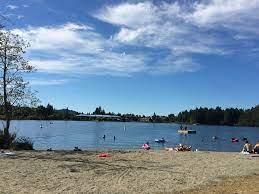
Long Lake
Long Lake is easy to reach and can work well for walking, swimming and simple outdoor movement. It is more of a lakeside setting than a true ocean beach, but it is still useful for:
walking
mobility
bodyweight circuits
swimming
paddleboarding
Pipers Lagoon
Pipers Lagoon is a beautiful waterfront area for walking and lighter training.
The shoreline and trails make it well suited to:
walking
mobility
gentle jogging
outdoor yoga
recovery days
I would not describe the water there as automatically “perfect” for paddleboarding because conditions can change.
Always check wind, tides and water conditions.
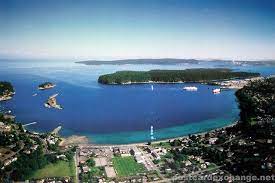
Departure Bay Beach
Departure Bay is convenient and easy to access.
It can work well for:
walking
short bodyweight workouts
mobility
beach volleyball
easy jogging
Because it is a busy public beach, choose a clear area and avoid setting up where you interfere with other users.
Jack Point and Biggs Park
Jack Point and Biggs Park are better thought of as coastal hiking and trail areas than beach-workout spaces.
They can be great for:
hiking
hill walking
trail conditioning
longer endurance sessions
Uneven terrain makes footing more important.
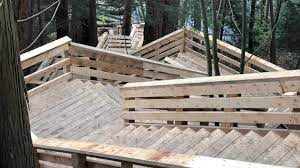
Blueback Beach and Seabold Beach Stairs
Stairs can turn a short workout into a demanding lower-body and cardiovascular session.
Instead of racing up and down repeatedly, start with controlled climbs.
For example:
Walk up at a steady pace.
Recover on the way down.
Repeat 3–6 times.
Stop while your technique still feels good.
Stair training can be demanding on the knees and calves, so build volume gradually.
Saysutshun
Saysutshun is better for an active outing than a quick workout.
Walking or running the trails, carrying a light pack and spending several hours moving can create a great endurance session.
You can also stop for:
mobility
yoga
a short bodyweight circuit
recovery by the water
It is a good option when you want movement to be part of a longer day outdoors.
Swimming and Paddleboarding
Water-based activity can add variety, but safety matters more than fitness goals.
Conditions around Nanaimo can change quickly.
Before swimming or paddling, consider:
water temperature
wind
currents
tides
boat traffic
visibility
your own skill level
Use appropriate safety equipment for paddling.
Sun and Vitamin D
I would remove the old “vitamin D boost” claim as a reason to choose beach workouts.
Sun exposure can contribute to vitamin D production, but it also increases UV exposure.
Use sun protection and do not treat sun exposure as a fitness benefit you need to maximize.
Outdoor Workouts and Stress
Many people simply enjoy exercising outside.
Nature, fresh air and a change of scenery can make movement feel more enjoyable.
That can support consistency, which matters more than whether a beach workout is somehow physiologically superior to an indoor workout.
Beach Training for Hiking and Everyday Fitness
Walking on changing terrain challenges the feet, ankles and hips differently from smooth indoor surfaces.
That can complement regular strength training well.
If you are preparing for hiking, beach and trail sessions can help build:
endurance
balance
ankle tolerance
time on your feet
Combine them with strength work rather than using outdoor training as a complete replacement.
Keep It Simple
A beach workout does not need to become a complicated bootcamp.
Nanaimo has a wide range of places to exercise, from large traditional gyms and 24-hour facilities to coach-led studios, municipal recreation centres and smaller personal-training spaces.
The right gym depends on what you actually want from it. Some people mainly need affordable access to weights and cardio equipment. Others want classes, personal training, 24-hour access, rehabilitation support or a smaller environment where they feel more comfortable.
Rather than calling any one facility the “best gym in Nanaimo,” this guide looks at several different types of fitness options currently available in Nanaimo and what to consider before joining.
Large Full-Service Gyms
Fitness World
Fitness World
4.6•Gym•Open
••
Fitness World is located at Country Club Centre and currently offers free weights, lifting platforms, cardio equipment, group fitness, yoga and Pilates, indoor cycling, small-group training, personal training and a women’s-only area. Childminding is also available with some memberships and during designated hours.
A larger facility like this can work well if you enjoy having several training options in one place.
Planet Fitness is located on Metral Drive and focuses on accessible gym-floor training with cardio machines, strength equipment and functional-training stations. The Nanaimo location also offers fitness instruction through its PE@PF program.
This type of gym may appeal to someone who primarily wants independent workouts and a straightforward gym membership.
Fit4Less
Fit4Less
4.0•Gym•Open
••
Fit4Less on Rutherford Road is another large gym option in Nanaimo. It currently operates 24 hours a day and is positioned as a lower-cost fitness facility with cardio and strength-training equipment.
If price and flexible access are major priorities, budget-oriented gyms can be worth comparing.
24-Hour Gyms
Anytime Fitness
Anytime Fitness Brooks Landing
4.8•Gym•Closed
••
Anytime Fitness currently has a Brooks Landing location offering 24-hour member access, strength and cardio equipment, personal training, small-group training and virtual classes.
Orangetheory on Turner Road focuses on coach-led interval workouts rather than independent open-gym training.
This type of environment can suit people who prefer arriving for a structured workout rather than deciding what to do on their own.
Smaller Coaching and Strength Facilities
Not everyone enjoys a large gym.
Nanaimo also has smaller coaching-focused facilities where personal training and individualized programming are central to the experience.
Loaded Movement Academy
Loaded Movement Academy
5.0•Personal trainer•Closed
••
Loaded Movement Academy on Bowen Road focuses on personal training and small-group strength training rather than operating primarily as a large open-access gym.
A smaller coaching facility can be useful if you want more instruction, accountability and help progressing your program.
Harbour City Fitness
Harbour City Fitness and Tanning
4.6•Fitness center•Open
••
Harbour City Fitness on Bowen Road is an independently operated gym with strength and cardio equipment and extended daily hours.
Independent gyms can sometimes offer a different atmosphere from larger fitness chains, so it is worth visiting before deciding which environment you prefer.
Municipal Fitness Options
Nanaimo Aquatic Centre
Nanaimo Aquatic Centre
4.4•Public swimming pool
••
The Nanaimo Aquatic Centre combines swimming facilities with an on-site weight room and recreation amenities.
Municipal facilities can be a practical option if you enjoy combining gym workouts with swimming or other recreation activities.
What Should You Look for in a Gym?
Before joining, think about what will actually make you use the membership.
Location matters more than people sometimes realize. A beautiful gym that takes 30 minutes to reach may be less useful than a simpler facility five minutes from home or work.
Consider things like:
location and parking
hours
strength equipment
cardio equipment
group classes
personal training
change rooms and showers
overall atmosphere
how busy it becomes at the time you plan to exercise
membership terms and cancellation policies
If possible, visit the gym at approximately the same time you would normally train.
Big Gym or Small Studio?
Neither is automatically better.
A large gym usually gives you more equipment and greater independence.
A smaller training studio may provide more coaching, accountability and individualized attention.
Some people love putting on headphones and training alone. Others are much more consistent when someone is waiting for them.
Understanding which environment helps you follow through is more useful than choosing a gym based on how impressive it looks.
Group Fitness Can Make Exercise Easier to Maintain
Group fitness gives your workout a beginning, an end and a plan.
Instead of arriving at the gym and wondering what to do, you follow the instructor and train alongside other people.
Classes may include strength, mobility, Pilates, yoga, cycling, HIIT and other formats depending on the facility.
That can be a good alternative for people who do not enjoy crowded gyms or want more individual attention.
You Don’t Actually Need a Gym to Get Fit
A gym is a tool, not a requirement.
You can build strength with bodyweight training, dumbbells, resistance bands or a home gym. Walking, hiking, cycling and outdoor workouts can build cardiovascular fitness without a membership.
Nanaimo is a great place to exercise outdoors. With lakes, forest trails, waterfront parks and access to longer hiking routes, you can build strength, endurance and mobility without always needing a gym.
Outdoor movement can also make exercise feel less repetitive. A walk can become a hill workout, a park bench can become part of a strength circuit, and a trail can challenge balance and coordination in ways a treadmill cannot.
Benefits of Outdoor Exercise
Outdoor workouts can give you variety, fresh air and a change of scenery. Walking or hiking over uneven terrain also challenges the feet, ankles, hips and balance differently than flat indoor exercise.
Sun exposure can contribute to vitamin D production, but I would not use outdoor exercise as a guarantee that you are getting enough vitamin D. Season, skin exposure, time of day and other factors all matter.
The biggest benefit may simply be that many people enjoy being outside and are therefore more likely to move consistently.
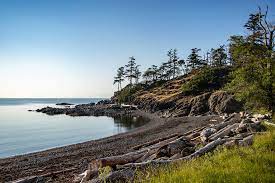
1. Neck Point Park
Neck Point is one of Nanaimo’s best-known waterfront parks, with roughly 3 kilometres of trails, beach access, stairs, rocky sections and ocean views. The City describes it as a 36-acre waterfront park with trails through Garry oak areas and along rugged coastline.
It works well for:
brisk walking
easy trail running
hill and stair intervals
walking lunges or bodyweight exercises in an open area
mobility or yoga overlooking the water
Because some areas are uneven or rocky, pay attention to footing rather than treating every trail section like a running track.
2. Westwood Lake Park
Westwood Lake has a 5.51-kilometre loop that is popular with walkers and runners. The trail is generally considered easy, although there is a steeper section on the west side.
This is one of my favourite types of places for steady aerobic training because you can simply walk or run the loop and let the terrain provide some natural variation.
Try:
a brisk full loop
walk-run intervals
hill repeats
a longer endurance walk
a short strength circuit before or after the loop
The lake is also used for swimming and paddling, which gives you more ways to be active in warmer months.
3. Linley Valley Cottle Lake Park
Linley Valley Cottle Lake Park has a large network of wilderness trails through forest, valleys, open fields and rocky knolls. The City recommends staying on groomed trails if you are unfamiliar with the area because the broader area includes parcels under different ownership.
This is a great option for:
trail walking
hiking
trail running
longer steady cardio
practicing balance over changing terrain
The changing surfaces make it more dynamic than walking on pavement.
4. Colliery Dam Park
Colliery Dam Park combines lakes, forest and trails that range from relatively easy to steeper sections. The City notes that some upper-dam trails include steep terrain and narrow bridge crossings.
It can be a good place for:
walking
trail intervals
hill work
a bodyweight circuit
slower mobility or stretching after a walk
This is another place where you can adjust the difficulty simply by choosing flatter or steeper routes.
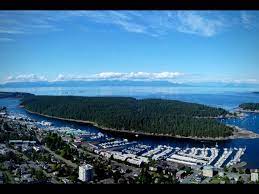
5. Saysutshun
Saysutshun, also known as Newcastle Island Marine Park, is accessible from Nanaimo by boat or passenger ferry. BC Parks lists about 22 kilometres of trails around the island, with generally easy hiking routes connecting different areas and historic sites.
This is less of a quick workout destination and more of an active day.
Walk the trails, carry a daypack, explore different parts of the island and let the total amount of movement become the workout.
6. Pipers Lagoon Park
Pipers Lagoon is a beautiful waterfront area for walking and lighter outdoor movement. The City includes it among Nanaimo’s public waterfront parks and maintains washroom access during park hours.
It works well for:
walking
gentle jogging
mobility
outdoor yoga
recovery days
Not every workout needs to be intense.
A scenic walk can still be useful movement.
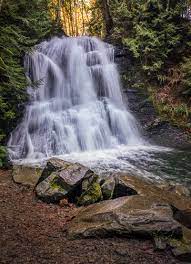
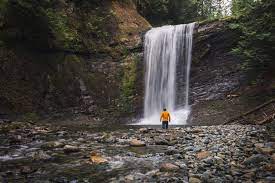
7. Ammonite Falls and Longer Trail Hikes
Ammonite Falls can turn a workout into more of a hiking session.
Rather than thinking of a trail like this as an “intense calorie-burning workout,” I would treat it as endurance, lower-body conditioning and time on your feet.
Hiking can challenge:
calves
glutes
quads
ankle stability
balance
cardiovascular endurance
Trail conditions can change, so check current access and conditions before heading out.
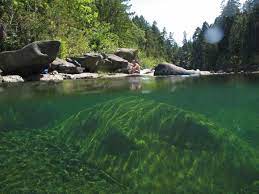
8. Nanaimo’s Waterfront and Harbour Areas
You do not need wilderness trails to exercise outdoors.
Nanaimo’s waterfront pathways can work well for:
walking
jogging
easy recovery sessions
stroller walks
interval walking
mobility breaks
The City of Nanaimo manages more than 1,000 hectares of parkland and about 180 kilometres of trails, so there are many options beyond the better-known locations.
Turn Any Park Into a Simple Workout
You do not need specialized outdoor equipment.
Try:
5–10 minutes brisk walking
10 squats
8–12 incline push-ups on a sturdy bench
8 reverse lunges per side
30–60 seconds of step-ups
20–30 seconds of side plank per side
walk for another few minutes
Repeat two or three times.
Choose stable surfaces and avoid using benches or structures in ways they were not designed for.
Trail Walking Is Strength Work Too
Walking on uneven terrain is not the same as walking on a treadmill.
Your feet, ankles, knees and hips constantly make small adjustments.
Hills add more demand to the glutes, calves and cardiovascular system.
That does not replace progressive strength training, but it complements it very well.
Outdoor Training for Hiking
If you are preparing for longer hikes, local trails are a practical training tool.
Gradually increase:
distance
elevation
time on your feet
pack weight
frequency
Do not increase everything at once.
Combine hiking with strength work for the legs, hips, calves and trunk.
Choose the Environment That Makes You Want to Move
Some people are motivated by the gym.
Others would rather walk around Westwood Lake, climb a hill or train near the ocean.
There is no single best environment.
The best option is one that helps you move consistently and supports the goals you care about.
Nestled on the scenic Vancouver Island, Nanaimo is not only known for its natural beauty but also for its vibrant culinary scene. The city’s commitment to sustainable living and wellness is reflected in its array of farm-to-table restaurants. In this guide, we’ll explore the concept of farm-to-table dining, delve into the benefits of this culinary approach, and showcase some of the best farm-to-table restaurants in Nanaimo. Get ready to embark on a culinary journey that aligns with your health and sustainability goals.
The Farm-to-Table Philosophy: Nourishing Both Body and Community
Farm-to-table dining is more than just a food trend; it’s a philosophy that celebrates the connection between food, health, and the environment. At its core, this concept revolves around sourcing fresh, locally grown ingredients directly from nearby farms. By doing so, restaurants support local farmers and reduce the carbon footprint associated with transporting food over long distances.
Benefits of Farm-to-Table Dining
Nutritional Richness: Locally sourced ingredients are often harvested at their peak ripeness, ensuring they are packed with nutrients and flavor.
Supporting Local Economy: By purchasing from local farmers, farm-to-table restaurants contribute to the economic growth of the community.
Reducing Environmental Impact: Shorter transportation distances decrease the carbon emissions associated with food delivery, promoting sustainability.
Seasonal Variety: Farm-to-table menus change with the seasons, allowing diners to enjoy a diverse range of fresh, in-season produce.
Farm-to-Table Restaurants in Nanaimo
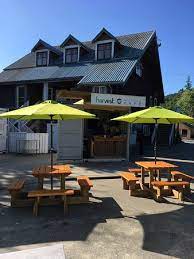
1. Harvest Kitchen
Harvest Kitchen, nestled in the heart of Nanaimo, epitomizes the farm-to-table ethos. With a menu that changes regularly to reflect seasonal availability, diners can indulge in dishes crafted from local ingredients sourced from nearby farms. From crisp salads to hearty entrees, every bite at Harvest Kitchen is a celebration of local flavors.
2. Gabriel’s Café
Gabriel’s Café, a hidden gem in Nanaimo, combines sustainability with creativity. Their commitment to sourcing organic, locally grown ingredients is evident in their delectable dishes. The menu is a fusion of international flavors, all carefully crafted using ingredients from the island’s bountiful farms.
3. The Vault Café
The Vault Café takes pride in offering a farm-to-table experience with a twist. Their charming setting and innovative dishes highlight the region’s finest produce, transforming it into culinary masterpieces that tantalize the senses. The Vault Café’s dedication to showcasing local ingredients in innovative ways sets it apart.
4. Mon Petit Choux
Mon Petit Choux takes the art of pastry and baking to new heights with a farm-to-table approach. This cozy bakery café embraces local ingredients to create mouthwatering pastries, breads, and sandwiches. Every bite is a testament to their commitment to quality and sustainability.
Nanaimo’s farm-to-table restaurants offer a culinary experience that transcends the plate. By choosing to dine at these establishments, you’re not only treating your taste buds to a delightful array of flavors but also supporting local farmers and the environment. Embrace the farm-to-table movement and savor the bounty of Vancouver Island while nourishing your body and fostering a sense of community.

 Long Lake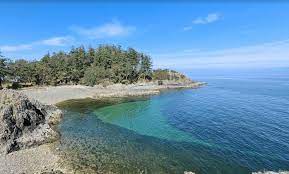
 Departure Bay Beach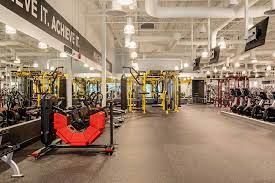

 1. Neck Point Park
 3. Linley Valley Cottle Lake Park
 5. Saysutshun
 7. Ammonite Falls and Longer Trail Hikes
 You do not need wilderness trails to exercise outdoors.
 2. Gabriel’s Café
 4. Mon Petit Choux