Breathing happens automatically, but the way we breathe can affect comfort, exercise, sleep and body awareness. Nasal breathing has several useful functions, but it is easy to turn it into something more powerful than the evidence supports.
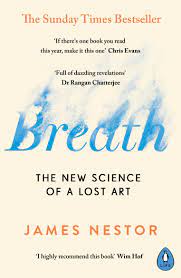
James Nestor’s book Breath helped make breathing practices much more mainstream. It is an engaging introduction to the subject, but some of the broader claims around nasal breathing, athletic performance and health should be treated as interesting possibilities rather than universal facts.
Why We Have a Nose
The nose is designed to prepare incoming air before it reaches the lungs. Nasal passages help filter particles, warm the air and add moisture.
The sinuses and nasal passages also contribute nitric oxide to inhaled air. Nitric oxide has roles in blood-vessel function and respiratory physiology, although this does not mean that nasal breathing by itself dramatically improves cardiovascular health or immunity.
Nasal Breathing and Everyday Life
When you are resting or moving at a relatively easy intensity, breathing through the nose can be a comfortable way to regulate breathing.
Because the nasal passages create more resistance than an open mouth, nasal breathing can naturally encourage a slower breathing pattern. Some people find that this helps them become more aware of their breath and effort.
It should not become another rule you feel you have to follow perfectly.
Nasal Breathing During Exercise
I often use nasal breathing as an intensity-awareness tool.
If I can breathe comfortably through my nose during a walk, hike or cardio session, I know I am probably working at a sustainable intensity. As exercise becomes harder, however, it is completely normal for the mouth to open so the body can move more air.
Trying to force nasal-only breathing during intense exercise is not automatically better.
Does Nasal Breathing Improve Athletic Performance?
This is where many claims become exaggerated.
Breathing practices may help athletes become more aware of pacing, breathing patterns and tolerance to exertion. Some athletes deliberately train with nasal breathing, but it should not be presented as a guaranteed way to increase endurance, recovery or performance.
Training consistently still matters much more than finding a perfect breathing technique.
It plays an important role in breathing regulation and acid-base balance. Some breathing practices deliberately use slower breathing or breath holds to change how a person experiences rising carbon dioxide.
That does not mean that everyone should deliberately hold their breath or try to maximize “CO2 tolerance.”
Breath-hold practices should be approached carefully, especially if you become dizzy or have cardiovascular, respiratory or other medical concerns.
Nasal Breathing and Stress
Slower breathing can sometimes help people settle physically and mentally.
But it is the overall breathing pattern—not simply whether air is entering through the nose—that seems most relevant.
Longer, slower breaths and especially a comfortable, unforced exhale may help shift the body toward a calmer state.
Breathing practices can support stress management, but they are not a substitute for appropriate treatment for anxiety, depression or trauma.
James Nestor’s Breath also discusses mouth breathing, snoring and sleep.
There is an important distinction here.
Chronic mouth breathing at night can sometimes be associated with nasal obstruction, allergies, enlarged tonsils, sleep-disordered breathing or other issues.
But simply forcing the mouth closed is not a treatment for sleep apnea.
If you snore heavily, wake gasping, feel excessively sleepy during the day or suspect sleep apnea, seek proper medical assessment rather than relying on breathing exercises or mouth taping.
What About Mouth Taping?
Mouth taping has become popular online as a way to encourage nasal breathing during sleep.
I would not recommend presenting it as a general wellness practice.
If someone cannot comfortably breathe through their nose, taping the mouth shut does not address the reason why.
Before experimenting with sleep-related breathing interventions, it makes more sense to understand whether congestion, anatomy, allergies or sleep-disordered breathing are contributing.
Nasal Breathing Is Not Always Possible
Some people naturally have more difficulty breathing through the nose because of:
congestion
allergies
a deviated septum
nasal polyps
structural differences
respiratory illness
Mouth breathing during hard exercise is also completely normal.
Breathing should support your activity, not become another source of anxiety.
Breathing and Posture
Breathing and movement influence each other, but I would avoid claiming that poor posture causes dysfunctional breathing or that nasal breathing fixes posture.
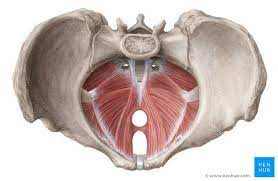
The rib cage, diaphragm, abdominal muscles and pelvic floor all participate in breathing.
Exploring different positions and noticing where the breath moves can be useful for developing body awareness.
Sit, stand or walk slowly and allow your lips to close gently.
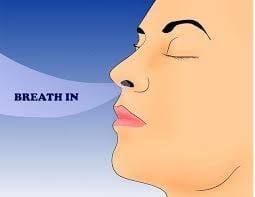
Breathe in through the nose without trying to take the biggest possible breath.
Notice the ribs expand.
Exhale comfortably through the nose.
Continue for a minute or two.
If you become uncomfortable or feel that you need more air, breathe normally.
The goal is awareness, not control.
About Breath by James Nestor
I enjoyed Breath because it made me think more deeply about something we do every minute of every day.
The book explores breathing through history, personal experimentation and scientific research.
I would describe it as a fascinating popular-science book rather than a medical manual.
Some ideas in the book are well supported, while others are more speculative or rely on emerging evidence. It can be a useful starting point for curiosity, but I would not treat every health claim in it as settled science.
Use Breath as a Tool
Breathing does not need to become complicated.
For me, breath is most useful as a way to notice effort, tension and how I am responding to movement.
Nasal breathing can be a helpful tool during lower-intensity exercise and relaxation, but there is no prize for breathing through your nose every second of the day.
It is common to eat differently on weekends. Meals may be less structured, social events come up, and people often give themselves more freedom around food.
That does not mean weekends are a problem. The bigger issue is whether your overall eating pattern supports your goals across the week.
If weight loss is one of your goals, looking at the full week is usually more useful than thinking in terms of “good weekdays” and “bad weekends.”
Weight Change Reflects Overall Energy Balance
Weight loss generally requires an average energy deficit over time.
That means eating less energy than your body uses, on average.
A few higher-calorie meals do not automatically erase progress, but repeated large increases in intake can reduce or eliminate the weekly deficit you created on other days.
This is why the overall pattern matters more than any single meal.
Why Weekends Can Feel Different
Weekends often come with different routines.
You may:
sleep later
skip regular meals
eat out more
drink more alcohol
snack more often
attend social events
eat larger portions
None of these behaviours are automatically “bad.”
They simply make intake less predictable.
Avoid the Restrict-and-Overeat Cycle
One common pattern is eating very rigidly Monday to Friday and then feeling out of control on the weekend.
That can create a cycle of restriction, overeating, guilt and starting over.
If this sounds familiar, the solution may not be more discipline.
Sometimes the weekday plan is simply too restrictive.
A more flexible approach often works better.
Eat Enough During the Week
If you under-eat all week, strong hunger by Friday or Saturday is not surprising.
Regular meals that include protein, fibre, carbohydrates and fats can make it easier to arrive at the weekend without feeling deprived.
The goal is not to “save calories” all week so you can spend them later.
It is to build an eating pattern you can actually live with.
Keep Some Structure on Weekends
You do not need a rigid weekend meal plan.
A little structure can still help.
For example:
eat a real breakfast
include protein with meals
avoid arriving at social events extremely hungry
keep easy snacks available
drink water regularly
enjoy treats intentionally rather than grazing all day
You can still have pizza, dessert, brunch or restaurant meals.
Consistency does not mean eating exactly the same foods every day.
Plan for Foods You Enjoy
Trying to remove all “unhealthy” foods often makes them feel more important than they need to be.
Instead of thinking in terms of cheat meals or being “good,” leave room for foods you enjoy.
If you know you are going out for dinner, you do not need to compensate by starving yourself beforehand.
Eat normally, enjoy the meal and return to your regular routine afterward.
Alcohol Can Add Up Quickly
Alcohol can make a noticeable difference in weekly energy intake.
It can also lower inhibitions around food and disrupt sleep, which may affect eating and exercise the next day.
You do not need to eliminate alcohol completely, but it is worth including it when you are looking at your overall pattern.
Exercise Helps, but It Is Not Punishment
Exercise supports health, strength, fitness and energy expenditure.
It should not become a way to “earn” food or compensate for eating more.
A long workout does not need to follow every restaurant meal or social event.
Keep movement consistent because it supports your health and goals, not because you are trying to erase what you ate.
Look at Trends, Not One Day
Body weight naturally fluctuates because of:
hydration
sodium
carbohydrate intake
digestion
menstrual-cycle changes
alcohol
training
A higher number on the scale after a weekend does not necessarily mean you gained that amount of body fat.
If you track weight, look at trends over several weeks rather than reacting to one morning.
Exercise can support both physical and mental well-being, but it does not need to be centered on weight loss or changing how your body looks.
A more useful question is often: What do I want my body to be able to do?
For some people, that means getting stronger. For others, it means having more energy, improving endurance, moving with less stiffness or simply feeling more confident being active.
Exercise for Weight Management
Exercise can contribute to weight management because it increases energy expenditure and can help preserve or build muscle.
But body weight is influenced by many things, including food intake, sleep, stress, medications, hormones, age and genetics.
Exercise is valuable even when the scale does not change.
Rather than using movement only to “burn calories,” it can be more sustainable to choose activities you enjoy and can repeat consistently.
Strength Training and Body Composition
What people often call “toning” usually means building some muscle while reducing body fat.
Strength training is one of the best tools for this because it helps maintain and develop muscle.
Useful exercises include:
squats
lunges
rows
presses
deadlift variations
step-ups
push-ups
core exercises
You do not need to train every day.
For many people, two or three strength sessions per week can be a good starting point.
Making changes to your exercise, nutrition and daily habits can be difficult, especially when you are trying to do everything on your own. A coach can provide structure, accountability and practical support while helping you create goals that fit your actual life.
Coaching does not need to be centered only on weight loss. It can also support strength, energy, consistency, confidence, mobility and healthier routines.
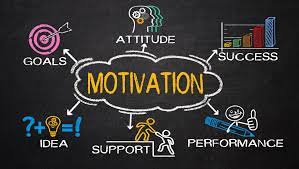
Support and Motivation
One of the biggest benefits of working with a coach is having someone in your corner.
A coach can help you:
clarify your goals
break them into manageable steps
stay consistent when motivation drops
adjust the plan when life gets busy
notice progress that you might otherwise overlook
Motivation naturally changes from week to week. Coaching can help you rely less on motivation and more on systems and habits.
Accountability
Accountability can make a big difference when you are trying to build new routines.
Knowing that you will check in with someone can help you follow through with workouts, meal planning, walking, sleep habits or other goals you have chosen.
Good accountability should not feel like punishment.
The goal is to help you understand what is working, what is getting in the way and what needs to change.
Personalized Guidance
Generic fitness plans can be useful, but they do not always account for your schedule, experience, injuries, preferences or current fitness level.
A coach can help personalize the process.
That may include:
choosing realistic workouts
progressing strength exercises
adapting exercises around limitations
planning movement around your schedule
helping you develop sustainable food habits
adjusting goals as your needs change
A personalized plan is usually easier to maintain because it is built around your life rather than an idealized routine.
Building Strength and Fitness
If part of your goal is changing body composition, strength training can be especially helpful because it supports muscle development and physical capacity.
You can combine strength work with cardio, walking and mobility depending on your goals.
Nutrition coaching should not be about following an impossibly strict diet.
For many people, the most useful changes are simple:
eating regular meals
including enough protein
eating more fruits and vegetables
planning ahead
reducing mindless snacking
becoming more aware of hunger and fullness
finding realistic meals you actually enjoy
The goal is consistency, not perfection.
A coach can help you look at patterns and make practical adjustments without turning food into an all-or-nothing project.
Coaching Is Not the Same as Medical Nutrition Therapy
A fitness or health coach can support general healthy eating habits, but medical conditions and specialized nutrition needs should be addressed by the appropriate healthcare professional, such as a physician or registered dietitian.
That distinction matters.
Good coaching includes knowing when something is outside the coach’s scope.
Confidence and Skill Development
Coaching is not only about being told what to do.
A good coach should help you understand why you are doing something and give you skills you can eventually use on your own.
Over time, you may become more confident with:
choosing exercises
adjusting a workout
understanding effort
planning meals
recognizing when you need recovery
setting realistic goals
The aim is greater independence, not permanent dependence on a coach.
Coaching and Safety
A coach can teach exercise technique, offer appropriate progressions and help you avoid doing too much too soon.
That does not mean coaching can guarantee injury prevention.
Injury risk is influenced by many factors, including training load, recovery, previous injury and health conditions.
If you have significant pain, a recent injury or a medical condition affecting exercise, appropriate medical or rehabilitation guidance may also be needed.
What About Weight Loss?
Some people come to coaching specifically because they want to lose weight.
That is a valid goal, but it does not need to be the only measure of success.
Progress can also look like:
becoming stronger
having more energy
walking farther
sleeping better
exercising consistently
feeling more confident in the gym
improving mobility
developing a healthier relationship with food and movement
Weight can be one piece of the picture rather than the entire picture.
Why Coaching Can Help With Consistency
Most people already know that movement, nutrition, sleep and recovery matter.
The harder part is turning that knowledge into something you can consistently do.
That is where coaching can be useful.
Instead of constantly starting over, you can build a plan that adapts when life changes.
Health and Lifestyle Coaching in Nanaimo
My coaching approach combines practical support around movement, nutrition, habits and mindset.
The goal is not to create a perfect routine.
It is to help you build habits that are realistic enough to continue.
The pelvic floor is a group of muscles that supports the bladder, bowel and reproductive organs and helps with continence, pressure management and sexual function.
Pelvic floor health matters for everyone, but one of the most important things to understand is this: pelvic floor problems are not always caused by weakness.
Sometimes the muscles are weak. Sometimes they are too tense. Sometimes the issue is coordination. That is why doing more Kegels is not automatically the right solution.
What Does the Pelvic Floor Do?
The pelvic floor helps:
support the pelvic organs
control urine and bowel movements
manage pressure when you cough, sneeze, lift or exercise
contribute to sexual function
coordinate with the abdominal muscles and diaphragm
Like any other group of muscles, it needs both the ability to contract and the ability to relax.
Signs Your Pelvic Floor May Need Attention
Pelvic floor dysfunction can show up in different ways.
Possible symptoms include:
urine leakage
bowel leakage
pelvic heaviness or pressure
constipation or difficulty emptying the bowel
frequent or urgent urination
pelvic pain
pain with intercourse
difficulty relaxing the pelvic floor
Some of these symptoms can occur with weakness, while others may occur when the pelvic floor is overly tense or poorly coordinated.
What Are Kegel Exercises?
Kegels are exercises that involve voluntarily contracting the pelvic floor muscles.
They can be useful for some people, particularly when weakness is contributing to symptoms.
The important part is learning how to contract the correct muscles without unnecessarily squeezing the glutes, inner thighs or holding your breath.
Just as importantly, the muscles need to relax fully between contractions.
More Kegels Are Not Always Better
This is the biggest change I would make from the original version of this article.
If your pelvic floor is already overly tight, repeatedly strengthening it can sometimes make symptoms worse.
A hypertonic pelvic floor may contribute to pelvic pain, constipation, difficulty urinating and pain with intercourse. In these cases, treatment may focus more on relaxation, coordination and reducing excess muscle tension than on strengthening.
That is why an assessment can be so valuable.
Pelvic Floor Physiotherapy
I first saw a pelvic floor physiotherapist during my third pregnancy.
For me, it was eye-opening.
The physiotherapist used biofeedback so I could actually see information about how my muscles were contracting and relaxing. I had heard about Kegel exercises for years, but getting feedback helped me understand whether I was actually using the muscles the way I thought I was.
Pelvic floor physiotherapists can assess strength, tension, coordination and symptoms and help determine whether you need strengthening, relaxation or a combination of both. Biofeedback is one tool that may be used to help people identify and coordinate the muscles more effectively.
Pelvic Floor Health During and After Pregnancy
Pregnancy and childbirth can place significant demands on the pelvic floor.
But postpartum recovery is not only about “getting the muscles strong again.”
Some people need strengthening.
Others may need help relaxing or coordinating the muscles.
Some may benefit from addressing scar tissue, pressure management, breathing, hip strength or returning gradually to impact activities such as running and jumping.
If you experience leaking, heaviness, pain or pressure during pregnancy or postpartum, those symptoms are worth discussing with a pelvic-health physiotherapist or another qualified healthcare professional.
It coordinates with the diaphragm and abdominal wall as you breathe and manage pressure.
During a relaxed inhale, the diaphragm moves downward and the pelvic floor generally lengthens slightly.
During the exhale, both move back upward.
That does not mean every exercise requires a rigid breathing formula, but learning to breathe rather than constantly gripping can be helpful.
Pelvic Floor Training and Strength Exercise
You do not necessarily need to isolate the pelvic floor during every workout.
Squats, deadlifts, carries and other strength exercises also require coordinated pressure management through the trunk and pelvis.
The goal is not to squeeze the pelvic floor as hard as possible every time you lift.
Instead, you want enough support for the task while still being able to breathe, move and relax afterward.
What About Devices Like Perifit?
Biofeedback devices such as Perifit use an internal sensor connected to an app to provide feedback during pelvic floor exercises.
Some people enjoy this type of feedback because it turns the exercises into a more structured practice and helps them see changes over time.
But a device cannot determine on its own whether your pelvic floor actually needs more strengthening.
If you have pelvic pain, difficulty relaxing, pain with intercourse, prolapse symptoms, significant urinary or bowel symptoms, or uncertainty about what you should be doing, I would start with a pelvic-health assessment before relying on a strengthening device.
Do You Need a Pelvic Floor Device?
Not necessarily.
Many people can learn pelvic floor exercises without equipment.
A device may be helpful if you enjoy feedback or have trouble staying consistent, but it is a tool, not a requirement.
If you already own one, use it according to the manufacturer’s instructions and stop if it increases pain, pressure or other symptoms.
Pelvic Floor Health Is More Than Kegels
A healthy pelvic floor needs:
strength when strength is required
relaxation when relaxation is required
coordination with breathing
good pressure management
the ability to respond to movement and exercise
That is why pelvic floor health is better thought of as function and coordination, not simply how strongly you can squeeze.
When to Get Professional Help
Consider seeing a pelvic-floor physiotherapist or healthcare provider if you experience persistent:
leaking
pelvic pain
heaviness or pressure
constipation or difficulty emptying
urinary urgency or difficulty urinating
pain with intercourse
symptoms that worsen with exercise
These problems are common, but they are not something you simply have to accept.
If you want help with strength, movement and returning to exercise, learn more about Personal Training in Nanaimo.

 Use Breath as a Tool
 Use Breath as a Tool