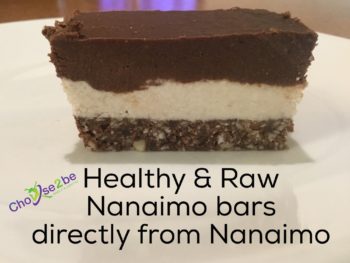
Nanaimo bars are a classic Canadian dessert named after Nanaimo, right here on Vancouver Island. Traditional Nanaimo bars are rich, sweet and delicious, and this no-bake version offers a different take using almonds, dates, cashews, coconut, cocoa and honey.
This recipe is still a dessert, but it uses simple ingredients and is easy to make ahead and keep in the freezer. If you enjoy rich chocolate treats and want a homemade alternative to the traditional version, this one is worth trying.
Raw Nanaimo Bars
Base Layer: Chocolate Crust
1 cup slivered almonds
½ cup soaked dates
½ cup unsweetened shredded coconut
¼ cup cocoa powder
pinch of salt
Middle Layer: Cream
¼ cup coconut oil
½ cup soaked cashews
3 tablespoons honey
a few drops of stevia, optional
¼ cup coconut milk
½ teaspoon vanilla extract
Top Layer: Chocolate Topping
½ cup soaked cashews
½ cup cocoa powder
½ cup coconut oil
¼ cup honey
a few drops of stevia, optional
Directions
Place all the base-layer ingredients in a food processor and blend until the mixture begins to hold together. Stop and scrape down the sides as needed.
Press the mixture firmly into an 8 × 8-inch baking pan.
Add all the middle-layer ingredients to the food processor and blend until smooth. Spread evenly over the base.
Blend the top-layer ingredients until smooth, then spread over the middle layer.
Place the pan in the freezer for 1 to 3 hours, or until firm enough to slice.
Cut into bars and serve.
Store leftovers in the freezer.
A Few Notes About the Ingredients
Dates and honey provide sweetness, while almonds, cashews and coconut add texture and richness. Because honey, dates and other natural sweeteners still contain sugar, I prefer to think of this recipe as a different style of dessert rather than a “sugar-free” or automatically healthier one.
The nuts and seeds also provide nutrients such as protein, fat, magnesium and other minerals, but the main reason to make these bars is simple: they taste good and are a fun homemade version of a Nanaimo classic.
If you use stevia, start with a very small amount and adjust to taste, since different products vary quite a bit in sweetness.
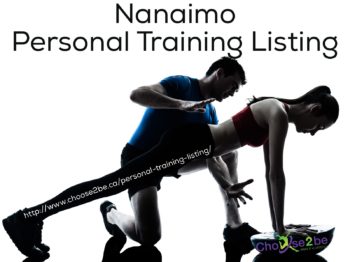
Finding the right personal trainer can make a big difference in how comfortable, motivated and successful you feel with exercise. A good trainer should not just give you workouts; they should help you understand what you are doing, adapt exercises to your body and goals, and create a training approach you can realistically maintain.
Nanaimo has a wide range of personal training options, from private studios and one-on-one coaches to larger gyms, rehabilitation-focused facilities and small-group training. The best choice depends on what you are looking for.
What to Look for in a Personal Trainer
Before choosing a trainer, think about the kind of support you want. Some people want to learn how to strength train safely, while others are preparing for a sport or hiking trip, returning to exercise after a long break, working on mobility, or simply wanting accountability.
Consider the trainer’s education and certifications, experience with people who have goals similar to yours, communication style, training environment, location, cost and whether you feel comfortable with them. A trainer may be highly qualified but still not be the right personality fit for you, so a consultation can be useful before committing to a package.
Personal Training Options in Nanaimo
This is not intended to be a ranking or a complete list. Nanaimo’s fitness community continues to change, so check each trainer or facility’s current website before booking.
Choose2be
Choose2be Personal Training offers individualized strength, mobility and functional fitness coaching with Véronique Rioux. Training is available in a private Nanaimo training space and, depending on location, in a client’s home.
My approach combines strength training, mobility, balance and practical movement skills, with programs adapted to the individual rather than using a one-size-fits-all workout. I work with people at different ages and fitness levels who want to become stronger, move better and feel more confident in their bodies.
Loaded Movement Academy
Loaded Movement Academy is a coaching-focused strength training facility in Nanaimo offering one-on-one and semi-private training. Its programs emphasize individualized progression, strength, resilience and confidence.
Body Tempo Health and Fitness
Body Tempo Health and Fitness inc. offers one-on-one personal training, small-group fitness and coaching in Nanaimo. It is a structured, trainer-led environment with individualized programming and support around exercise technique and progression.
Prime’ Performance & Therapy
Prime’ Performance & Therapy combines training with a multidisciplinary team that includes services such as kinesiology and physiotherapy. It may appeal to people looking for strength and conditioning alongside rehabilitation or return-to-sport support.
Transition City Fitness Club
Transition City Fitness Club offers individualized personal training along with community-oriented fitness programs. Its coaching can be adapted to different goals, experience levels and preferences.
Wildewood Training
Wildewood Training offers personal and semi-private strength and conditioning in Nanaimo. Its programs include training for adults as well as athletic development.
Train Without Limits
Train Without Limits (Personal Training) provides one-on-one personal training with individualized programming and an emphasis on technique, accountability and a supportive training environment.
ValUfitness
ValUfitness offers one-on-one personal training and strength work in Nanaimo, with additional specialization in Muscle Activation Techniques.
Centre of Gravity Personal Training
Centre of Gravity – Personal Training offers individualized personal training with a focus that can include strength, mobility, flexibility, balance and coordination.
Return to Form
Return to Form – Kinesiology & Strength Training combines kinesiology, personal training, Pilates-informed work and strength training in Nanaimo. It may be a good option for people seeking more individualized movement or rehabilitation-oriented support.
Movement Co VI
Movement Co VI offers personalized one-on-one coaching in Nanaimo, including strength, movement and broader wellness coaching.
City of Nanaimo Personal Training
The City of Nanaimo also offers private and semi-private personal training through Nanaimo Aquatic Centre and Beban Park. This can be a practical option for people who prefer a public recreation facility rather than a private studio.
Private Studio, Gym or In-Home Training?
The environment you train in matters. Some people love the energy and equipment available in a larger gym, while others feel more comfortable in a quieter private space.
In-home training can be convenient if travel, childcare or confidence in a gym environment is a barrier. A private studio can offer more privacy while still providing access to training equipment. Larger gyms and recreation facilities may offer more equipment and flexible hours.
There is no universally better option. Choose the environment that makes it easiest for you to train consistently.
Questions to Ask Before Hiring a Personal Trainer
Before committing, consider asking:
What certifications and training do you have?
What types of clients do you work with most often?
How do you adapt exercises for injuries or limitations?
How do you track progress?
What happens if an exercise does not feel right for me?
Do you offer individual, semi-private or group training?
Where does training take place?
What is your cancellation policy?
What do your packages include?
Most importantly, notice how you feel when speaking with the trainer. You should feel listened to and comfortable asking questions.
The Best Personal Trainer Is the Right Fit for You
There is no single “best personal trainer in Nanaimo” for everyone. One person may want athletic performance coaching, another may want help returning to exercise, and someone else may simply want to feel stronger and more confident using weights.
Look for someone whose experience, teaching style and environment fit what you need right now. You are much more likely to stay consistent when you enjoy the process and feel supported.
Metabolism is the collection of processes your body uses to convert food and stored energy into the energy needed to keep you alive and active.
Even when you are resting, your body uses energy for essential functions such as breathing, circulation, digestion, temperature regulation and tissue repair. The amount of energy your body uses at rest is often referred to as your basal metabolic rate or resting metabolic rate.
Many factors influence how much energy your body uses, including body size, body composition, age, genetics, hormones and activity level.
What Affects Your Metabolism?
Body Size and Composition
Larger bodies generally require more energy to maintain than smaller bodies.
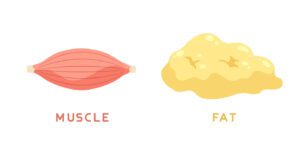
Body composition also matters. Muscle tissue is more metabolically active than fat tissue, meaning it requires somewhat more energy to maintain even at rest.
However, building muscle does not suddenly create an enormous increase in calorie burning. The metabolic effect is relatively modest. The greater benefits of muscle come from helping you become stronger, more capable and more physically active.
Age
As we get older, we may gradually lose muscle mass, particularly if we are inactive and do not regularly challenge our muscles.
This age-related loss of muscle is one reason strength training becomes increasingly important as we get older.
Rather than assuming that your metabolism simply “slows down” with age, it can be more useful to focus on the things you can influence: maintaining muscle, staying active, getting enough sleep and developing sustainable health habits.
How Does Muscle Mass Affect Metabolism?
Muscle requires energy to maintain, so having more lean muscle mass can contribute to a somewhat higher resting energy expenditure.
But the relationship between muscle and metabolism is often exaggerated.
You do not need to build large amounts of muscle to benefit from strength training, and strength training is valuable for far more than simply “burning more calories.”
Building and maintaining muscle can support:
everyday strength and independence
balance and stability
bone health
physical performance
confidence with movement
maintaining function as you age
the ability to continue doing activities you enjoy
For many people, especially women, there is still a fear that lifting weights will automatically make them bulky. In reality, significant increases in muscle size generally require consistent progressive training over time.
Strength training can be adapted to your goals. You can train to become stronger and more capable without needing bodybuilding to be your objective.
Strength Training as We Age
Maintaining muscle becomes particularly important as we get older.
Loss of muscle mass and strength with aging can affect balance, mobility, independence and how easily we perform everyday activities.
The good news is that our muscles can respond to resistance training throughout adulthood.
Strength training might include:
dumbbells or barbells
kettlebells
resistance bands
cable machines
bodyweight exercises
machines at the gym
functional exercises such as squats, carries, rows and step-ups
You do not need an elaborate workout program to begin. What matters most is choosing exercises appropriate for your current ability and gradually progressing as your strength improves.
Strength Training Is About More Than Metabolism
It is easy to approach strength training only through the lens of weight loss or calorie burning, but that misses many of its most important benefits.
Being strong can make daily life easier.
It can help you carry groceries, climb stairs, get up from the floor, hike, play with your children or grandchildren, participate in sports and continue doing the things you enjoy as you age.
Instead of asking only, “How many calories does this burn?” it can be useful to ask:
What do I want my body to be able to do?
That question can create a very different relationship with exercise.
Getting Started With Strength Training
If you are new to strength training, start with a manageable amount and focus on learning good movement patterns.
A balanced program might include movements such as:
squatting or sitting and standing
pushing
pulling
hinging at the hips
carrying
stepping or lunging
core and balance exercises
Gradually increase the challenge as your strength and confidence improve.
Strength training is one of the most useful forms of exercise for building a strong, capable body. It can include dumbbells, kettlebells, barbells, resistance bands, machines or bodyweight exercises. You do not need to train like a bodybuilder to benefit. A well-designed strength routine can support everyday movement, healthy aging, confidence and overall fitness.
1. Builds and Maintains Muscle
Strength training helps you build and preserve muscle mass. This becomes especially important as we age, because muscle and strength can gradually decline if we are inactive. Maintaining muscle can help you stay independent, active and capable in daily life.
Muscle tissue uses more energy at rest than fat tissue, although the difference is often exaggerated. Strength training may contribute to a modest increase in resting energy expenditure, but its bigger value is helping you maintain muscle, stay active and improve overall physical capacity.
3. Supports Bone Health
Resistance training places controlled stress on bones, which can help support bone strength over time. This is especially important as we get older and maintaining bone density becomes more of a priority.
Exercises such as squats, carries, presses, rows and step-ups can all be part of a bone-supportive strength program when they are appropriate for your body and experience.
4. Improves Everyday Strength
Strength training can make daily activities easier. Carrying groceries, climbing stairs, lifting objects, getting up from a chair or floor, gardening and hiking all require strength.
The goal is not simply to lift heavier weights in the gym. It is to build strength that helps you feel more capable in everyday life.
5. Supports Balance and Stability
Stronger muscles around the hips, legs and core can support balance and stability. Single-leg exercises, step-ups, carries and controlled strength movements can also challenge coordination and body awareness.
Muscles use glucose for energy, and regular resistance training can support healthy blood sugar regulation. Strength training is often included as part of a broader active lifestyle for people who want to support metabolic health.
Exercise is only one piece of the picture, and anyone managing a medical condition should follow guidance from an appropriate healthcare professional.
7. Can Support Cardiovascular Health
Strength training is not a replacement for cardiovascular exercise, but it can still contribute to overall heart health. A balanced fitness routine can include both resistance training and activities such as walking, cycling, swimming or other aerobic exercise.
You do not have to choose between strength and cardio. Both can have an important place in a well-rounded program.
8. Can Improve Confidence and Mood
Becoming stronger can feel empowering. Learning new exercises, noticing progress and discovering what your body can do may help build confidence and improve your relationship with movement.
Regular exercise can also support mood and stress management, although it should not be treated as a replacement for mental-health care when someone needs additional support.
9. Supports Posture and Movement
Strength training can help you develop better control through your trunk, shoulders, hips and legs. Rather than trying to force yourself into a “perfect posture,” the goal is to build enough strength and mobility to move comfortably through a variety of positions.
One of the biggest reasons I value strength training is what it can help us continue doing later in life. Strength supports mobility, independence and the ability to participate in the activities we enjoy.
It might mean continuing to hike, travel, play with children or grandchildren, work in your garden, dance, carry your own bags or simply get up from the floor with confidence.
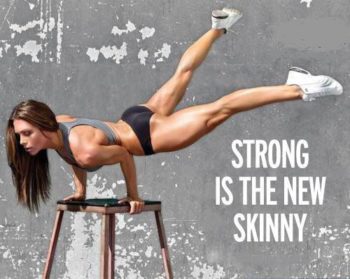
Strength training is not about chasing a certain body type. It is about building a body that supports the life you want to live.
How Much Strength Training Do You Need?
You do not need to strength train every day. For many people, two or three well-planned sessions per week can be a realistic starting point. The right amount depends on your goals, experience, recovery and the rest of your activity.
A balanced program usually includes movements such as squatting, hinging, pushing, pulling, carrying and single-leg work. Start with a level you can manage well and gradually increase the challenge as you become stronger.
Getting Started
If strength training feels intimidating, begin with simple exercises and focus on consistency rather than doing everything at once. Bodyweight exercises, machines, resistance bands and free weights can all work well.
Strength training can support muscle, bone health, balance, everyday function, confidence and healthy aging. You do not need to lift the heaviest weights in the gym or follow an extreme program to benefit.
Start where you are, progress gradually and focus on becoming stronger and more capable over time.

 Metabolism is the collection of processes your body uses to convert food and stored energy into the energy needed to keep you alive and active.