
What to Eat Before and After a Workout for Energy and Recovery

What to Eat Before and After a Workout for Energy and Recovery

Pre-workout, post-workout

What you eat before and after exercise can affect how energized you feel, how well you perform and how comfortably you recover. You do not need a complicated nutrition plan, but timing, portion size and the type of workout can all make a difference.

The goal is not to follow rigid rules. It is to give your body enough fuel to train well and recover afterward.

Do You Need to Eat Before a Workout?

Not always.

Some people feel fine exercising before breakfast or several hours after a meal, especially for shorter or lower-intensity sessions. Others feel weak, light-headed or low in energy if they train without eating first.

The best choice depends on the length and intensity of your workout, when you last ate and how your body responds.

For longer, harder or higher-intensity training, having some carbohydrate beforehand can be especially helpful because carbohydrates are an important fuel source for exercise.

What to Eat Before a Workout

If you are eating within about one to three hours before training, choose something that is easy to digest and provides mostly carbohydrate with some protein.

Examples include:

  • banana with a small amount of peanut or almond butter
  • toast with nut butter
  • yogurt with berries
  • oatmeal with fruit
  • crackers with hummus
  • fruit and a small handful of nuts
  • a smoothie with fruit and yogurt or milk

If you are eating very close to your workout, a smaller, simpler snack may feel better than a large meal.

Meals that are very high in fat or fiber can take longer to digest and may feel uncomfortable during intense exercise, so timing matters.

What About Fasted Workouts?

Exercising on an empty stomach does not automatically lead to better fat loss, and eating beforehand does not automatically stop your body from using fat for energy.

For overall body-composition changes, your longer-term nutrition habits and total energy balance matter much more than whether one particular workout is fasted.

If you enjoy fasted exercise and feel good doing it, it can be fine for some sessions. If your performance suffers or you feel dizzy, weak or unusually fatigued, eating beforehand may work better for you.

Why Eating After a Workout Can Help

After exercise, your body begins recovering from the work you just did. Protein provides amino acids that support muscle repair and adaptation, while carbohydrates help replenish glycogen used during training.

You do not usually need to rush to eat within exactly 30 minutes.

For most recreational exercisers, having a balanced meal or snack within a few hours of training is generally sufficient, especially if you ate before your workout. If you trained for a long time, exercised very intensely or need to train again later the same day, eating sooner may be more useful.

What to Eat After a Workout

A good post-workout meal usually includes both protein and carbohydrate.

Examples include:

  • Greek yogurt with fruit and oats
  • eggs with toast and fruit
  • a smoothie with milk or yogurt, fruit and protein
  • rice or quinoa with tofu, chicken, fish or beans
  • a burrito or bowl with beans, rice, vegetables and salsa
  • cottage cheese with fruit
  • oatmeal with yogurt or protein and berries
  • a sandwich with a protein source and vegetables

You do not need special “fitness foods.” Regular meals can work perfectly well.

How Much Protein Do You Need?

Protein needs vary depending on body size, age, activity level and goals, but it can be helpful to include a meaningful source of protein at meals throughout the day rather than trying to consume all of it at once.

If you strength train regularly, getting enough total protein over the day matters more than chasing a perfect post-workout timing window.

For more on strength and muscle, read How Muscle Mass Affects Metabolism and Why Strength Training Matters.

Don’t Forget Hydration

Water matters too.

For most everyday workouts, water is enough. If you are exercising for a long time, sweating heavily or training in hot weather, you may also need more attention to fluids and electrolytes.

Thirst, urine colour, workout duration and weather can all help guide how much you need.

Keep It Simple

You do not need to time every gram of carbohydrate or protein perfectly.

A practical approach is:

  • eat regular balanced meals
  • have a light snack before exercise if you need energy
  • include protein and carbohydrate after training
  • drink enough fluids
  • pay attention to how your body feels

If you want broader support with nutrition, movement and realistic health habits, learn more about Health & Lifestyle Coaching. You may also find Food Journaling vs. Calorie Counting helpful if you are trying to understand your eating patterns without becoming overly restrictive.

Hydration and Exercise: Why Water Matters

Hydration and Exercise: Why Water Matters

Drinking water, benefits of water, dehydration, joint pain, digestion, nutrient absorption, immune system, sugary drinks, soft drinks, diuretics, minerals, disease prevention

Water is essential for life and plays a role in nearly every major body system. It helps regulate temperature, transport nutrients, support digestion, maintain blood volume and replace fluid lost through breathing, sweat and urine.

You do not need to force huge amounts of water or follow rigid rules, but staying reasonably hydrated can make a noticeable difference in how you feel, especially when you are active.

What Happens When You Are Dehydrated?

Even mild dehydration can affect how you feel and perform. You may notice thirst, dry mouth, headache, fatigue, dizziness, darker urine or reduced exercise performance.

Dehydration can also make exercise feel harder because your body has to work more to regulate temperature and maintain circulation. The amount of fluid you need depends on factors such as body size, weather, activity level, pregnancy, medications and how much you sweat.

How Much Water Do You Need?

There is no single amount that is perfect for everyone.

A practical approach is to drink regularly throughout the day, pay attention to thirst and increase your fluid intake when you are exercising, sweating more or spending time in hot weather.

Urine colour can also be a rough guide. Pale yellow usually suggests you are reasonably hydrated, while consistently dark urine may mean you need more fluid. Some foods, supplements and medications can affect urine colour, so it is not a perfect test.

Water and Exercise

For most everyday workouts, water is usually enough.

If you are exercising for a long time, training in heat or sweating heavily, you may also need to replace electrolytes such as sodium. Sports drinks can be useful in those situations, especially during prolonged endurance exercise, but they are not necessary for every gym session.

For a typical strength workout, yoga class or shorter cardio session, plain water is often perfectly adequate.

You can also read What to Eat Before and After a Workout for Energy and Recovery for more on fueling exercise.

Do Coffee and Tea Dehydrate You?

Not necessarily.

Caffeine can have a mild diuretic effect, especially in people who are not used to it, but coffee and tea still contribute to your overall fluid intake. You do not need to “cancel out” every cup of coffee with extra water.

Alcohol is different because it can increase urine production and contribute to dehydration, especially in larger amounts.

What About Sugary Drinks?

Sugary drinks can still provide fluid, so it is not accurate to say they do not hydrate you.

The bigger issue is that drinks such as pop, sweetened coffee beverages and some juices can contain a lot of added sugar and calories without being very filling.

Water is a simple everyday choice because it hydrates without adding sugar or energy, but other beverages can still fit into a balanced lifestyle.

Can Drinking Water Help With Weight Management?

Drinking water is not a fat-burning trick.

However, replacing high-calorie sugary drinks with water can reduce overall calorie intake, and having water with meals may help some people feel more satisfied.

Hydration can support energy and exercise performance, but it does not directly “melt fat” or dramatically increase metabolism.

Hydration and Digestion

Water helps support normal digestion and bowel function. If you increase your fiber intake, getting enough fluid can also help keep stools softer and easier to pass.

That said, dehydration is not the cause of every digestive problem, joint issue or chronic disease. Persistent symptoms deserve proper medical assessment rather than simply assuming more water will fix them.

Hydration and Joint Health

Water is important for overall tissue function, but the idea that drinking more water directly lubricates joints enough to prevent arthritis or injury is too simplistic.

Joint health depends on many factors, including age, activity, strength, previous injury, genetics and medical conditions.

Staying hydrated is still useful, but it is one piece of a much larger picture.

Should You Drink Before You Feel Thirsty?

Thirst is a useful signal, but during exercise, heat or long periods of activity, it can help to drink proactively instead of waiting until you feel very thirsty.

You do not need to overdo it. Drinking excessive amounts of water can also be dangerous because it can dilute sodium levels in the blood.

The goal is balance.

A Simple Hydration Routine

A practical routine might include drinking water with meals, carrying a water bottle if that helps you remember, having some fluid before exercise and drinking during or after activity according to thirst and sweat loss.

You can also get fluid from foods such as fruit, vegetables, soups, yogurt and smoothies.

If you want support building realistic habits around hydration, nutrition and movement, learn more about Health & Lifestyle Coaching.

Keep Hydration Simple

You do not need special detox water, rigid gallon-a-day rules or fear around coffee and tea.

Drink regularly, pay attention to thirst, increase fluids when activity or heat demands it, and use electrolytes when they are actually useful.

Hydration matters, but it is one part of a bigger picture that also includes food, movement, sleep and recovery.

How to Check Your Posture: A Simple Guide to Better Alignment

How to Check Your Posture: A Simple Guide to Better Alignment

Posture check, perfect posture, bone stacking, spine health, muscular foundation, body alignment, weight distribution, knee alignment, pelvis position, neutral spine, upper chest opening, head placement

Posture is not about holding yourself in one “perfect” position all day. Your body is designed to move, and healthy posture is more about having options, changing positions regularly and using enough strength and mobility to feel comfortable in different positions.

That said, a simple posture check can help you notice where you tend to hold tension, how your weight is distributed and whether certain areas are doing more work than they need to.

Start From the Ground Up

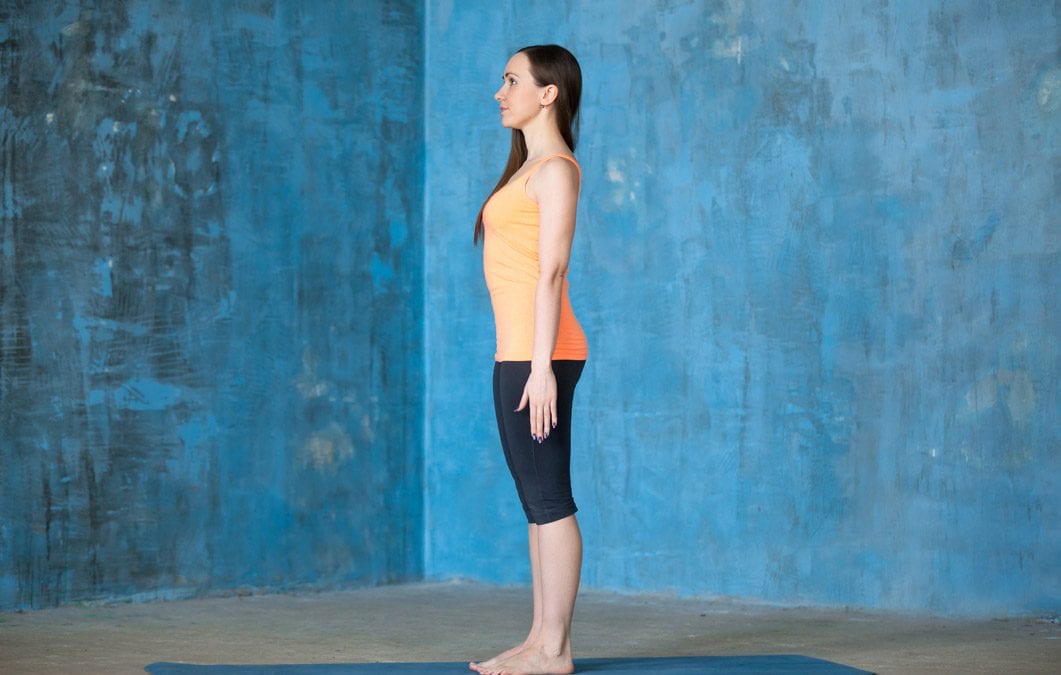
Stand with your feet about hip-width apart and notice how your weight is distributed. Try to feel contact through three points of each foot: the base of the big toe, the base of the little toe and the heel.

You can gently shift your weight forward, backward and side to side, then come back to a place that feels balanced. The goal is not to freeze yourself into position; it is to notice where your body feels most supported.

Check Your Knees

Notice whether your knees are locked or whether you can keep them comfortably relaxed. You do not need to force a bend, but avoiding unnecessary tension can make standing feel more natural.

As you squat, walk or move, allow your knees to track in a direction that feels comfortable and coordinated with your feet rather than trying to hold them in one rigid “perfect” line.

Find a Comfortable Pelvis Position

Your pelvis does not need to be permanently tucked or held in one exact neutral position. Instead, gently explore tipping the pelvis forward and backward, then settle somewhere in the middle that feels comfortable.

Notice whether you are gripping your glutes, bracing your abdomen excessively or pushing your ribs forward. Let your breathing stay relaxed and allow your rib cage to expand in different directions.

Let Your Rib Cage and Shoulders Relax

Rather than constantly pulling your shoulders “back and down,” allow them to rest naturally.

You can roll the shoulders forward, up, back and down a few times to explore the available movement, then let them settle. A comfortable posture should not feel like you are holding a military stance.

Strength through the upper back, shoulders and trunk can support posture without requiring constant tension.

If you want to build more strength in this area, you can also read Strengthening Your Back to Support Better Posture and Reduce Back Pain.

Posture check, perfect posture, bone stacking, spine health, muscular foundation, body alignment, weight distribution, knee alignment, pelvis position, neutral spine, upper chest opening, head placement

Check Your Head and Neck

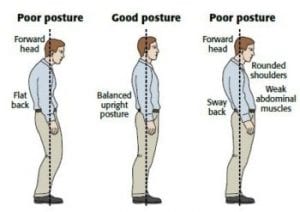
Many of us spend a lot of time looking down at phones or screens, so it is common to notice the head drifting forward.

Instead of forcing your chin hard backward, think about gently lengthening through the back of your neck and bringing your head into a position that feels more balanced over your shoulders.

Small adjustments are usually enough. If you feel tension increasing, back off.

Posture Is Dynamic

One of the most important things to remember is that there is no single posture you need to maintain all day.

Even a “good” posture can become uncomfortable if you stay in it for too long. Changing positions, standing up, walking, stretching, strengthening and moving in different directions are often more useful than constantly trying to hold yourself perfectly.

A practical posture check might simply ask:

  • Am I comfortable?
  • Am I holding unnecessary tension?
  • Am I breathing normally?
  • Have I been in this position too long?
  • Would changing position or moving help?

Strength and Mobility Matter

Posture is influenced by many things, including habits, work setup, strength, mobility, fatigue, pain and even mood.

Exercises such as rows, carries, squats, deadlift variations, mobility work and core training can all help you become more comfortable and adaptable in different positions.

For more ideas, you may also like Spine Undulation: A Gentle Way to Explore Spinal Mobility and Body Awareness or Yoga & Mobility Classes in Nanaimo.

If you would like personalized help with strength, mobility and movement habits, learn more about Personal Training in Nanaimo.

Focus on Comfort, Not Perfection

A useful posture is one you can move in and out of comfortably.

Rather than trying to create one ideal alignment, focus on building strength, mobility and awareness so your body can adapt to different positions throughout the day.