
Helping a Child Recover After a Broken Leg: A Parent’s Perspective

Helping a Child Recover After a Broken Leg: A Parent’s Perspective

Broken leg, healing process, crutches, encouraging mindset, children’s health, helping child recovery, after injury

Watching your child recover from a serious injury can be stressful, especially when they are afraid to move or unsure how much discomfort is normal. When my oldest son, Elohw, broke his tibia shortly after his sixth birthday, his leg was placed in a full cast from mid-thigh to toe for six weeks.

We followed the medical advice we were given at the time, including keeping weight off the leg while it healed. When the cast finally came off, we were excited, but we quickly realized that recovery was only beginning.

The First Stage After the Cast Came Off

After six weeks of immobilization, his leg was stiff, weak and unfamiliar to him. He was also nervous about pain and reluctant to put weight through it.

That fear was one of the biggest challenges. Children respond very differently to injury. Some want to start moving immediately, while others become cautious and need much more reassurance.

We were advised to gradually begin moving the ankle and knee again and, once medically cleared, to slowly reintroduce weight-bearing.

Regaining Mobility

Simple movements became the starting point.

We worked on gently pointing and flexing the foot and bending and straightening the knee. The goal was not to force range of motion, but to help the joints begin moving again after being immobilized.

Looking back, one thing I would emphasize more strongly is that exercises after a fracture should follow the guidance of the child’s physician, physiotherapist or other qualified healthcare professional. The timing of weight-bearing and movement depends on the type and location of the fracture and how well it is healing.

Using Crutches and Learning to Walk Again

Crutches can help a child gradually return to walking, but they need to be fitted and used appropriately.

A physiotherapist showed us a more natural walking pattern with crutches and helped us understand how to progress safely. That professional guidance was reassuring because it gave us a clearer idea of what movement was appropriate and how much assistance Elohw needed.

As he became more confident, he gradually relied less on the crutches.

Pain, Fear and Confidence

One of the hardest parts of recovery was helping my son understand the difference between discomfort from using a stiff, weak leg again and pain that meant he should stop.

That is not something I would recommend parents decide alone. Pain after a fracture should always be interpreted within the instructions given by the child’s healthcare team.

What I could help with was the emotional side: staying calm, encouraging him, celebrating small improvements and helping him feel less afraid of movement.

Instead of pushing for a perfect recovery timeline, we focused on small wins: standing, taking a few steps, moving the ankle a little more and becoming more willing to try.

What I Learned as a Parent

My own history of recovering from a serious leg fracture made me especially aware of how easily we can compensate when movement hurts or feels unfamiliar. But a child’s recovery is different from an adult’s, and every fracture is different too.

The experience taught me that parents can play an important role in encouragement and consistency, while medical professionals guide the actual rehabilitation plan.

It also reminded me that confidence can take longer to return than the bone itself takes to heal.

Practical Ways Parents Can Support Recovery

If your child is recovering from a broken leg, a few things may help:

  • follow the weight-bearing and activity instructions from the orthopedic or medical team
  • ask whether physiotherapy is recommended
  • make sure crutches or mobility aids are fitted correctly
  • encourage movement without forcing it
  • celebrate small improvements
  • watch for increasing pain, swelling or other concerning symptoms
  • help your child stay involved in safe activities while they recover
  • be patient with fear and frustration

If something does not seem right, or if progress stalls, contact the healthcare professional overseeing the recovery.

Recovery Is a Process

Healing from a broken leg is not just about the fracture closing. Strength, mobility, balance, confidence and normal movement patterns all need time to return.

Every child will progress differently.

For us, the biggest lesson was to combine patience, encouragement and professional guidance rather than trying to rush the process.
Positive Body Image: Learning to Value Your Body Beyond Appearance

Positive Body Image: Learning to Value Your Body Beyond Appearance

Embrace yourself, body positivity, positive body image, self-acceptance, body diversity

Body image can have a powerful influence on how we feel about ourselves. In a culture that constantly promotes narrow ideas about what bodies should look like, it can be easy to believe that happiness, confidence or worth will come once we lose weight, change shape or finally look “good enough.”

One of the ideas that has stayed with me from the documentary Embrace is that our bodies deserve to be valued for much more than appearance. For me, that means shifting the focus toward strength, health, movement, experience and what our bodies allow us to do.

When Weight and Health Are Not the Same Thing

Working in health and fitness has shown me how often people assume that a smaller body automatically means a healthier or happier person. My own life taught me otherwise.

When I was 19, I was seriously injured in a car accident and lost weight while recovering. People commented on how good I looked even though I was physically weaker and recovering from significant injuries. Later, I witnessed someone going through cancer treatment receive similar compliments about weight loss while she was dealing with serious illness.

Those experiences reinforced something important for me: a person’s weight does not tell us the whole story about their health, strength or well-being.

Fitness Does Not Have to Be About Fixing Your Body

Exercise can easily become another way to criticize ourselves: burn more calories, shrink this body part, get rid of that one, or earn the food we eat.

I prefer a different question:

What do I want my body to be able to do?

Maybe you want to feel stronger, hike farther, dance, lift your children, improve your balance, move with less fear, learn a new skill or simply have more energy for your life. Those goals can create a much more supportive relationship with movement.

You may also enjoy Body Composition 101: Why Muscle Matters More Than the Number on the Scale if you want another perspective on measuring fitness progress beyond body weight.

Body Acceptance Does Not Mean Giving Up on Goals

Accepting your body today does not mean you cannot want to become stronger, improve your health or change certain habits.

It simply means you do not have to hate yourself into changing.

You can care for your body because it matters to you rather than because you believe it is unacceptable as it is. Goals built from self-respect often feel very different from goals built from shame.

Questions to Explore

If you notice yourself being very critical of your body, try becoming curious about the voice behind that criticism.

You might ask yourself:

  • How could I speak to myself with more kindness?
  • What do I appreciate about what my body can do?
  • Which beliefs about beauty or body size have I absorbed from other people?
  • What kinds of movement genuinely make me feel good?
  • What would taking care of myself look like if punishment were not part of it?
  • What qualities do I value in myself that have nothing to do with appearance?
  • How would I treat my body differently if I believed it deserved care right now?

There is no need to force yourself to suddenly “love everything” about your body. Sometimes moving from criticism toward neutrality, respect or gratitude is already meaningful progress.

Body Diversity Is Normal

Human bodies naturally come in different shapes, sizes, proportions and abilities. Genetics, age, hormones, pregnancy, injury, illness, lifestyle and many other factors influence how a body looks and changes over time.

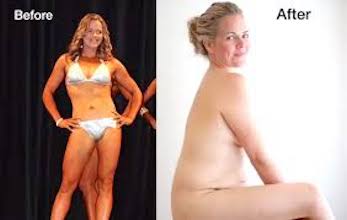
Fitness culture has not always done a good job of acknowledging that diversity. Before-and-after photos and messages about earning a certain body can make people feel as though fitness is only successful if it changes their appearance.

Strength, mobility, endurance, confidence, energy and enjoyment are also forms of progress.

Choose2be Strong, Healthy and Happy

The philosophy behind Choose2be has evolved over the years, but this idea remains important to me: health should support your life rather than become another standard you constantly fail to meet.

Movement can be challenging and still be enjoyable. You can become stronger without trying to punish your body. You can work toward goals while also appreciating where you are today.

If you would like support building strength and confidence through movement, learn more about Personal Training in Nanaimo. If your goals include broader habits around movement, nutrition and well-being, you can also explore Health & Lifestyle Coaching.

When Body Image Goes Deeper

Sometimes body-image struggles are connected to shame, perfectionism, relationships, past experiences or deeply held beliefs about worth. Fitness coaching can support movement and healthy habits, but deeper emotional work belongs in a counselling setting.

For that side of the conversation, you can read Building the Life You Want: Finding Pleasure, Satisfaction, and Meaning on Vancouver Island Holistic Counselling.

Your Body Is More Than Something to Look At

Your body carries you through your life. It adapts, learns, heals, changes and allows you to experience the world.

You do not have to wait until your body looks different before you begin treating it with respect. Becoming stronger and healthier can be meaningful goals, but so can learning to appreciate yourself along the way.

5 HIIT Workouts Under 20 Minutes

5 HIIT Workouts Under 20 Minutes

HIIT workouts, AMRAP, kettlebell, rowing machine, bodyweight exercises, tredmill sprint, HIIT kettlebell, HIIT bodyweight exercises, GIIT circuit

  1. High-Intensity Interval Training, or HIIT, is a time-efficient way to challenge your cardiovascular fitness and muscular endurance. HIIT usually alternates short periods of harder effort with easier recovery or rest, which makes it useful when you want a focused workout but do not have much time.

    HIIT can support fitness and conditioning, but it does not need to be done at an all-out intensity every time. The best workout is one you can perform with good control and recover from appropriately.

    1. AMRAP HIIT Workout

    AMRAP means “as many rounds as possible” within a set amount of time. The goal is not to rush with poor form, but to move steadily and complete as much quality work as you can.

    Circuit 1 — 10 minutes

    • Mountain climbers
    • Reverse lunges
    • Squat jumps or bodyweight squats
    • Plank jacks or step-out plank jacks
    • V-hold or dead bug variation

    Perform a manageable number of repetitions for each exercise, then continue cycling through the circuit for 10 minutes.

    Rest for 1–2 minutes.

    Circuit 2 — 10 minutes

    • Single-leg deadlifts
    • Bodyweight squats
    • Forearm plank
    • Y-T-I shoulder raises
    • Butt kickers

    Again, move at a pace that challenges you without sacrificing technique.

    2. Kettlebell HIIT Workout

    This workout combines strength and conditioning. Use a kettlebell weight that allows you to move with control, especially on swings and overhead movements.

    Complete 10–15 repetitions of each exercise, or use a timed interval such as 30 seconds of work followed by 20–30 seconds of rest.

    • Burpees or step-back burpees
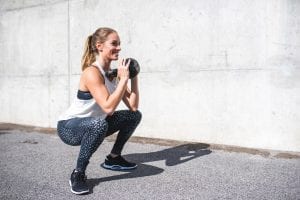
    • Kettlebell goblet squat
    • Kettlebell overhead press
    • Two-handed kettlebell swing
    • Lateral skater or Heisman steps

    Repeat for 3–4 rounds.

    If you are new to kettlebell swings, learn the hip hinge first before adding speed.

    3. Rowing Machine HIIT Workout

    A rowing machine can be a great way to combine cardiovascular training with full-body strength work.

    Circuit 1

    • Row 150 metres
    • Dumbbell shoulder press × 10–12
    • Row 150 metres
    • Push-ups for 20–30 seconds
    • Row 200 metres

    Rest as needed and repeat for 3 rounds.

    Circuit 2

    • Row 100 metres
    • Mountain climbers for 30 seconds
    • Romanian deadlift × 10–12
    • Bodyweight squats or squat jumps × 10–15
    • Burpees or step-back burpees × 5–10

    Repeat for 3 rounds.

    4. Tabata-Style Workout

    Traditional Tabata uses 20 seconds of work followed by 10 seconds of rest for eight rounds, which adds up to four minutes.

    You can use one exercise for all eight rounds or alternate between two movements. Examples include:

    • squats
    • mountain climbers
    • cycling
    • rowing
    • jumping jacks
    • push-ups
    • kettlebell swings

    You do not have to work at absolute maximum intensity. Choose a pace you can maintain safely through the full interval.

    5. Bodyweight HIIT Workout

    This workout requires no equipment and can be done at home.

    Perform each exercise for 30 seconds, followed by about 15 seconds of rest:

    • jumping jacks or step jacks
    • high knees or marching high knees
    • mountain climbers
    • push-ups
    • plank jacks or step-out planks

    Rest for 1 minute at the end of the circuit and repeat for 3–4 rounds.

    Warm Up First

    A short warm-up can help prepare your body for faster and more demanding movement. Spend about 5 minutes gradually increasing your intensity with movements such as marching, easy squats, arm circles, hip hinges, lunges or light cardio.

    You do not need to stretch extensively before HIIT. Dynamic movement that prepares you for the exercises you are about to do is usually more useful.

    How Often Should You Do HIIT?

    HIIT is demanding, so more is not always better. For many people, one or two HIIT sessions per week can be plenty, especially if you are also strength training, walking, hiking, cycling or doing other forms of exercise.

    Recovery matters. If every workout leaves you exhausted for several days, your intensity or volume may be too high.

    HIIT and Strength Training

    HIIT can improve conditioning, but it should not replace strength training if building or maintaining muscle is one of your goals. A balanced program can include both.

    You can read 10 Benefits of Strength Training or Bodyweight Training vs. Weight Training for more ideas on building a complete fitness routine.

    If you prefer working out with others, explore Group Fitness Classes in Nanaimo. If you want a program tailored to your goals and fitness level, learn more about Personal Training in Nanaimo.

    Keep HIIT Challenging, Not Punishing

    A good HIIT workout should feel challenging, but it does not need to leave you completely depleted. Modify jumping movements when needed, use longer rest periods if your form starts to break down, and choose exercises that suit your current fitness level.

    Consistency matters more than pushing to exhaustion.

Staying Lean and Healthy: Food, Protein, Movement and a Realistic Approach to Supplements

Staying Lean and Healthy: Food, Protein, Movement and a Realistic Approach to Supplements

Supplements, lean body, protein, vitamin D, omega 3, CLA, chia seeds, apple cider vinegar, hemp seeds, spirulina, royal jelly, bee pollen, supplement lean body

People have often asked me what I eat and which supplements I use to stay lean and active. Over the years, my answer has changed. I now think less in terms of finding the “perfect” diet or supplement stack and more in terms of building consistent habits around food, movement, strength, sleep and recovery.

Supplements can sometimes be useful, but they are not what creates a healthy body. Most of the foundation comes from regular meals, enough protein and fiber, a variety of foods, consistent exercise and habits you can realistically maintain.

Start With Food First

I try to build meals around foods that nourish me and keep me satisfied rather than thinking of food as “good” or “bad.” Protein has been especially helpful for me because it supports muscle and helps meals feel more filling.

Useful protein sources can include eggs, Greek yogurt, cottage cheese, tofu, tempeh, beans, lentils, fish, poultry, meat, protein powder, nuts and seeds. You do not need to follow a particular diet label to eat well.

I also enjoy foods like vegetables, fruit, whole grains, nuts, seeds and fermented foods. And I still eat foods simply because I enjoy them. A sustainable eating pattern needs room for both nourishment and pleasure.

You Do Not Need to Avoid Gluten, Sugar or Processed Foods Completely

There is no need to remove gluten unless you have a medical reason or notice that it does not agree with you. The same is true for sugar and processed foods.

Instead of trying to eliminate everything, I prefer to look at the overall pattern. If most meals include protein, produce, fiber and foods that keep you satisfied, there is room for treats and convenience foods too.

You can read Food Journaling vs. Calorie Counting if you want a practical way to notice your eating patterns without becoming overly restrictive.

Protein Supplements

Protein powder can be convenient if you struggle to get enough protein through meals or need something quick after exercise. Whey, soy, pea and other protein powders can all work depending on your preferences and tolerance.

A supplement is not automatically better because it is labelled “clean” or sweetened with a particular ingredient. Look for a product you tolerate well, enjoy and can realistically use.

For more on fueling exercise, read What to Eat Before and After a Workout for Energy and Recovery.

Vitamin D

Vitamin D can be useful for some people, particularly in places with limited winter sunlight, but the right amount depends on your diet, sun exposure, age and blood levels.

I would not recommend a blanket dose such as 3,000–4,000 IU every day for everyone. If you are unsure whether you need a supplement or how much to take, it is better to discuss it with a healthcare professional.

Omega-3

Omega-3 fats are found in foods such as fatty fish, walnuts, chia seeds and flaxseed. Some people also use fish-oil or algae-based supplements.

Whether you need a supplement depends on what you eat and your individual health needs. If you take medications or have a medical condition, it is worth checking with a healthcare professional before adding higher-dose supplements.

Chia and Hemp Seeds

Chia and hemp seeds are foods rather than essential “fat-loss supplements,” but they can be useful additions to meals. They provide fiber, fat, minerals and some protein.

I like adding them to smoothies, yogurt or oatmeal because they are easy ways to add texture and nutrition.

What About Apple Cider Vinegar?

Apple cider vinegar does not put your body into an alkaline state, and you do not need it to “detox” or stay lean.

If you enjoy it in salad dressing or diluted in food, that is fine. There is no need to drink it every morning for health or weight-management purposes.

Spirulina, CLA, Bee Pollen and Royal Jelly

These products are often marketed with impressive claims, but I would not consider them necessary for staying lean or healthy.

CLA supplements, spirulina, bee pollen and royal jelly do not replace a balanced diet or consistent training, and some supplements may cause side effects or interact with medications. Bee products can also trigger allergic reactions in some people.

If you are considering a supplement for a specific health reason, talk with a physician, pharmacist or registered dietitian rather than relying on marketing claims.

Multivitamins

A multivitamin may be useful in certain situations, but it is not automatically necessary for everyone.

People with restricted diets, nutrient deficiencies, pregnancy, absorption issues or other specific needs may benefit from supplementation. For many people, food can provide most of what they need.

Strength Training Matters More Than a Supplement Stack

If your goal is to stay strong and support body composition, resistance training is one of the most useful things you can do.

Maintaining muscle supports strength, mobility and healthy aging. It also helps you stay capable and active over time.

You can read How Muscle Mass Affects Metabolism and Why Strength Training Matters or 10 Benefits of Strength Training for more.

The Bigger Picture

There is no supplement that replaces consistent habits.

A realistic approach is to focus on regular movement, strength training, enough protein, plenty of variety in your diet, adequate sleep and stress management. Supplements can be useful when there is a specific need, but they should support the foundation rather than become the foundation.

If you want help building practical habits around food, movement and everyday health, learn more about Health & Lifestyle Coaching.

Nutrient-Dense Foods, Inflammation and Sustainable Energy

Nutrient-Dense Foods, Inflammation and Sustainable Energy

Nourishing, inflammation, nutrient-dense, nutrient dense food, nourishing body, decreasing inflammation

Food can influence how energized and satisfied you feel throughout the day, but nutrition does not need to revolve around “detoxing,” alkalizing your body or avoiding every processed food. A more useful approach is to focus on an overall eating pattern that includes a variety of nutrient-dense foods, enough protein and fiber, and foods you genuinely enjoy.

Inflammation is also more complicated than any single food being “inflammatory” or “anti-inflammatory.” Short-term inflammation is a normal part of healing and exercise. Chronic inflammation can be influenced by many factors, including overall diet, smoking, sleep, physical activity, stress, body composition and medical conditions.

What Are Nutrient-Dense Foods?

Nutrient-dense foods provide useful amounts of vitamins, minerals, protein, fiber or other nutrients relative to the amount of food you are eating. Examples include vegetables, fruit, beans, lentils, whole grains, nuts, seeds, eggs, fish, dairy or fortified alternatives, tofu and other minimally processed foods.

That does not mean every meal needs to be perfect. A sustainable eating pattern can include convenience foods and treats too. What matters most is what your overall diet looks like over time.

Energy: Nourishment vs. Quick Pick-Me-Ups

The original version of this article referred to “biological debt” and adrenal inflammation from caffeine and sugar. I would remove those ideas because they are not useful ways to describe normal human metabolism.

Caffeine can temporarily increase alertness, and sugary foods can provide quick energy, but neither automatically damages your adrenal glands. The bigger question is whether you are relying on coffee or sweets because you are consistently under-eating, sleeping poorly or going long periods without balanced meals.

For steadier energy, try building meals around a combination of protein, carbohydrate, fiber and fat. For example, yogurt with fruit and oats, eggs with whole-grain toast, beans with rice and vegetables, or a smoothie with fruit, milk or yogurt and a protein source can all provide more lasting nourishment than repeatedly reaching for quick energy alone.

What About Inflammation?

No single food can eliminate inflammation from the body. However, dietary patterns that regularly include vegetables, fruit, whole grains, legumes, nuts, seeds, fish and other nutrient-dense foods are generally associated with better overall health.

Instead of trying to identify one “inflammation-fighting” superfood, aim for variety. Different foods provide different nutrients and plant compounds, so eating many colours and types of plant foods can be a simple way to broaden your nutrition.

The Alkaline Diet Myth

You may have heard that certain foods make the body too acidic and that eating “alkaline foods” can correct this. Your body tightly regulates the pH of your blood through systems including your lungs and kidneys. Eating broccoli, bananas or spinach does not meaningfully change your blood pH.

Many foods labelled “alkaline-forming” are still excellent choices because they are fruits, vegetables, nuts and other nutrient-rich foods — not because they change the acidity of your body.

So by all means eat broccoli, zucchini, apples, cherries, carrots, cauliflower, bananas, spinach and other produce. Just eat them because they contribute fiber, vitamins, minerals and variety, not because they are “alkalizing” you.

Nutrition and Exercise Recovery

If you exercise regularly, adequate nutrition can support recovery. Protein helps repair and maintain muscle, while carbohydrates help replenish energy stores used during training. Fluids, sleep and overall calorie intake also matter.

You do not need expensive supplements or a highly restrictive diet to recover well. Regular meals that include protein, carbohydrate and produce can cover a lot of what most recreational exercisers need.

For more practical ideas, read What to Eat Before and After a Workout for Energy and Recovery.

Nutrition and Body Composition

If changing body composition is one of your goals, nutrient-dense foods can be helpful because foods higher in protein and fiber often support fullness and make it easier to build balanced meals. But weight and body composition are influenced by your overall energy intake, activity, genetics, sleep, medications, hormones and many other factors.

There is no need to eliminate entire food groups or chase a “perfect” diet. A more sustainable approach is to build habits you can repeat consistently.

You may also find Food Journaling vs. Calorie Counting helpful if you want to become more aware of your eating patterns without obsessing over numbers.

Focus on the Bigger Picture

Good nutrition is usually less dramatic than health trends make it sound. Eat a variety of foods, include protein regularly, choose fruits and vegetables often, stay hydrated and allow room for foods you enjoy.

If you want support creating realistic habits around nutrition, movement and everyday well-being, learn more about Health & Lifestyle Coaching.