How to Read Food Labels: Ingredients, Nutrition Facts and Portion Size

How to Read Food Labels: Ingredients, Nutrition Facts and Portion Size
Food labels, ingredients, analyzing, guide, guide nutrition

Food labels can be useful tools, but they can also be confusing. Packaging may highlight claims such as “high protein,” “low fat,” “natural” or “no added sugar,” while the full nutrition facts and ingredient list tell a more complete story.

You do not need to fear every unfamiliar ingredient or choose only foods with very short ingredient lists. A better approach is to understand what the label is showing you, look at the overall nutritional value of the food, and decide whether it fits your needs.

Start With the Serving Size

The serving size tells you what amount of food the nutrition information refers to. If you eat twice the listed serving, you will also get roughly twice the calories, protein, carbohydrate, fat and sodium shown on the label.

Serving sizes are not rules about how much you are “allowed” to eat. They are simply a reference point that helps you compare foods and understand the information on the package.

Look at the Nutrition Facts

A few things can be especially useful to notice:

  • protein
  • fiber
  • sodium
  • saturated fat
  • added sugars, when listed
  • vitamins and minerals
  • total calories, if that information is relevant to your goals

You do not need to choose foods based on only one number. A product can be high in sodium but also high in protein and useful in a particular meal, or higher in calories but still nutrient-dense and satisfying.

Context matters.

How to Read the Ingredient List

Ingredients are generally listed in descending order by weight, so the ingredients near the beginning are present in the greatest amounts.

Instead of assuming that fewer ingredients always means a healthier food, ask whether the ingredient list makes sense for the product. A loaf of bread, yogurt, soup or protein bar may naturally contain several ingredients and still be a perfectly reasonable choice.

The goal is not to avoid every additive. It is to understand what you are buying.

What About Additives and Preservatives?

The original version of this article listed many additives as if they were automatically dangerous. I would remove that approach.

Food additives approved for use in Canada are assessed for safety within permitted amounts. That does not mean every highly processed food should make up most of your diet, but it also does not mean ingredients such as colours, preservatives, natural flavours or artificial sweeteners are automatically harmful.

A more practical question is: How often am I eating this food, and what does my overall eating pattern look like?

If most of your diet includes a variety of foods such as vegetables, fruit, whole grains, legumes, protein-rich foods, nuts, seeds and other nutrient-dense options, there is room for packaged foods too.

Trans Fat

Trans fats are worth paying attention to because higher intake is associated with cardiovascular risk. In Canada, partially hydrogenated oils were banned as an ingredient in foods, which has significantly reduced industrial trans fat in the food supply.

You can still check labels, but this is not the same issue it was years ago.

Added Sugar

Food companies may use different forms of sugar, including cane sugar, glucose, dextrose, syrups, honey and others.

Rather than trying to identify and eliminate every type of sugar, look at how the food fits into the bigger picture. A product with some added sugar can still fit into a balanced diet, while a diet made up mostly of sweetened drinks, desserts and low-fiber snack foods may provide less overall nutrition.

Sodium

Sodium is another useful item to notice, especially if you eat many packaged or restaurant foods. You do not need to avoid salt completely, but being aware of sodium can help you compare similar products and make choices that fit your health needs.

Artificial Sweeteners

Artificial and non-sugar sweeteners are not automatically harmful. Some people find them useful for reducing added sugar, while others prefer not to use them because they dislike the taste or notice digestive discomfort.

You do not need to treat them as either “good” or “bad.” They are simply one option.

Portion Size Without Obsession

Portion awareness can be helpful, but it does not need to become rigid.

Simple visual references can be useful when you do not want to weigh or measure everything:

  • 1 cup is roughly the size of a fist
  • ½ cup is roughly a cupped hand
  • about 3 ounces of meat or fish is roughly the size of a palm
  • 1 tablespoon is roughly the size of a thumb
  • 1 teaspoon is roughly the tip of a thumb

These are approximate guides, not exact rules.

A Simple Way to Build a Balanced Plate

Instead of focusing only on restriction, try building meals around a few basics:

  • a source of protein
  • vegetables or fruit
  • a source of carbohydrate
  • some healthy fat
  • enough food to leave you satisfied

That could look like salmon, potatoes and vegetables; tofu with rice and stir-fried vegetables; yogurt with fruit and oats; or beans, avocado and whole-grain tortillas.

Focus on the Overall Pattern

Food labels can help you compare products, understand portions and notice nutrients, but no single ingredient determines whether your diet is healthy.

The bigger picture matters more: variety, enough protein and fiber, regular meals, fruits and vegetables, enjoyable foods, and habits you can maintain.

If you want support building realistic nutrition habits, learn more about Health & Lifestyle Coaching.

You may also find Food Journaling vs. Calorie Counting useful if you want to become more aware of your eating patterns without getting overly focused on numbers.


Mindfulness: A Simple Practice for Stress, Awareness and Well-Being

Mindfulness: A Simple Practice for Stress, Awareness and Well-Being

stress reduction, anxiety management, mindful eating, emotional well-being, self-awareness

Mindfulness is the practice of paying attention to what is happening in the present moment with curiosity rather than immediately judging or reacting to it. It can be practiced formally through meditation, yoga or breathwork, but it can also be woven into ordinary activities like walking, eating or simply noticing how your body feels.

Mindfulness is not about clearing your mind or never feeling stressed. It is more about learning to notice thoughts, emotions and sensations without getting pulled into every one of them.

How Mindfulness Can Help

Mindfulness may support stress management, emotional regulation, attention and self-awareness. For some people, it creates a little more space between what happens and how they respond.

It can also help you notice patterns that are easy to miss when you are moving quickly through the day, such as tension in your body, repetitive thoughts, emotional triggers or habits that happen automatically.

Mindfulness and Stress

Stress is a normal part of life, but when it builds up, it can affect sleep, mood, concentration and the way the body feels.

Mindfulness can help by bringing attention back to what is happening right now instead of constantly rehearsing the past or anticipating the future. Even a few minutes of intentional breathing or quiet observation can sometimes create a sense of steadiness.

Mindfulness is not a replacement for counselling or medical care when someone needs more support, but it can be one useful tool within a broader approach to well-being.

Mindfulness and Focus

Mindfulness practice involves repeatedly bringing attention back to one thing, such as the breath, body sensations or sounds.

That repeated practice can help strengthen your ability to notice when attention has wandered and gently return to the task in front of you.

You do not need perfect concentration. The act of noticing and returning is the practice.

Mindful Eating

Mindful eating means paying attention to the experience of eating rather than eating on autopilot.

You might notice hunger, fullness, taste, texture, pace and satisfaction. This can help you understand your eating patterns and make choices that feel more intentional.

It does not need to become another set of food rules. The goal is awareness, not perfection.

If you are interested in learning more about food awareness, read Food Journaling vs. Calorie Counting.

Mindfulness Through Movement

Mindfulness does not have to mean sitting still.

Yoga, walking, mobility work, dance and strength training can all become mindful practices when you pay attention to breathing, effort, sensation and movement quality.

That is one of the things I value about yoga: it gives you an opportunity to notice your body while you move rather than simply trying to complete an exercise.

You can explore Yoga & Mobility Classes in Nanaimo if you want to practice mindfulness through movement.

Simple Ways to Practice Mindfulness

You can start very small.

Try taking a few slow breaths and noticing where you feel the breath in your body. Pay attention to the sensation of your feet on the floor. Take a short walk without your phone and notice what you see, hear and feel. During a meal, slow down for a few bites and notice taste and fullness.

You do not need a long meditation practice to begin. A few minutes of deliberate attention can be enough.

Mindfulness and Emotional Well-Being

Mindfulness can help you notice difficult thoughts and feelings without immediately trying to suppress or fix them.

That does not mean you have to like what you feel. It means allowing yourself to recognize what is there and choosing how you want to respond.

For some people, this can support greater self-compassion and reduce the tendency to react automatically.

For a deeper counselling perspective on stress, awareness and the nervous system, you can read Breathwork, the Nervous System, and Epigenetic Trauma on Vancouver Island Holistic Counselling.

Make Mindfulness Practical

Mindfulness does not need to become another task you have to do perfectly.

Choose a practice that fits your life. It might be five minutes of breathing, a yoga class, a walk, a quiet cup of tea or simply pausing before reacting.

The goal is not to escape your life. It is to become a little more present inside it.

Sprouted Sunflower Seed Cookie Dough Balls

Sprouted Sunflower Seed Cookie Dough Balls

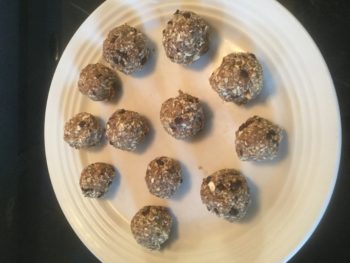
If you’re looking for an easy no-bake snack, these sunflower seed cookie dough balls are a fun option. They combine oats, dates, sunflower seeds, nut or seed butter, coconut oil and chocolate chips into a sweet, satisfying bite that you can keep in the freezer.

They are naturally dairy-free, and they can also be made gluten-free if you use certified gluten-free oats. The original version of this recipe made some very strong claims about soaking seeds and “detoxing” the body, so I would simplify that part and keep the focus on taste, texture and digestibility.

Why Soak Sunflower Seeds?

Soaking seeds softens them and can make them easier to blend and chew. It may also reduce some naturally occurring compounds such as phytic acid, although soaking is not necessary for everyone and it does not “detox” the body or prevent disease.

For this recipe, soaking is mainly useful because it changes the texture of the sunflower seeds and helps them blend more smoothly into the dough.

Ingredients

  • 1½ cups rolled oats
  • 5–6 dates
  • ½ cup soaked sunflower seeds
  • a few drops of stevia, optional
  • 2 tablespoons coconut oil
  • 2 tablespoons peanut butter, almond butter or another nut or seed butter
  • ¼ cup mini chocolate chips
  • 1 teaspoon vanilla extract
  • ½ to 1 teaspoon sea salt, depending on taste

Instructions

  1. Soak the sunflower seeds in water for about 8 hours or overnight, then drain and rinse them well.
  2. Add the rolled oats to a food processor and pulse until they form a coarse flour.
  3. Add the dates, soaked sunflower seeds, coconut oil, nut or seed butter, vanilla and salt. Blend until the mixture begins to hold together.
  4. Taste the mixture and add a small amount of stevia if you want extra sweetness.
  5. Add the mini chocolate chips and pulse only a few times so they stay mostly intact.
  6. Roll the mixture into small balls and place them on a parchment-lined plate or baking sheet.
  7. Freeze for about 30 to 60 minutes, or until firm.
  8. Store in an airtight container in the refrigerator or freezer.

Do You Need to Sprout the Seeds?

No. You can if you enjoy sprouting, but it is not necessary for this recipe.

If you do want to sprout the sunflower seeds, soak them first, drain and rinse them, then allow them to sit in a sprouting jar or similar container while rinsing regularly. Just be mindful of food safety, because warm, moist conditions can allow bacteria to grow.

For a simpler version, soaking overnight is enough.

Make Them Your Own

This recipe is easy to adapt. You can use peanut butter, almond butter, sunflower seed butter or another nut or seed butter. You can also add cinnamon, shredded coconut or a small amount of cocoa powder if you want a different flavour.

If the mixture feels too dry, add a small amount of nut butter or another date. If it feels too sticky, add a little more ground oats.

More Choose2be Recipes

If you like easy no-bake recipes, you may also enjoy Raw Nanaimo Bars, Easy No-Cook Granola Bars or No-Cook Peanut Butter Cake.

Energy balls - nutrition - Nanaimo - Nutrition Nanaimo - holistic Nutrition - weight loss - healthy food - snack kids - sprouted seed - gluten free - sugar free
What to Eat Before and After a Workout for Energy and Recovery

What to Eat Before and After a Workout for Energy and Recovery

Pre-workout, post-workout

What you eat before and after exercise can affect how energized you feel, how well you perform and how comfortably you recover. You do not need a complicated nutrition plan, but timing, portion size and the type of workout can all make a difference.

The goal is not to follow rigid rules. It is to give your body enough fuel to train well and recover afterward.

Do You Need to Eat Before a Workout?

Not always.

Some people feel fine exercising before breakfast or several hours after a meal, especially for shorter or lower-intensity sessions. Others feel weak, light-headed or low in energy if they train without eating first.

The best choice depends on the length and intensity of your workout, when you last ate and how your body responds.

For longer, harder or higher-intensity training, having some carbohydrate beforehand can be especially helpful because carbohydrates are an important fuel source for exercise.

What to Eat Before a Workout

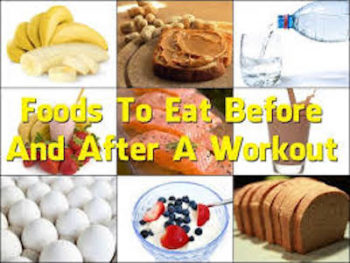
If you are eating within about one to three hours before training, choose something that is easy to digest and provides mostly carbohydrate with some protein.

Examples include:

  • banana with a small amount of peanut or almond butter
  • toast with nut butter
  • yogurt with berries
  • oatmeal with fruit
  • crackers with hummus
  • fruit and a small handful of nuts
  • a smoothie with fruit and yogurt or milk

If you are eating very close to your workout, a smaller, simpler snack may feel better than a large meal.

Meals that are very high in fat or fiber can take longer to digest and may feel uncomfortable during intense exercise, so timing matters.

What About Fasted Workouts?

Exercising on an empty stomach does not automatically lead to better fat loss, and eating beforehand does not automatically stop your body from using fat for energy.

For overall body-composition changes, your longer-term nutrition habits and total energy balance matter much more than whether one particular workout is fasted.

If you enjoy fasted exercise and feel good doing it, it can be fine for some sessions. If your performance suffers or you feel dizzy, weak or unusually fatigued, eating beforehand may work better for you.

Why Eating After a Workout Can Help

After exercise, your body begins recovering from the work you just did. Protein provides amino acids that support muscle repair and adaptation, while carbohydrates help replenish glycogen used during training.

You do not usually need to rush to eat within exactly 30 minutes.

For most recreational exercisers, having a balanced meal or snack within a few hours of training is generally sufficient, especially if you ate before your workout. If you trained for a long time, exercised very intensely or need to train again later the same day, eating sooner may be more useful.

What to Eat After a Workout

A good post-workout meal usually includes both protein and carbohydrate.

Examples include:

  • Greek yogurt with fruit and oats
  • eggs with toast and fruit
  • a smoothie with milk or yogurt, fruit and protein
  • rice or quinoa with tofu, chicken, fish or beans
  • a burrito or bowl with beans, rice, vegetables and salsa
  • cottage cheese with fruit
  • oatmeal with yogurt or protein and berries
  • a sandwich with a protein source and vegetables

You do not need special “fitness foods.” Regular meals can work perfectly well.

How Much Protein Do You Need?

Protein needs vary depending on body size, age, activity level and goals, but it can be helpful to include a meaningful source of protein at meals throughout the day rather than trying to consume all of it at once.

If you strength train regularly, getting enough total protein over the day matters more than chasing a perfect post-workout timing window.

For more on strength and muscle, read How Muscle Mass Affects Metabolism and Why Strength Training Matters.

Don’t Forget Hydration

Water matters too.

For most everyday workouts, water is enough. If you are exercising for a long time, sweating heavily or training in hot weather, you may also need more attention to fluids and electrolytes.

Thirst, urine colour, workout duration and weather can all help guide how much you need.

Keep It Simple

You do not need to time every gram of carbohydrate or protein perfectly.

A practical approach is:

  • eat regular balanced meals
  • have a light snack before exercise if you need energy
  • include protein and carbohydrate after training
  • drink enough fluids
  • pay attention to how your body feels

If you want broader support with nutrition, movement and realistic health habits, learn more about Health & Lifestyle Coaching. You may also find Food Journaling vs. Calorie Counting helpful if you are trying to understand your eating patterns without becoming overly restrictive.

Hydration and Exercise: Why Water Matters

Hydration and Exercise: Why Water Matters

Drinking water, benefits of water, dehydration, joint pain, digestion, nutrient absorption, immune system, sugary drinks, soft drinks, diuretics, minerals, disease prevention​

Water is essential for life and plays a role in nearly every major body system. It helps regulate temperature, transport nutrients, support digestion, maintain blood volume and replace fluid lost through breathing, sweat and urine.

You do not need to force huge amounts of water or follow rigid rules, but staying reasonably hydrated can make a noticeable difference in how you feel, especially when you are active.

What Happens When You Are Dehydrated?

Even mild dehydration can affect how you feel and perform. You may notice thirst, dry mouth, headache, fatigue, dizziness, darker urine or reduced exercise performance.

Dehydration can also make exercise feel harder because your body has to work more to regulate temperature and maintain circulation. The amount of fluid you need depends on factors such as body size, weather, activity level, pregnancy, medications and how much you sweat.

How Much Water Do You Need?

There is no single amount that is perfect for everyone.

A practical approach is to drink regularly throughout the day, pay attention to thirst and increase your fluid intake when you are exercising, sweating more or spending time in hot weather.

Urine colour can also be a rough guide. Pale yellow usually suggests you are reasonably hydrated, while consistently dark urine may mean you need more fluid. Some foods, supplements and medications can affect urine colour, so it is not a perfect test.

Water and Exercise

For most everyday workouts, water is usually enough.

If you are exercising for a long time, training in heat or sweating heavily, you may also need to replace electrolytes such as sodium. Sports drinks can be useful in those situations, especially during prolonged endurance exercise, but they are not necessary for every gym session.

For a typical strength workout, yoga class or shorter cardio session, plain water is often perfectly adequate.

You can also read What to Eat Before and After a Workout for Energy and Recovery for more on fueling exercise.

Do Coffee and Tea Dehydrate You?

Not necessarily.

Caffeine can have a mild diuretic effect, especially in people who are not used to it, but coffee and tea still contribute to your overall fluid intake. You do not need to “cancel out” every cup of coffee with extra water.

Alcohol is different because it can increase urine production and contribute to dehydration, especially in larger amounts.

What About Sugary Drinks?

Sugary drinks can still provide fluid, so it is not accurate to say they do not hydrate you.

The bigger issue is that drinks such as pop, sweetened coffee beverages and some juices can contain a lot of added sugar and calories without being very filling.

Water is a simple everyday choice because it hydrates without adding sugar or energy, but other beverages can still fit into a balanced lifestyle.

Can Drinking Water Help With Weight Management?

Drinking water is not a fat-burning trick.

However, replacing high-calorie sugary drinks with water can reduce overall calorie intake, and having water with meals may help some people feel more satisfied.

Hydration can support energy and exercise performance, but it does not directly “melt fat” or dramatically increase metabolism.

Hydration and Digestion

Water helps support normal digestion and bowel function. If you increase your fiber intake, getting enough fluid can also help keep stools softer and easier to pass.

That said, dehydration is not the cause of every digestive problem, joint issue or chronic disease. Persistent symptoms deserve proper medical assessment rather than simply assuming more water will fix them.

Hydration and Joint Health

Water is important for overall tissue function, but the idea that drinking more water directly lubricates joints enough to prevent arthritis or injury is too simplistic.

Joint health depends on many factors, including age, activity, strength, previous injury, genetics and medical conditions.

Staying hydrated is still useful, but it is one piece of a much larger picture.

Should You Drink Before You Feel Thirsty?

Thirst is a useful signal, but during exercise, heat or long periods of activity, it can help to drink proactively instead of waiting until you feel very thirsty.

You do not need to overdo it. Drinking excessive amounts of water can also be dangerous because it can dilute sodium levels in the blood.

The goal is balance.

A Simple Hydration Routine

A practical routine might include drinking water with meals, carrying a water bottle if that helps you remember, having some fluid before exercise and drinking during or after activity according to thirst and sweat loss.

You can also get fluid from foods such as fruit, vegetables, soups, yogurt and smoothies.

If you want support building realistic habits around hydration, nutrition and movement, learn more about Health & Lifestyle Coaching.

Keep Hydration Simple

You do not need special detox water, rigid gallon-a-day rules or fear around coffee and tea.

Drink regularly, pay attention to thirst, increase fluids when activity or heat demands it, and use electrolytes when they are actually useful.

Hydration matters, but it is one part of a bigger picture that also includes food, movement, sleep and recovery.