Goal Setting for Health and Fitness: How to Create Goals That Actually Help

Goal Setting for Health and Fitness: How to Create Goals That Actually Help
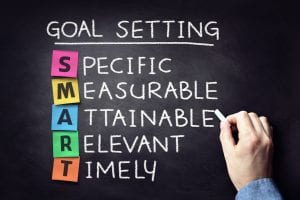
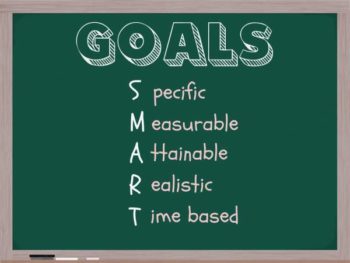
Goal setting SMART written on a black board with hand holding chalk

When it comes to improving your health and fitness, having clear goals can give you direction, help you notice progress and make it easier to stay consistent.

A good goal does not need to be extreme. In fact, some of the most useful goals are simple, realistic and connected to what you actually want your life to feel like.

In this article, we’ll look at why goal setting matters, how to use the SMART framework, and how to create health and fitness goals that are both meaningful and achievable.

Why Goal Setting Matters

Goals can help you focus your energy and make your intentions more concrete.

Without a clear goal, it is easy to jump from one idea to another or feel discouraged because you are not sure whether you are making progress.

A useful goal can help you:

  • identify what matters most to you
  • create a realistic plan
  • track progress over time
  • stay accountable
  • recognize small wins
  • adjust when something is not working

Goal setting can also support confidence. When you follow through on something you planned, even in a small way, it can reinforce the belief that you are capable of making meaningful changes.

Use the SMART Framework

SMART is a simple framework that can help turn a vague intention into a clearer goal.

S is for Specific

Your goal should be clear enough that you know what you are working toward.

Instead of:

“I want to get in shape.”

Try:

“I want to strength train twice a week for the next eight weeks.”

Specific goals are easier to plan around and easier to evaluate.

M is for Measurable

You should have some way to notice whether you are progressing.

That does not always mean using a scale or a number.

You might track:

  • how many workouts you complete
  • how much weight you can lift
  • how long you can walk or run
  • how many push-ups or squats you can do
  • how consistently you stretch
  • how confident you feel performing a movement

Choose a measure that actually relates to your goal.

A is for Action-Oriented

A goal is more useful when you know what actions will help you reach it.

For example, if your goal is to run a 5K, your action steps might include:

  • walking or running three times per week
  • gradually increasing your running intervals
  • doing strength training once or twice per week
  • scheduling your workouts in advance

Focus on the actions you can control.

R is for Realistic

A good goal should challenge you without requiring perfection.

Your goal needs to fit your current schedule, experience, health, responsibilities and available resources.

If a goal feels impossible to maintain, make it smaller.

For example, instead of deciding you will exercise six days per week when you are currently exercising once, you might start with two or three consistent sessions.

Progress does not have to happen all at once.

T is for Time-Based

Giving your goal a time frame can help create structure and give you a point to review your progress.

For example:

“For the next eight weeks, I will complete two strength workouts each week.”

At the end of the eight weeks, you can ask:

What worked?
What did not?
What changed?
What should I continue or adjust?

The deadline is not meant to create pressure. It gives you a natural point to reflect and reassess.

Goal Setting Worksheet

Use these questions to create a goal that works for your real life:

  1. What would I like to improve over the next one to three months?
  2. Why is this goal important to me?
  3. Which days of the week can I realistically exercise?
  4. How much time can I comfortably commit?
  5. What barriers might get in the way?
  6. What strategies could help me work around those barriers?
  7. What is one small action I can start this week?
  8. How will I know I am making progress?
  9. What support would make this easier?
  10. How do I want to feel as I work toward this goal?

You can also think about goals over different time frames:

  • short-term: 1 to 3 months
  • medium-term: 3 to 6 months
  • longer-term: 6 to 12 months

Your shorter goals can become stepping stones toward the bigger ones.

Health and Fitness Goal Ideas

Your goals do not have to focus on weight.

Some examples include:

  • get stronger
  • build a consistent exercise routine
  • improve mobility or flexibility
  • improve balance
  • walk or hike farther
  • run a 5K
  • learn a new movement skill
  • improve lifting technique
  • feel more confident in the gym
  • join a group fitness class
  • prepare for a recreational event
  • improve energy and daily movement
  • become more comfortable getting up and down from the floor
  • make movement a regular part of your lifestyle

Choose goals that feel meaningful to you, not simply goals you think you are supposed to have.

Focus on Progress, Not Perfection

Goals can be helpful, but they are not meant to become another way to judge yourself.

Life changes. Schedules change. Motivation changes.

If you miss a workout or your original plan stops working, that does not mean you failed. It simply means you have information you can use to adjust your plan.

Consistency usually comes from flexibility, not perfection.

If you want support creating realistic health and fitness goals, learn more about Personal Training in Nanaimo or Health & Lifestyle Coaching.

For a broader reflection on creating a life that feels meaningful and satisfying, you can also read Building the Life You Want: Finding Pleasure, Satisfaction, and Meaning on Vancouver Island Holistic Counselling.
 
Body Composition 101: Why Muscle Matters More Than the Number on the Scale

Body Composition 101: Why Muscle Matters More Than the Number on the Scale

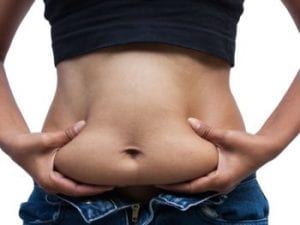
Muscle, fat, body composition, fat caliper​When people think about changing their body, the focus often goes straight to weight. But the number on the scale only tells part of the story.
Body composition looks more closely at what your body is made of, including muscle, fat, bone and other tissues. Two people can weigh the same and still have very different levels of strength, muscle mass and body fat.

That is why it can be more useful to pay attention to strength, function and body composition rather than relying only on body weight.

Muscle and Fat Are Different Tissues

One pound of muscle and one pound of fat weigh exactly the same: one pound.

The difference is that muscle is denser than fat, so it takes up less space.

That means your body shape and measurements can change even if your body weight stays similar. You may become stronger, gain muscle and lose some body fat without seeing a dramatic change on the scale.

This is one reason the scale can sometimes be frustrating or misleading when used by itself.

Why Muscle Matters

Muscle supports much more than appearance.

Maintaining and building muscle can help with:

  • everyday strength
  • mobility and balance
  • physical performance
  • healthy aging
  • bone health
  • confidence with movement
  • maintaining independence
  • supporting overall energy expenditure

Muscle tissue does use more energy at rest than fat tissue, but the difference is often exaggerated. Strength training is valuable for many reasons beyond “boosting metabolism.”

You can read more about this in How Muscle Mass Affects Metabolism and Why Strength Training Matters.

What Is Body Composition?

Body composition refers to the relative amounts of fat mass, lean mass, bone and other tissues in the body.

Body fat itself is not “bad.” We need body fat for energy storage, hormone production, insulation and other essential functions.

The goal should not be to eliminate body fat. A healthier focus is supporting an appropriate balance of muscle and fat for your individual body, health, lifestyle and goals.

Ways to Estimate Body Fat

There are several ways to estimate body composition. None of them are perfect, and some are much more precise than others.

Skinfold Calipers

Skinfold measurements estimate body fat by measuring the thickness of skin and subcutaneous fat at specific sites.

They can be useful for tracking changes over time when the same trained person uses the same technique consistently.

Bioelectrical Impedance Analysis

BIA devices send a very small electrical current through the body and use the result to estimate body composition.

Many home scales use this technology.

The numbers can vary depending on factors such as:

  • hydration
  • food intake
  • recent exercise
  • time of day

Because of that, it is usually better to look at trends over time rather than focusing on a single reading.

DEXA and Other Laboratory Methods

More advanced methods, such as DEXA scans or hydrostatic weighing, can provide more detailed estimates of body composition.

These methods may be more accurate, but they are usually more expensive and less practical for everyday fitness tracking.

You Do Not Have to Measure Body Fat

Body-fat percentage is only one possible way to track progress.

You can also pay attention to:

  • how much stronger you are becoming
  • how your clothes fit
  • changes in waist or other body measurements
  • improvements in endurance
  • mobility and balance
  • how consistently you exercise
  • how you feel during daily activities
  • progress with specific exercises or skills

For many people, these measures are more useful and motivating than repeatedly checking body-fat percentage.

Focus on Strength, Not Just Weight Loss

If your goal is to improve body composition, strength training is one of the most useful tools available.

A good strength program can include movements such as:

  • squats and sit-to-stands
  • rows
  • presses
  • deadlift or hip-hinge variations
  • lunges and step-ups
  • carries
  • core exercises

Cardiovascular exercise, walking, mobility work and recreational movement also contribute to overall health.

You do not need to choose between strength training and cardio. A balanced routine can include both.

Progress Is More Than a Number

A smaller number on the scale does not automatically mean someone is healthier, stronger or more capable.

Instead of focusing only on losing weight, consider asking:

Am I getting stronger?
Am I moving better?
Do I have more energy?
Am I building habits I can maintain?
Can I do things now that felt difficult before?

Those questions often give a much fuller picture of progress.

If you would like support building strength, improving body composition and creating a realistic exercise plan, learn more about Personal Training in Nanaimo.

You can also explore Health & Lifestyle Coaching if you want support with broader habits around movement, nutrition and everyday well-being.

Food Journaling vs. Calorie Counting: Which Approach Is More Helpful?

Food Journaling vs. Calorie Counting: Which Approach Is More Helpful?

Food journaling, calorie counting, weight loss, sustainable

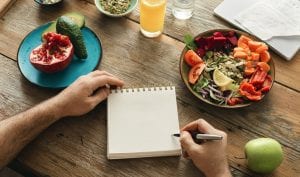
Food journaling and calorie counting can both help people become more aware of their eating habits, but they focus on different things. Calorie counting emphasizes the amount of energy you consume, while food journaling can also include patterns such as hunger, fullness, mood, timing, food choices and how meals make you feel.

Neither method is automatically better for everyone. The most useful approach is the one that helps you learn about your habits without becoming overly restrictive or stressful.

What Is Food Journaling?

Food journaling means writing down what you eat and drink, but it can include much more than that. You might also notice when you ate, how hungry you were, how full you felt afterward, what was happening emotionally and whether the meal felt satisfying.

The goal does not have to be perfect tracking. It can simply be a way to become more curious about your patterns. Over time, you may notice that you skip meals and become extremely hungry later, snack when you are stressed, eat very differently on weekends, or feel better when your meals contain more protein or fiber.

What Is Calorie Counting?

Calorie counting involves estimating how much energy you consume through food and drinks. It can be useful for some people because energy intake does matter when body weight is changing, but calorie counts are still estimates rather than perfectly precise numbers.

The calories listed on packages, apps and restaurant menus may vary from what you actually consume, and your own energy needs can also change depending on your body size, activity, age and other factors. Calorie counting can provide information, but it does not tell you everything about food quality, hunger, satisfaction or your relationship with eating.

Why I Often Prefer Food Journaling

For many people, food journaling gives a broader picture than simply recording calories. Instead of asking only, “How many calories did I eat?” you can begin asking questions such as: Was I actually hungry? Did this meal keep me satisfied? Did I eat enough earlier in the day? Am I getting enough protein, vegetables or fiber? What happens to my eating habits when I am tired or stressed?

This kind of awareness can help you make practical changes without turning every meal into a mathematical exercise.

Food Quality Still Matters

Calories are a measurement of energy, but foods with the same calorie content can offer very different amounts of protein, fiber, vitamins, minerals and fullness. For example, fruit, vegetables, beans, whole grains, eggs, yogurt, nuts, fish and other nutrient-dense foods can contribute different things to your overall diet than foods that provide mostly energy with little protein or fiber.

That does not mean you need to label foods as “good” or “bad.” A sustainable eating pattern can include nutritious everyday foods along with treats and convenience foods you enjoy.

When Calorie Counting Can Be Useful

Calorie tracking may still be helpful for some people, especially for a short period of time when they want to better understand portion sizes or how much they are eating. It can provide information that is difficult to estimate by intuition alone.

However, it does not need to become permanent. If counting calories makes eating feel obsessive, stressful or overly restrictive, another approach may be more appropriate.

How to Start a Simple Food Journal

You do not need a complicated app or a food scale to begin. For a week or two, you can simply record your meals and notice a few patterns. You might write down what you ate, roughly how much, your hunger before eating, your fullness afterward, your mood or stress level, and anything else that seems relevant.

You can also ask yourself at the end of the day: Did I eat regularly? Did my meals keep me satisfied? Did I include protein and produce? Was I eating because I was hungry, or because I was bored, stressed or exhausted? What worked well today?

The goal is information, not judgment.

Focus on Sustainable Habits

Whether you use food journaling, calorie counting or neither, sustainable health habits matter more than perfect tracking. Regular meals, enough protein and fiber, fruits and vegetables, enjoyable foods, adequate sleep and consistent movement can all contribute to your overall well-being.

If your goal involves body composition, remember that nutrition is only one part of the picture. Strength training and everyday movement also matter. You can read Belly Fat: Common Mistakes That Can Get in the Way of Progress for a broader look at body-composition habits.

If you would like support exploring your eating patterns, movement habits and realistic lifestyle changes, learn more about Health & Lifestyle Coaching. Food awareness and habit tracking can also be useful within the Eight Weeks to Health Coaching program.

More Nutrition Articles

If you would like to keep exploring nutrition and healthy habits, you can also read Juicing: Benefits, Limitations and How to Use It as Part of a Healthy Lifestyle, Easy No-Cook Granola Bars, Raw Nanaimo Bars, No-Cook Peanut Butter Cake, Mexican-Style Zucchini Lasagna and Cookie Dough Energy Balls.

  •  
The Sit-to-Rise Test: What It Can Tell You About Strength, Mobility and Healthy Aging

The Sit-to-Rise Test: What It Can Tell You About Strength, Mobility and Healthy Aging


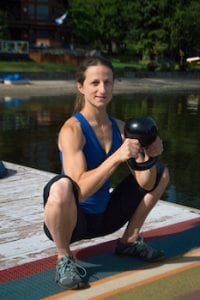
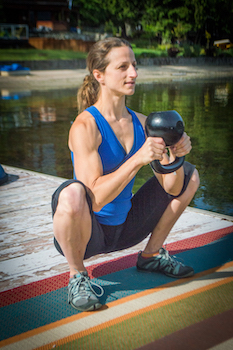
Veronique Rioux holding kettlebell in deep squat position

What Is the Sit-to-Rise Test?

Being able to get down to the floor and back up again is an important functional skill as we age. It requires a combination of strength, balance, mobility, coordination and confidence.

One simple assessment called the Sitting-Rising Test (SRT) looks at how easily a person can sit down on the floor and rise again using as little support as possible.

Research has found that lower SRT scores are associated with higher mortality risk in middle-aged and older adults. That does not mean the test can tell you exactly how long you will live. Instead, it gives us one useful snapshot of musculoskeletal fitness and functional ability.

Why Is the Sit-to-Rise Test Important?

Getting down to the floor and standing back up involves several physical qualities at once: leg and hip strength, balance, flexibility, coordination and body control.

These qualities also support many everyday activities and can become increasingly important as we age. Being confident moving to and from the floor can also be useful if you need to kneel, play with children, garden or recover after a fall.

What Research Tells Us About the Sit-to-Rise Test

How the Sitting-Rising Test Is Scored

The traditional Sitting-Rising Test gives up to five points for sitting down and five points for rising back up.

Points are deducted when additional support, such as a hand, forearm or knee, is needed.

A higher score generally reflects greater functional ability. Research has found an association between higher SRT scores and better survival outcomes, but the test should not be treated as a diagnosis or as a personal prediction of longevity.

How to Get Up Safely from the Ground

If getting up from the floor feels challenging, safety matters more than achieving a perfect test score.

  1. Roll onto your side.
  2. Move onto your hands and knees if comfortable.
  3. Bring one foot forward into a half-kneeling position.
  4. Use a sturdy chair, wall or other support if needed.
  5. Press through your legs and stand gradually.

As your strength and confidence improve, you can gradually practice using less assistance when it is safe to do so.

Exercises to Improve Strength, Mobility and Floor Transfers

1. Squats or Sit-to-Stands

Squats and sit-to-stands help build leg strength, coordination and confidence with everyday movements.

Start from a chair if needed. Sit down with control, then press through your feet to stand back up.

If squats bother your knees, you can also read Overcoming Knee Pain During Squats: A Comprehensive Guide.

2. Lunges

Lunges can help strengthen the legs and hips while challenging balance and coordination.

Step forward or backward into a comfortable lunge position, lower with control, and press through your feet to return to standing. Use support if needed.

3. Bridges

Bridges strengthen the glutes and posterior chain while helping you practice hip extension.

Lie on your back with your knees bent and feet on the floor. Press through your feet and lift your hips, then lower with control.

4. Wall Squats

Wall squats can help build endurance in the legs.

Place your back against a wall, slide down into a comfortable squat position and hold. You do not need to go deeply. Choose a position you can maintain with good control.

5. Balance Drills

Balance work can support stability, coordination and confidence.

Try standing on one leg while keeping a wall or sturdy chair nearby for support. Start with a few seconds and gradually build from there.

You can read more in The Importance of Balance as We Age: A Comprehensive Guide to Staying Steady and Strong.

Movement and Well-Being

Regular physical activity can support both physical and mental well-being. Movement can help with mood, stress management, confidence and maintaining independence as we age.

The goal is not simply to achieve a perfect Sit-to-Rise score. It is to keep building the strength, mobility and confidence that help you continue doing the activities that matter to you.

Want to Improve Your Strength and Mobility?

If getting up from the floor feels difficult, or you simply want to stay strong and capable as you age, personalized training can help you work on strength, balance, mobility and functional movement at your own level.

Learn more about Personal Training in Nanaimo with Choose2be.

Keep Building Your Strength and Confidence

The ability to get down to the floor and rise again is a useful functional skill and one possible indicator of overall musculoskeletal fitness.

Rather than worrying about a particular score, use it as information: What feels easy? What feels difficult? Where could you become stronger or more confident?

Strength, mobility and balance can all be practiced and improved over time.

Chaturanga Dandasana: Alignment, Strength and Modifications for a Safer Practice

Chaturanga Dandasana: Alignment, Strength and Modifications for a Safer Practice

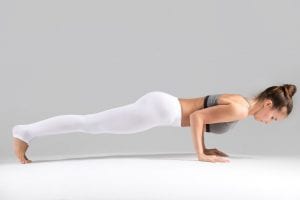
Chaturaga dandasana, four limbed staff pose, yoga alignment​Chaturanga Dandasana, often called Four-Limbed Staff Pose, is a common transition in Vinyasa and Ashtanga yoga.
It can be a useful pose for developing upper-body strength, core control and body awareness, but it also asks a lot from the shoulders, wrists and trunk. For that reason, good technique and appropriate modifications matter.

You do not need to force a deep Chaturanga to get the benefits. Building the strength and control gradually is often the better approach.

Benefits of Chaturanga Dandasana

Chaturanga can help develop strength through the:

  • shoulders
  • triceps
  • chest
  • core
  • wrists and forearms

It can also improve awareness of how your shoulders, ribs, pelvis and trunk work together during weight-bearing movements.

The goal is not to make the pose look a certain way. The goal is to create enough control that you can move through it without collapsing into the shoulders or lower back.

How to Set Up Chaturanga

Begin in Plank Pose.

Place your hands approximately under your shoulders with your fingers spread comfortably.

Press through your hands and create length through your body from the crown of your head toward your heels.

Engage your trunk so your ribs and pelvis feel supported rather than allowing your hips to sag toward the floor.

From plank, shift your body slightly forward so your shoulders move somewhat beyond your wrists.

Keep your elbows tracking back alongside your ribs as you begin to lower.

Lower only as far as you can while maintaining control through your shoulders and trunk.

You do not need to lower all the way to a perfect 90-degree elbow bend. Stopping higher is completely appropriate if that is where you can maintain good form.

What to Pay Attention to

A few useful cues include:

  • keep the chest broad rather than collapsing between the shoulders
  • keep the elbows tracking back rather than flaring widely
  • maintain control through the abdomen and pelvis
  • avoid letting the hips drop toward the floor
  • lower only as far as you can maintain strength and stability
  • keep your neck long and comfortable

Everyone’s anatomy is different, so the pose does not need to look identical from one person to another.

Chaturanga Modifications

Knees-Down Chaturanga

From plank, lower your knees to the floor.

Keep your trunk supported and shift slightly forward before bending your elbows.

Lower with control while keeping your elbows relatively close to your sides.

This is an excellent way to practice the movement pattern while reducing the amount of body weight you are supporting.

Practice Against a Wall

Stand facing a wall and place your hands against it around chest or shoulder height.

Step your feet back slightly.

Bend your elbows and bring your body toward the wall, then press yourself away again.

This version allows you to practice shoulder and elbow positioning with much less load.

Use Blocks

You can place yoga blocks underneath your shoulders or chest area as a physical reference point.

Lower only until you gently make contact with the blocks, then press back up.

This can help you practice controlling the depth of the movement.

Common Chaturanga Mistakes

Lowering Too Deeply

You do not need your shoulders to drop well below your elbows.

If you lose shoulder control as you lower, stop higher.

Strength and stability are more important than depth.

Letting the Hips Sag

If your pelvis drops toward the floor, the movement may become less controlled through your trunk.

Try a knees-down version or reduce the depth until you can maintain a more supported position.

Forcing the Elbows In

It is common to hear the cue “hug your elbows tightly into your ribs.”

Keeping the elbows relatively close to the body can be useful, but you do not need to squeeze them unnaturally against your sides.

Allow your elbows to track in a position that feels stable and comfortable for your shoulders.

Moving Too Quickly

In a fast Vinyasa class, it can be easy to move through Chaturanga repeatedly without much attention to technique.

Slowing down occasionally and practicing the movement separately can help you build better strength and awareness.

What If Your Wrists or Shoulders Hurt?

Chaturanga should feel challenging, but it should not create sharp or persistent pain.

If your wrists or shoulders hurt:

  • reduce the depth
  • try the knees-down version
  • practice against a wall
  • reduce how many Chaturangas you perform
  • substitute another transition when needed

If pain persists or you have an existing injury, consider getting individualized guidance from an appropriate healthcare or movement professional.

Build the Strength Gradually

You do not need to master Chaturanga immediately.

Exercises such as planks, incline push-ups, wall push-ups, controlled lowering drills and other upper-body strength exercises can help build the strength needed for the pose over time.

The strongest version of Chaturanga is not necessarily the lowest one. It is the version you can control.

If you enjoy combining yoga with mobility, strength and functional movement, you can learn more about Yoga & Mobility Classes in Nanaimo.

You can also explore Personal Training in Nanaimo if you would like more individualized support with strength, movement and technique.